Professional Hammer Types: Comprehensive Guide to Modern Construction Tools

All Categories

hammer types

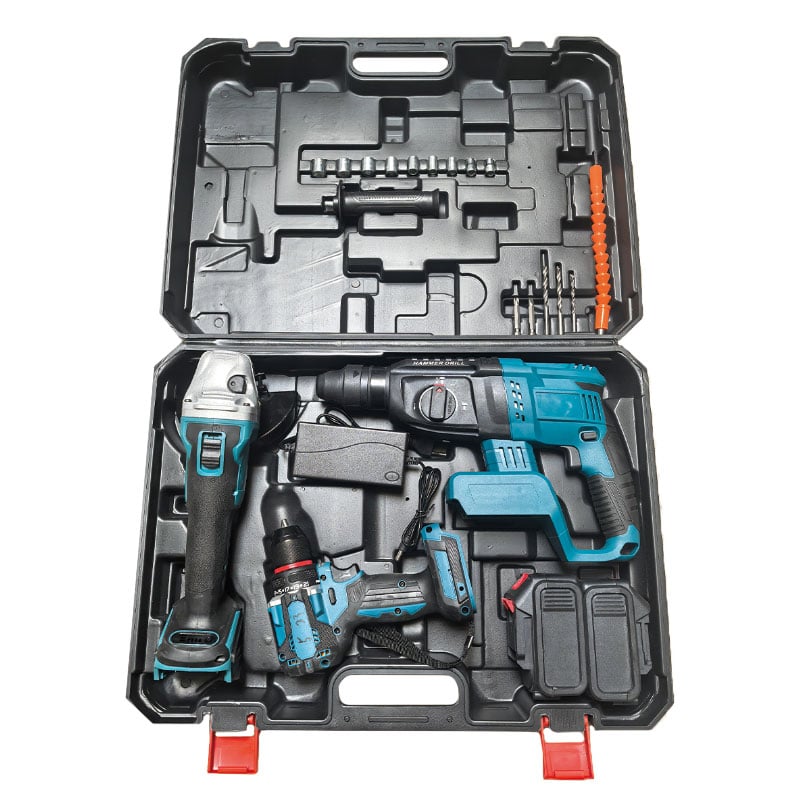
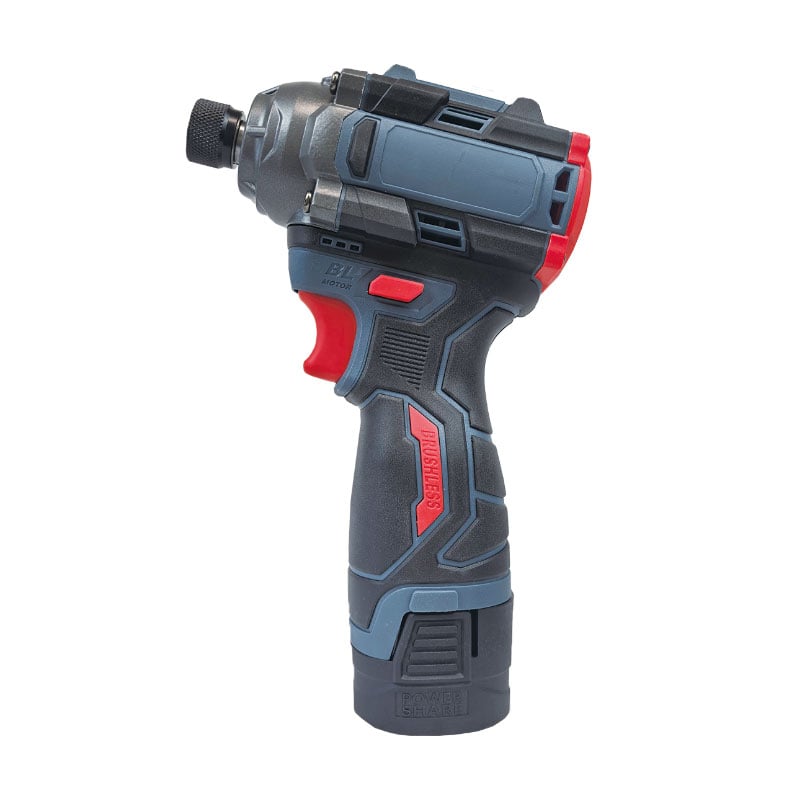
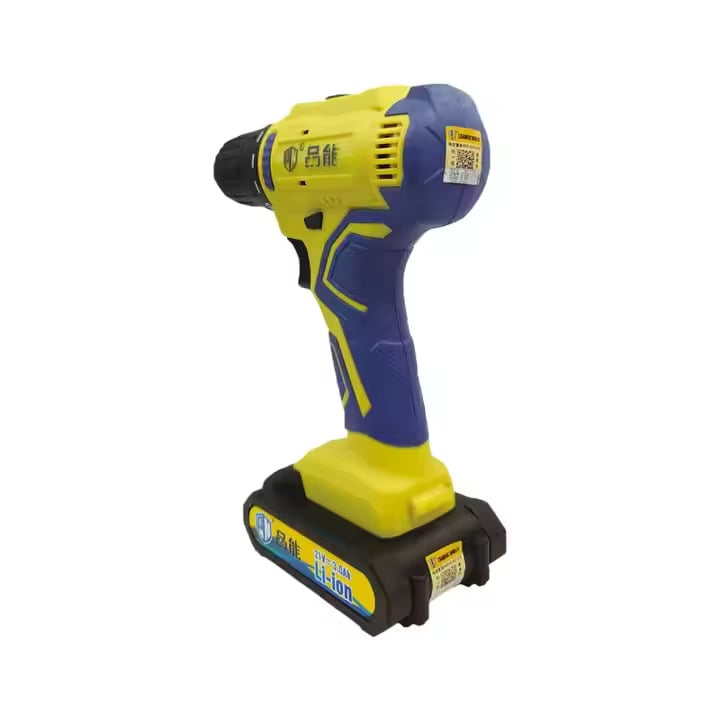
Hammer types represent a diverse array of essential tools that have evolved to meet specific construction, demolition, and crafting needs. From the classic claw hammer, ideal for general carpentry and nail work, to specialized varieties like ball-peen hammers for metalworking and sledgehammers for heavy-duty demolition, each type serves distinct purposes. Modern hammer designs incorporate ergonomic handles with vibration-reduction technology, ensuring comfortable extended use while minimizing user fatigue. Cross-peen and straight-peen hammers excel in precise metalworking tasks, while mallets, available in rubber, wooden, or plastic variations, provide gentle force for delicate assembly work. Dead blow hammers feature internal shot-filled heads that prevent rebound and marking on finished surfaces. The emergence of powered hammers, including pneumatic and electric varieties, has revolutionized construction efficiency, offering consistent force delivery for demanding applications. These tools range in weight from lightweight tack hammers for precise detail work to heavy-duty sledgehammers capable of breaking concrete. Materials used in contemporary hammer construction include high-carbon steel heads for durability and fiberglass or composite handles for optimal weight distribution and shock absorption.
New Product Recommendations

The diverse range of hammer types offers significant advantages across various applications. Each design provides specific benefits that enhance work efficiency and outcome quality. Ergonomic handles reduce user fatigue during extended use, while specialized head designs ensure optimal force delivery for specific tasks. Modern hammers feature advanced materials that significantly extend tool lifespan while reducing maintenance requirements. The incorporation of vibration-dampening technology minimizes the risk of repetitive stress injuries, making these tools safer for regular use. Weight distribution innovations allow for more precise control and reduced user strain, particularly in specialized applications like finish carpentry or metalworking. Anti-slip grip technologies ensure secure handling in various working conditions, enhancing both safety and precision. The development of multi-material heads combines durability with surface protection, particularly beneficial in finishing work. Split-head designs allow for interchangeable striking surfaces, providing versatility without requiring multiple tools. The integration of magnetic nail starters in many modern hammers improves work efficiency and safety by enabling one-handed nail positioning. Advanced coating technologies protect against corrosion while maintaining optimal striking surface characteristics. The availability of various weight options within each hammer type ensures users can select the most appropriate tool for their specific needs, maximizing both efficiency and comfort. These innovations collectively contribute to improved work quality, reduced physical strain, and enhanced productivity across all application areas.

Practical Tips

What are the common problems with wrenches and how to fix them?

23

Jun

What are the common problems with wrenches and how to fix them?

Common Wrench Problems: Slipping or Rounding Nuts Why Wrenches Slip and Damage Fasteners Slippage problems with wrenches happen all the time, mostly because people aren't using them correctly or have the wrong size for the job. If the wrench just w...
View More
What are the top features to look for in a cordless drill?

23

Jun

What are the top features to look for in a cordless drill?

Battery Technology and Power Lithium-Ion vs. Nickel-Cadmium (NiCd) When comparing battery tech, lithium-ion definitely beats nickel-cadmium (NiCd) in quite a few important ways. For starters, lithium-ion packs way more power into smaller, lighter p...
View More
What are the safety precautions for using a power drill?

23

Jun

What are the safety precautions for using a power drill?

Understanding Power Drill Components and Risks Key Parts of a Power Drill and Potential Hazards Power drills have multiple essential parts that work together for proper function. At the core sits the motor, which spins the chuck where drill bits at...
View More
What are the common problems with electric wrenchs and how to solve them?

23

Jun

What are the common problems with electric wrenchs and how to solve them?

Low Torque Output in Electric Wrenches: Causes and Solutions Signs of Corrosion and Rust Interference Corrosion and rusting are also two major factors that will put a big damper on an electric wrench's output torque. SymptomsIt's clear from a p...
View More

Get a Free Quote

Our representative will contact you soon.
Email
Name
Company Name
Message
0/1000

hammer types

Enhanced Ergonomic Design and Safety Features

Enhanced Ergonomic Design and Safety Features

Modern hammer types incorporate cutting-edge ergonomic design principles that significantly enhance user comfort and safety during extended use. The carefully engineered handle designs feature multi-layer grip materials that effectively absorb shock and vibration, reducing the risk of repetitive stress injuries. Advanced weight distribution technology ensures optimal balance, allowing for more precise control and reduced user fatigue. The implementation of anti-slip texturing provides secure grip even in wet or dusty conditions, while ergonomic contouring accommodates various hand sizes and grip positions. These design elements work together to minimize strain on joints and muscles, enabling longer periods of productive work while maintaining accuracy and safety.
Specialized Head Designs for Optimized Performance

Specialized Head Designs for Optimized Performance

Each hammer type features purpose-specific head designs that maximize efficiency in their intended applications. The engineering behind these specialized heads incorporates precise weight distribution, optimal striking surface patterns, and application-specific materials. For instance, cross-peen designs enable precise metalworking with controlled force distribution, while dead blow heads eliminate dangerous rebound in high-impact applications. The implementation of advanced metallurgy ensures exceptional durability while maintaining ideal hardness for specific tasks. These specialized designs significantly improve work quality and efficiency, reducing the time and effort required to achieve professional results.
Advanced Material Technology and Durability

Advanced Material Technology and Durability

Contemporary hammer types utilize state-of-the-art materials that dramatically enhance tool longevity and performance. High-carbon steel heads undergo sophisticated heat-treatment processes to achieve optimal hardness and wear resistance, ensuring consistent performance throughout the tool's lifespan. Composite and fiberglass handles provide superior strength-to-weight ratios while offering excellent vibration dampening properties. The integration of modern polymers in grip materials delivers enhanced comfort and durability, maintaining their properties under various environmental conditions. These material innovations result in tools that not only perform better but also require less maintenance and replacement, providing superior value and reliability.

Get a Free Quote

Our representative will contact you soon.
Email
Name
Company Name
Message
0/1000