
 EN
EN
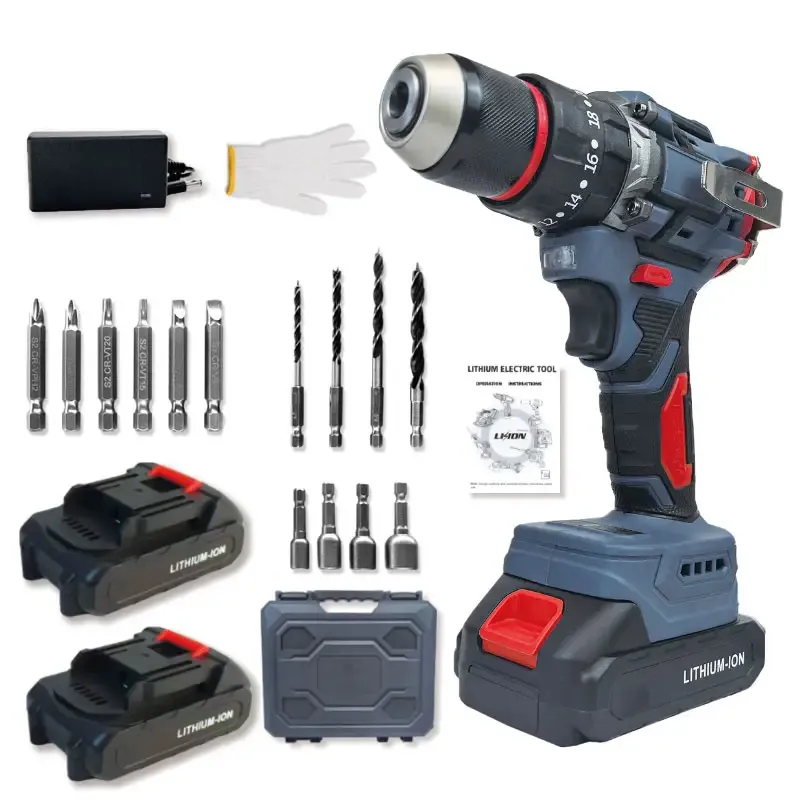
Modern construction and DIY projects demand tools that deliver exceptional performance without tethering users to power outlets. The cordless impact drill has revolutionized how professionals and hobbyists approach drilling and fastening tasks, offering unprecedented mobility while maintaining the power necessary for demanding applications. These innovative tools combine advanced battery technology with precision engineering to create versatile solutions that adapt to various work environments and project requirements.
The evolution of portable drilling technology has transformed traditional workflows, enabling users to work efficiently in remote locations, tight spaces, and challenging environments where corded tools would prove impractical. Understanding how these tools achieve their remarkable balance of power and portability requires examining the sophisticated engineering principles and technological innovations that make modern cordless impact drills indispensable for contemporary projects.
Advanced Battery Technology Powering Modern Cordless Systems
Lithium-Ion Battery Innovation and Performance
Lithium-ion battery technology serves as the foundation for modern cordless impact drill performance, delivering consistent power output throughout extended use cycles. These advanced power cells maintain voltage stability under heavy loads, ensuring that drilling torque and speed remain constant even as battery charge decreases. The energy density of lithium-ion batteries allows manufacturers to create compact power sources that store substantial electrical energy without adding excessive weight to the tool.
Temperature management systems within these batteries prevent overheating during intensive operations, extending both battery life and tool performance reliability. Smart charging circuits optimize power delivery while protecting cells from damage caused by overcharging or deep discharge cycles. This technological sophistication enables cordless impact drills to operate continuously for hours while maintaining professional-grade performance standards.
Power Management and Efficiency Optimization
Sophisticated power management systems monitor energy consumption in real-time, adjusting motor output to match application requirements while maximizing battery runtime. These intelligent controllers prevent unnecessary power waste during light-duty tasks while ensuring full power availability when driving large fasteners or drilling through resistant materials. Variable speed controls allow users to fine-tune power delivery for specific applications, optimizing both performance and battery efficiency.
Regenerative braking systems capture energy during motor deceleration, redirecting this power back to the battery to extend operating time. Electronic clutch systems prevent motor strain by automatically disengaging when predetermined torque levels are reached, protecting both the tool and work materials while conserving battery power for subsequent operations.
Motor Technology and Torque Generation Systems
Brushless Motor Advantages in Cordless Applications
Brushless motor technology eliminates friction-generating carbon brushes, reducing energy consumption while increasing power output efficiency in cordless impact drill designs. These motors generate less heat during operation, allowing for extended runtime without thermal shutdowns that compromise productivity. The absence of wearing brush components significantly extends motor lifespan, reducing maintenance requirements and ensuring consistent performance over thousands of operating hours.
Electronic commutation systems in brushless motors provide precise speed control and instant torque response, enabling smooth acceleration and deceleration that enhances user control during delicate operations. The reduced electromagnetic interference from brushless designs minimizes electronic noise that could affect sensitive control circuits, contributing to overall system reliability and performance consistency.
Impact Mechanism Engineering and Force Multiplication
Impact mechanisms within cordless drills utilize anvil and hammer systems to generate rapid rotational pulses that multiply applied torque without increasing motor load. These mechanical systems convert continuous rotational motion into intermittent high-torque impacts, enabling effective fastener driving and material penetration with minimal user effort. The frequency and intensity of these impacts can be electronically controlled to match specific application requirements.
Advanced impact mechanisms incorporate dampening systems that reduce vibration transmission to the user while maintaining effective force delivery to the workpiece. Precision-machined components ensure consistent impact timing and force distribution, contributing to uniform fastening results and extended tool durability under demanding operational conditions.
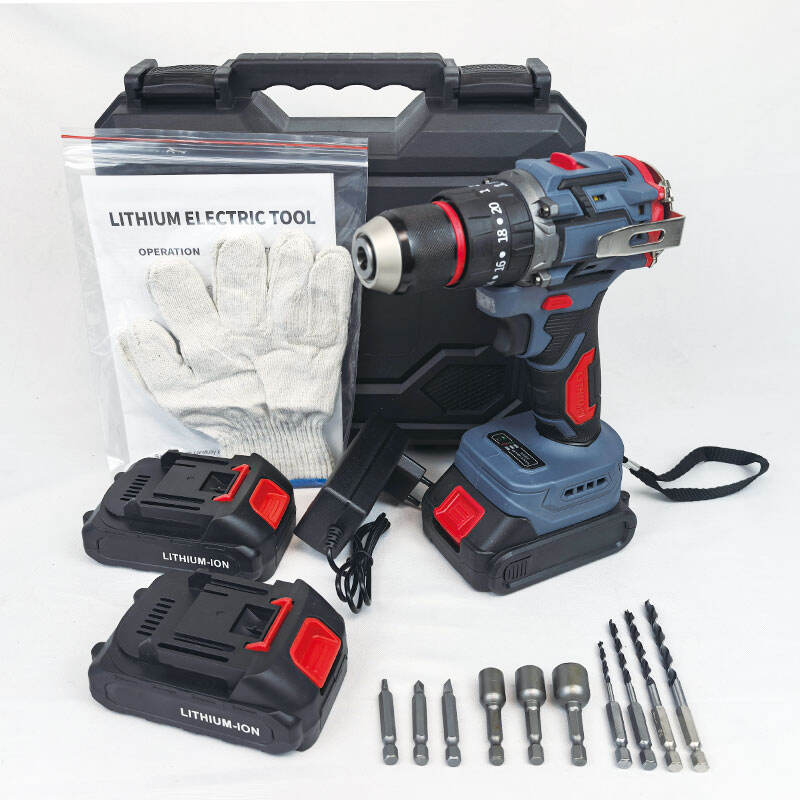
Ergonomic Design and User Interface Innovation
Weight Distribution and Balance Optimization
Strategic component placement within cordless impact drill housings achieves optimal weight distribution that reduces user fatigue during extended operations. Battery positioning near the handle base creates a natural balance point that minimizes wrist strain while providing stable control during precision work. Lightweight materials in non-critical components reduce overall tool weight without compromising structural integrity or performance capabilities.
Grip design incorporates ergonomic contours that accommodate various hand sizes while providing secure hold surfaces that prevent slippage during high-torque applications. Anti-vibration technologies integrated into handle construction isolate impact forces from user hands, enabling comfortable operation throughout long work sessions without experiencing numbness or fatigue.
Control Interface and Operational Feedback Systems
Intuitive control interfaces provide immediate access to speed, torque, and mode selections through clearly marked switches and adjustment rings positioned for easy thumb and finger operation. LED lighting systems illuminate work areas automatically when triggers are pressed, ensuring accurate fastener placement and hole positioning in low-light conditions. Battery status indicators provide real-time charge level information, preventing unexpected power loss during critical operations.
Digital displays on advanced models show operational parameters including selected torque settings, battery runtime estimates, and maintenance alerts that help users optimize tool performance and longevity. Magnetic bit holders and belt clips integrate seamlessly into tool housing designs, providing convenient storage for frequently used accessories without adding bulk or interfering with operation.
Versatility and Application Range Capabilities
Multi-Material Compatibility and Adaptability
Modern cordless impact drills accommodate diverse material types through adjustable torque settings and specialized chuck systems that accept various bit and accessory types. Wood drilling applications benefit from high-speed settings and sharp twist bits that create clean holes without tear-out or splintering. Metal drilling requires slower speeds and appropriate cutting lubricants to maintain bit sharpness while achieving precise hole dimensions.
Masonry applications utilize hammer drill modes that combine rotational cutting with percussive action to penetrate concrete, brick, and stone materials effectively. Specialized bits designed for specific materials optimize cutting efficiency while reducing wear on both the tool and accessories, ensuring consistent results across diverse project requirements.
Professional Applications and Performance Standards
Professional contractors rely on cordless impact drills for framing, electrical installation, plumbing, and HVAC applications where mobility and power are equally important. These tools must withstand daily use in challenging environments while maintaining accuracy and reliability that meet stringent quality standards. Dust and moisture resistance features protect internal components from job site contaminants that could compromise performance or safety.
Industrial applications require tools capable of driving large fasteners into engineered materials while maintaining precise torque control that prevents over-tightening or material damage. Quick-change chuck systems enable rapid bit exchanges that minimize downtime during production operations, contributing to overall efficiency and productivity improvements.
Maintenance and Longevity Considerations
Battery Care and Lifecycle Management
Proper battery maintenance significantly extends cordless impact drill operational life while maintaining peak performance throughout the battery's service period. Avoiding complete discharge cycles helps preserve cell capacity while regular use prevents capacity loss associated with extended storage periods. Temperature management during charging and operation prevents thermal stress that can permanently reduce battery capacity and runtime.
Smart charger systems monitor cell conditions and adjust charging parameters to optimize battery health while minimizing charging time. Proper storage procedures in controlled temperature environments prevent capacity degradation during inactive periods, ensuring batteries maintain full charge capacity when returned to service after extended storage.
Mechanical Component Care and Service Requirements
Regular cleaning and lubrication of chuck mechanisms ensures smooth operation and prevents binding that could damage both the tool and accessories. Impact mechanism maintenance involves periodic inspection and lubrication of anvil and hammer components to maintain consistent force delivery and prevent premature wear. Motor ventilation systems require regular cleaning to prevent dust accumulation that could cause overheating and performance degradation.
Professional servicing at recommended intervals ensures that electronic control systems remain calibrated and that safety systems function correctly throughout the tool's operational life. Replacement of worn components before failure prevents secondary damage that could require extensive repairs or complete tool replacement, maximizing the return on investment for professional users.
FAQ
What factors determine the runtime of a cordless impact drill?
Battery capacity, measured in amp-hours, directly affects runtime, with higher capacity batteries providing longer operation periods. Motor efficiency, particularly in brushless designs, significantly impacts power consumption and extends operating time. Application intensity, including material hardness and fastener size, influences power demands and consequently affects battery life. Temperature conditions also play a role, as extreme temperatures can reduce battery performance and available runtime.
How do cordless impact drills maintain consistent torque throughout battery discharge?
Advanced electronic control systems monitor battery voltage and automatically adjust motor current to maintain consistent power output as battery charge decreases. Sophisticated power management circuits compensate for voltage drops by increasing current draw within safe limits, ensuring steady performance. High-quality lithium-ion batteries maintain more stable voltage curves compared to older battery technologies, contributing to consistent torque delivery throughout the discharge cycle.
What safety features are essential in modern cordless impact drills?
Electronic clutch systems prevent over-torquing that could damage fasteners or work materials while protecting the user from sudden tool reactions. Thermal protection circuits monitor motor temperature and temporarily shut down operation if overheating occurs, preventing permanent damage. LED work lights improve visibility and reduce the risk of accidents in dimly lit work areas. Anti-kickback mechanisms detect binding conditions and automatically stop motor rotation to prevent injury from sudden tool movement.
How do modern cordless impact drills compare to corded models in terms of power output?
High-end cordless impact drills now match or exceed the power output of many corded models, thanks to advanced battery technology and efficient motor designs. Brushless motors in cordless tools often deliver superior torque characteristics compared to brushed motors in corded tools. While corded tools provide unlimited runtime, modern lithium-ion batteries offer sufficient capacity for most applications while providing the significant advantage of unrestricted mobility and operation in locations without electrical access.
Table of Contents
- Advanced Battery Technology Powering Modern Cordless Systems
- Motor Technology and Torque Generation Systems
- Ergonomic Design and User Interface Innovation
- Versatility and Application Range Capabilities
- Maintenance and Longevity Considerations
-
FAQ
- What factors determine the runtime of a cordless impact drill?
- How do cordless impact drills maintain consistent torque throughout battery discharge?
- What safety features are essential in modern cordless impact drills?
- How do modern cordless impact drills compare to corded models in terms of power output?