
 EN
EN
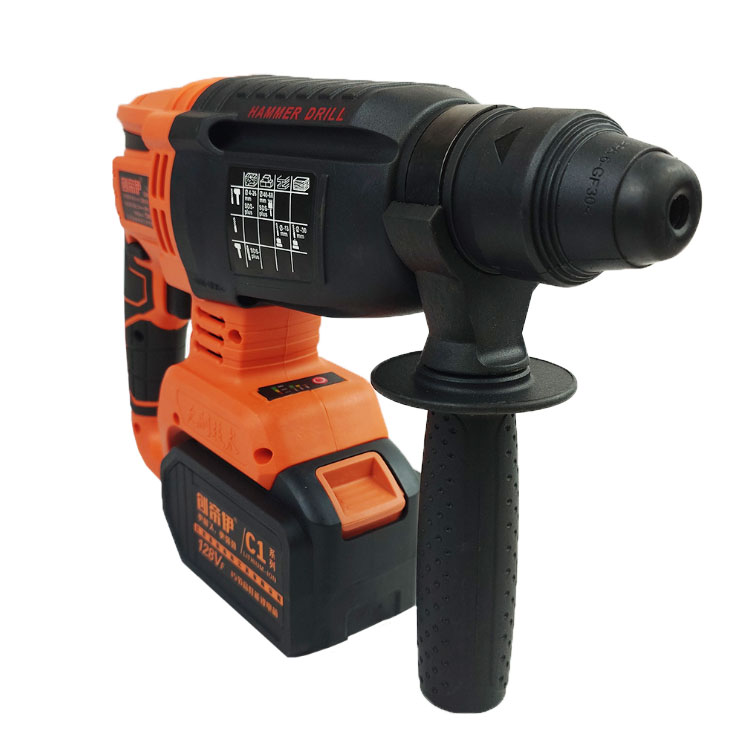
Mobile repair operations face unique organizational challenges that require specialized storage solutions to maintain efficiency and professionalism. A well-designed tool box serves as the cornerstone of organized mobile repair work, transforming chaotic tool collections into systematically arranged equipment that enhances productivity. The difference between a successful mobile repair technician and one struggling with workflow inefficiencies often lies in how effectively their tools are organized and accessible during service calls.
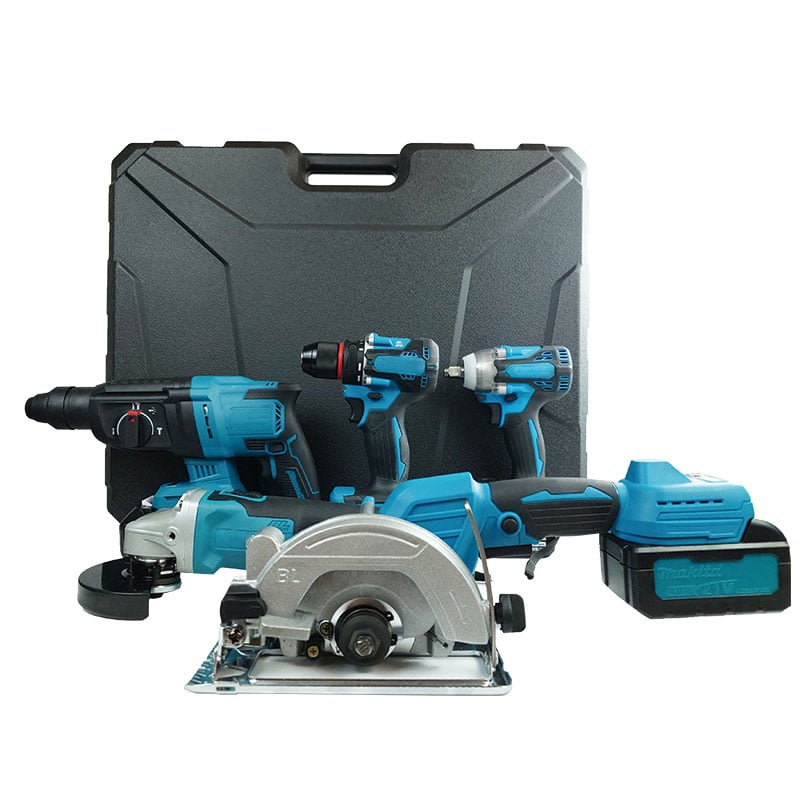
The impact of proper tool organization extends beyond simple convenience, directly affecting service quality, customer satisfaction, and business profitability in mobile repair operations. When technicians can quickly locate the right tool for each task, they complete repairs faster, reduce customer wait times, and project a more professional image. A quality tool box creates a structured environment that prevents tool loss, reduces setup time at job sites, and ensures that every essential component is readily available when needed.
Physical Organization Benefits of Tool Box Systems
Compartmentalization and Tool Segregation
A properly designed tool box creates distinct compartments that separate different categories of repair tools, preventing damage from tool-to-tool contact and making specific instruments easier to locate. Mobile repair technicians benefit significantly from having dedicated spaces for delicate precision instruments, power tools, consumable supplies, and replacement parts. This segregation system reduces the time spent searching for tools during critical repair moments, allowing technicians to maintain focus on the technical aspects of their work.
The compartmentalization approach also protects sensitive equipment from environmental factors that mobile operations commonly encounter. When tools are properly separated within a tool box, they experience less movement-related wear, reduced exposure to moisture, and better protection from temperature fluctuations. This organized approach ensures that precision instruments remain calibrated and functional throughout extended mobile service periods.
Inventory Visibility and Control
Visual organization within a tool box system enables mobile repair technicians to quickly assess their inventory status and identify missing or damaged tools before arriving at customer locations. This immediate visibility prevents embarrassing situations where technicians discover they lack essential tools mid-repair, which can damage professional credibility and require return visits. The organized layout allows for systematic inventory checks that become routine parts of preparation procedures.
Tool box organization also facilitates better inventory management by creating designated spaces for each tool, making it immediately apparent when items are missing or misplaced. This system helps mobile repair businesses track tool usage patterns, identify frequently lost items, and make informed decisions about backup tool investments. The improved inventory control reduces operational costs associated with replacing lost tools and minimizes service delays caused by equipment shortages.
Operational Efficiency Improvements Through Tool Box Organization
Reduced Setup and Breakdown Time
Mobile repair operations require rapid deployment and efficient breakdown procedures to maximize the number of service calls completed daily. A well-organized tool box significantly reduces the time required to set up a workspace at customer locations, allowing technicians to begin diagnostic procedures immediately upon arrival. The systematic arrangement of tools means that essential items are always positioned in predictable locations, eliminating the fumbling and searching that characterizes disorganized tool collections.
The efficiency gains from organized tool box systems compound throughout the workday, as technicians spend more time performing billable repair work and less time managing their equipment. This improved time utilization directly translates to increased daily revenue potential and improved customer satisfaction through faster service completion. The streamlined workflow also reduces technician fatigue associated with constantly reorganizing tools and searching for misplaced items.
Enhanced Problem-Solving Capabilities
Organized tool storage enables mobile repair technicians to approach complex problems with confidence, knowing that they have immediate access to their complete arsenal of diagnostic and repair tools. When tools are systematically arranged within a tool box, technicians can focus their mental energy on technical problem-solving rather than equipment location and management. This cognitive clarity often leads to faster diagnosis times and more effective repair strategies.
The psychological benefits of tool organization cannot be understated in mobile repair operations, where technicians often work in unfamiliar environments under time pressure. A well-organized tool box provides a sense of control and preparedness that enhances problem-solving performance and reduces stress levels. This improved mental state contributes to better decision-making and more thorough repair procedures that result in higher customer satisfaction rates.
Professional Image and Customer Relations Impact
Client Confidence and Trust Building
The appearance and organization of a technician's tool box creates immediate impressions that influence customer perceptions of professionalism and competence. Mobile repair customers often judge service quality based on visible organizational skills, viewing a neat and systematic tool box as evidence of attention to detail and technical expertise. This positive first impression establishes trust and confidence that can differentiate a mobile repair service from competitors who appear less organized.
Professional presentation through organized tool storage also justifies premium pricing for mobile repair services, as customers perceive organized technicians as more skilled and reliable. The visual impact of a well-maintained tool box suggests that the technician takes pride in their work and maintains their equipment properly, implying that the same care will be applied to customer devices. This perception advantage can lead to increased customer retention and positive word-of-mouth referrals.
Workplace Safety and Risk Reduction
Organized tool box systems contribute significantly to workplace safety in mobile repair operations by reducing hazards associated with loose tools, sharp instruments, and electrical equipment. Proper tool storage prevents accidents that can occur when tools are scattered around work areas or when technicians reach into disorganized containers without visibility. The systematic arrangement ensures that dangerous tools are properly secured and easily identified, reducing the risk of cuts, punctures, and electrical injuries.
The safety benefits extend to protecting customer property and workspace cleanliness during mobile repair operations. When tools are properly contained within organized systems, there is less risk of dropping items on customer floors, scratching surfaces, or leaving behind small parts that could create hazards. This careful approach to tool management demonstrates respect for customer property and reduces liability exposure for mobile repair businesses.
Economic and Business Development Advantages
Cost Control and Tool Longevity
Proper tool box organization directly impacts the bottom line of mobile repair operations by extending tool life and reducing replacement costs. When tools are systematically stored with appropriate protection from impacts, moisture, and temperature extremes, they maintain their precision and functionality longer than tools stored haphazardly. The organized approach prevents damage from tools colliding with each other during transport, which is particularly important for delicate measurement instruments and precision screwdrivers used in mobile device repair.
The economic benefits also include reduced insurance costs and liability exposure when tools are properly secured and organized. Insurance providers often offer better rates to mobile service businesses that demonstrate proper equipment management practices, recognizing that organized operations typically experience fewer accidents and equipment losses. The systematic approach to tool box organization also facilitates accurate insurance claims when theft or damage occurs, as organized inventories are easier to document and verify.
Business Scalability and Growth Support
As mobile repair businesses grow and add technicians, organized tool box systems provide templates for standardizing equipment across the workforce. This standardization ensures consistent service quality regardless of which technician handles a particular job, supporting business reputation and customer satisfaction. The systematic approach also simplifies training new technicians, as they can quickly learn standardized tool locations and organization methods.
The scalability advantages of tool box organization extend to inventory management systems that can track tools across multiple technicians and service vehicles. This centralized approach enables better purchasing decisions, bulk tool procurement, and efficient allocation of resources based on actual usage patterns. The organized foundation supports business growth by creating systems that can accommodate additional technicians without sacrificing operational efficiency or service quality.
FAQ
What size tool box is most effective for mobile repair operations?
The most effective tool box size for mobile repair operations typically ranges from medium to large capacity models that can accommodate specialized electronic repair tools, multimeters, precision screwdrivers, and replacement parts while remaining portable. The optimal size balances comprehensive tool storage with ease of transport, usually featuring multiple compartments and drawers that allow for systematic organization of different tool categories without becoming too heavy for single-person handling.
How often should mobile repair technicians reorganize their tool box?
Mobile repair technicians should perform daily tool box organization checks as part of their end-of-day routine, ensuring all tools are returned to their designated locations and identifying any missing or damaged items. A comprehensive reorganization should occur weekly, involving cleaning, inventory verification, and adjustment of tool placement based on usage patterns. This regular maintenance prevents the gradual degradation of organization that can undermine operational efficiency over time.
Can tool box organization systems be customized for different types of mobile repair work?
Yes, tool box organization systems can and should be customized based on the specific types of mobile repair work performed, whether focusing on smartphones, tablets, laptops, or other electronic devices. Different repair specializations require different tool configurations, with smartphone repair demanding more precision instruments while laptop repair may require larger tools and more extensive cable management. The key is creating organization systems that reflect actual workflow patterns and tool usage frequency for maximum efficiency.
What materials and features should be prioritized when selecting a tool box for mobile repair operations?
Priority features for mobile repair tool boxes include durable construction materials like reinforced plastic or metal that can withstand transportation stresses, secure locking mechanisms to protect valuable tools, and anti-static properties to prevent damage to sensitive electronic components. Additional important features include removable dividers for customization, foam inserts for tool protection, and weatherproof seals to protect against environmental exposure during mobile operations.
Table of Contents
- Physical Organization Benefits of Tool Box Systems
- Operational Efficiency Improvements Through Tool Box Organization
- Professional Image and Customer Relations Impact
- Economic and Business Development Advantages
-
FAQ
- What size tool box is most effective for mobile repair operations?
- How often should mobile repair technicians reorganize their tool box?
- Can tool box organization systems be customized for different types of mobile repair work?
- What materials and features should be prioritized when selecting a tool box for mobile repair operations?