
 EN
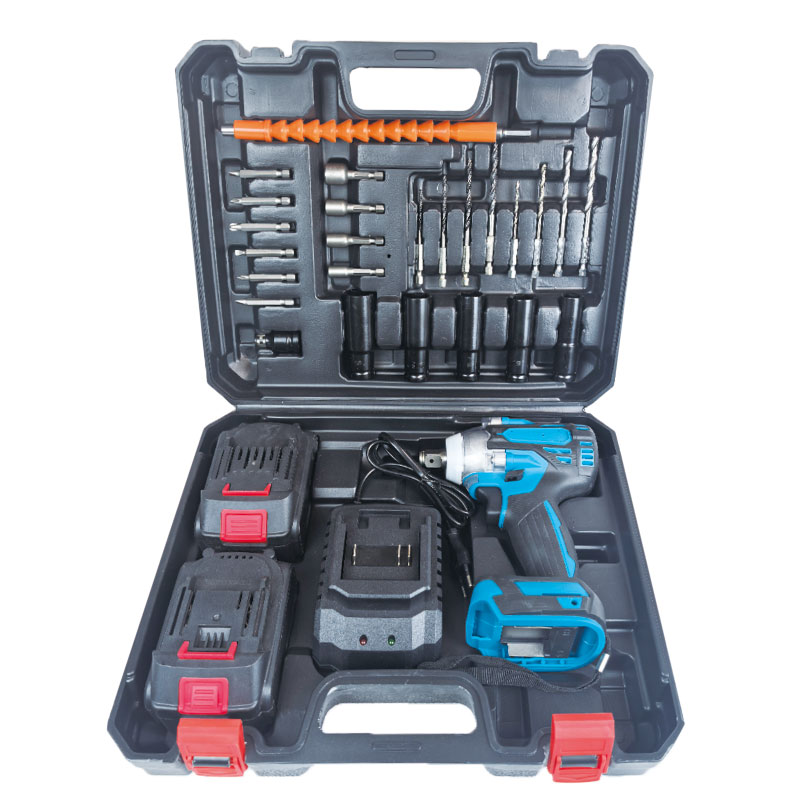
A quality wrench is one of the most essential tools in any workshop, garage, or job site. Whether you rely on hand tools for professional work or occasional maintenance, keeping your wrench in optimal condition directly impacts safety, efficiency, and cost-effectiveness. Neglecting basic maintenance can lead to rust, wear, reduced functionality, and premature tool failure. The good news is that proper wrench maintenance doesn't require specialized expertise or expensive equipment—just consistent attention and sensible practices.
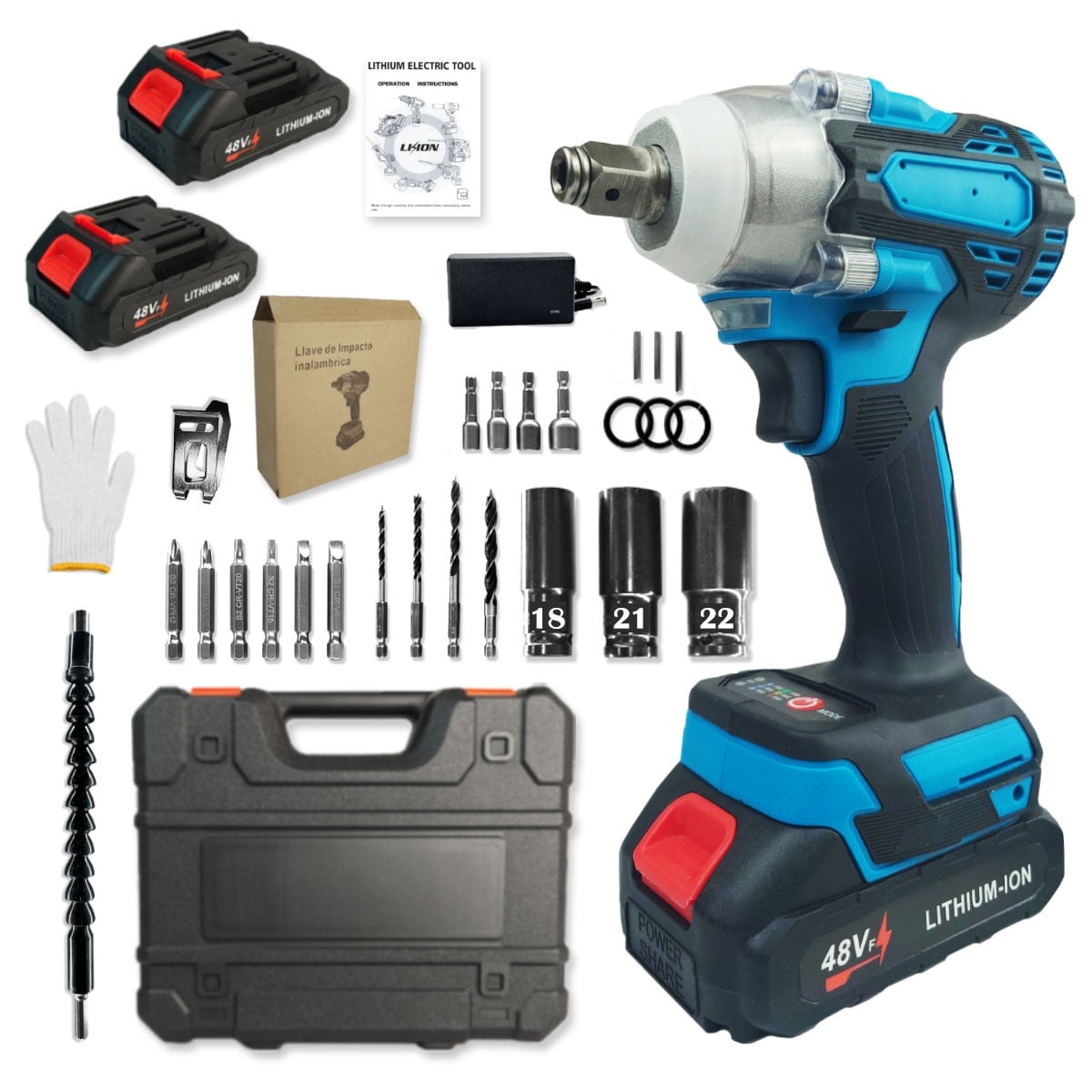
Preventive maintenance extends tool lifespan, reduces repair costs, and ensures reliable performance when you need it most. Different wrench types—including the adjustable wrench, socket wrench, and pipe wrench—have unique care requirements based on their design and typical use environments. Understanding these differences and applying targeted maintenance strategies will maximize your tool investment and keep your equipment safe and functional.
Understanding Your Wrench Type and Care Needs
Adjustable Wrench Maintenance Fundamentals
An adjustable wrench features a movable jaw that allows it to grip fasteners of various sizes, making it a versatile choice for general work. The adjustable mechanism is the most critical component requiring regular attention. Over time, dirt, metal shavings, and corrosion can accumulate in the adjustment threads, causing stiffness or unreliable sizing. Clean your adjustable wrench regularly by wiping away debris with a dry cloth and using a soft brush to remove stubborn particles from the adjustment screw.
The adjustable wrench's jaw alignment also matters significantly for safe operation. If the moving jaw becomes bent or misaligned, the tool won't grip securely and can slip, potentially causing injury or damage. Inspect your adjustable wrench frequently for visible damage, and test its smooth operation before each use. Apply a light machine oil or penetrating spray to the adjustment mechanism periodically to keep it moving freely, but avoid over-oiling, which can attract dust.
Socket Wrench System Upkeep
A socket wrench system consists of interchangeable sockets, a ratchet handle, and various extensions and adapters. Each component requires proper storage and care to maintain compatibility and functionality. Store your socket wrench components in a organized case or toolbox where sockets won't roll around or get damaged. Keep sockets clean and dry, as moisture can cause rust on the internal drive surfaces and compromise the connection between socket and ratchet.
The socket wrench ratchet head experiences significant stress during use and can wear over time. Check that the ratchet mechanism engages smoothly in both directions, and listen for unusual grinding sounds that might indicate internal wear. If your socket wrench ratchet becomes stiff or unreliable, it may need professional servicing or replacement. Inspect socket walls for cracks or deformation, especially after heavy-duty work, and retire damaged sockets immediately to prevent stripped fasteners.
Cleaning, Corrosion Prevention, and Storage
Effective Cleaning Practices for All Wrench Types
Regular cleaning is the foundation of wrench maintenance. After each use, wipe your wrench with a clean, dry cloth to remove sweat, oils, moisture, and dust. For more thorough cleaning, use a soft brush or old toothbrush to scrub away debris from crevices and hard-to-reach areas. If your wrench encounters heavy contaminants like grease or adhesive, use a degreaser or solvent on a cloth—never soak the entire wrench, as this can push moisture into bearing surfaces and joints.
For a pipe wrench or adjustable wrench with significant corrosion or stubborn residue, gently scrub with fine steel wool or a brass brush, moving in the direction of the grain if applicable. Avoid aggressive abrasive methods that can scratch the finish and expose bare metal to oxidation. After cleaning, dry the wrench immediately and completely. Pay special attention to any joints, pivot points, or moving parts where moisture can accumulate and cause rust or functional problems.
Rust Prevention and Protective Storage
Rust is a common enemy of metal tools, especially pipe wrenches and adjustable wrenches used in humid or wet conditions. Prevent rust by storing wrenches in a dry environment with controlled humidity. Use a toolbox, wall-mounted rack, or pegboard in a climate-controlled space rather than leaving tools exposed outdoors or in damp garages. If you work in high-humidity settings, consider storing your wrench with silica gel packets or moisture-absorbing materials to minimize corrosion risk.
Apply a thin protective coating of light machine oil, paste wax, or specialized tool protectant to the wrench surface, paying particular attention to the adjustable wrench's threaded areas and the pipe wrench's serrated jaws. This coating creates a barrier against moisture and oxidation without interfering with functionality. Wipe off excess product with a cloth to prevent it from attracting dust. For long-term storage of unused wrenches, wrap them individually in oiled cloth or place them in sealed plastic bags to minimize air exposure.
Functional Testing, Repair Recognition, and Professional Help
Regular Functional Assessments
A functional test before use reveals problems early and prevents safety incidents. For an adjustable wrench, test the adjustment mechanism by opening and closing it smoothly without grinding or sticking. The jaw should align perfectly and stay locked at any selected size. For a socket wrench, check that the ratchet catches and releases properly in both forward and reverse, and verify that sockets seat firmly on the drive without wobbling or gaps.
A pipe wrench should have smooth jaw movement and reliable gripping action when tightened. Look for signs of damage such as bent handles, cracked heads, or severely worn serrated jaws. If you notice any deterioration in performance—such as slipping sockets, sticking adjustments, or loose joints—investigate the cause immediately. Small problems often worsen rapidly if ignored, and using a compromised wrench risks both safety and the integrity of the fastener or fitting you're working on.
When to Seek Professional Repair or Replacement
Some wrench problems exceed the scope of basic maintenance and require professional expertise. If the internal mechanism of an adjustable wrench becomes severely worn or if its handle is cracked or bent, replacement is usually more practical than repair. Similarly, if a socket wrench ratchet mechanism fails internally, professional rebuilding or replacement is necessary to restore reliable function.
A pipe wrench with severely worn or damaged jaws, or one with a broken handle, should be professionally evaluated or retired from service. Attempting to use compromised tools can lead to accidents, injuries, or damage to the items you're working on. Quality hand tools are built to last many years with proper maintenance, but recognizing when professional intervention or replacement is needed protects both your safety and your workshop's reputation for quality work.
FAQ
How often should I clean my wrench?
Clean your wrench after every use, ideally within the same day. Wipe away dust and moisture with a dry cloth, and use a brush if needed to remove stubborn debris. This simple habit prevents rust accumulation and keeps your adjustable wrench adjustment mechanism and socket wrench connections functioning smoothly for years.
What's the best way to prevent rust on a pipe wrench?
Store your pipe wrench in a dry, climate-controlled environment, apply a light coat of machine oil to the surface, and wipe off excess after application. If you work in high-humidity conditions frequently, consider storing your tools with silica gel packets or in sealed containers to minimize moisture exposure and oxidation risk.
Can I use a socket wrench with missing or damaged components?
No—never use an incomplete or damaged socket wrench system. Missing adapters, cracked sockets, or a malfunctioning ratchet can cause fastener stripping, slip-offs, or injury. Replace damaged components immediately and store all parts together so nothing gets lost. A complete, well-maintained socket wrench system is far safer and more reliable than one with compromised pieces.