 EN
EN
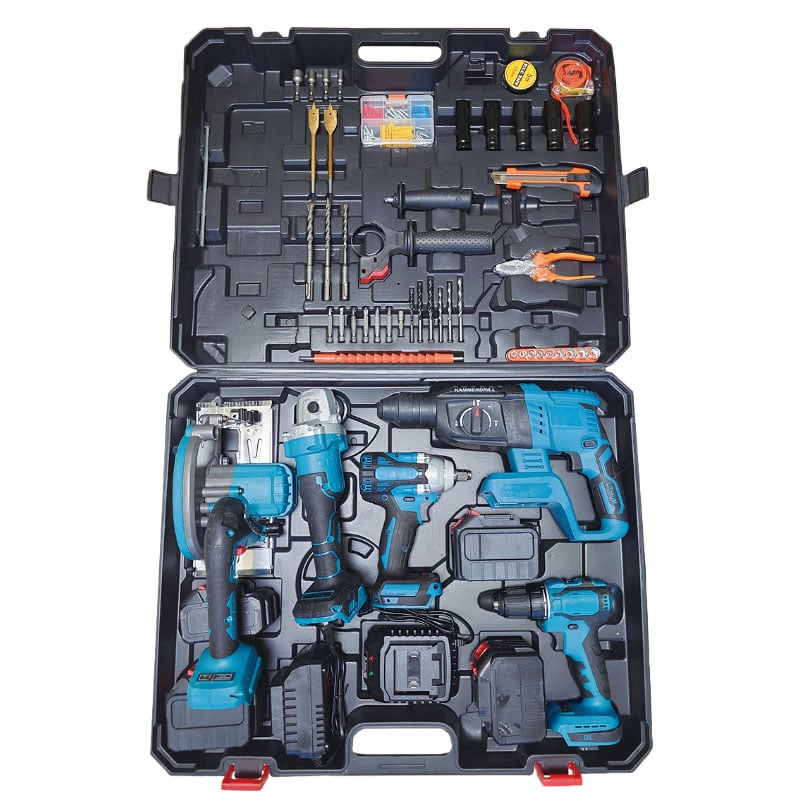
Business procurement teams face mounting pressure to streamline vendor relationships, reduce administrative overhead, and optimize purchasing decisions across multiple departments. When it comes to equipping facilities with essential equipment, the traditional approach of sourcing individual tools from multiple suppliers creates unnecessary complexity that drains resources and slows operations. A comprehensive power tools set emerges as a strategic solution that transforms how organizations approach tool procurement, offering a unified pathway to meet diverse operational requirements while significantly reducing procurement complexity.
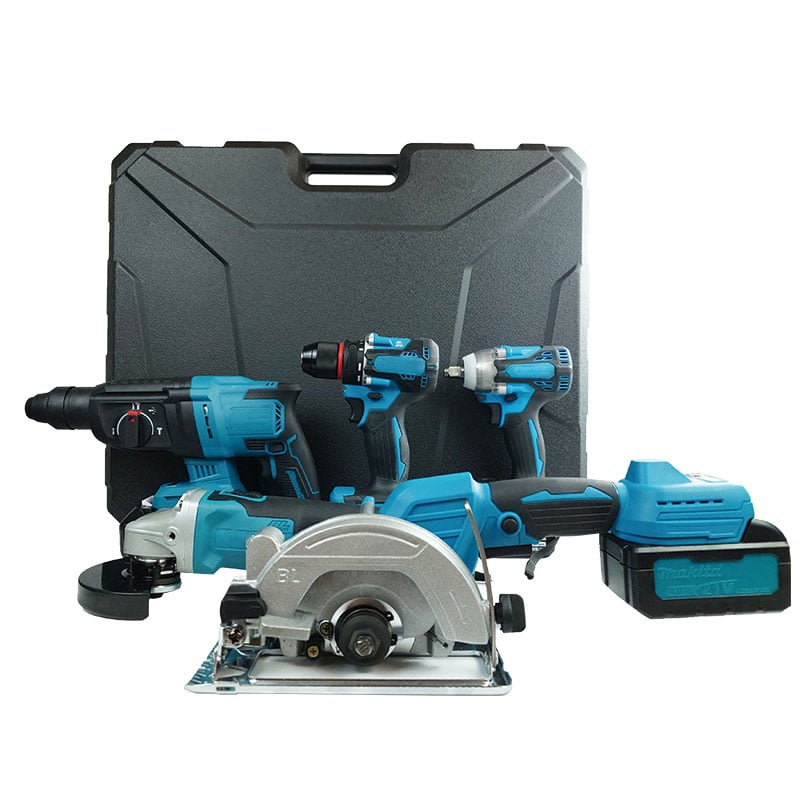
The complexity reduction achieved through strategic power tools set procurement extends beyond simple vendor consolidation. Organizations discover that bundled tool solutions address multiple procurement pain points simultaneously, from standardizing equipment specifications across departments to establishing predictable maintenance protocols. This comprehensive approach enables procurement professionals to focus on strategic initiatives rather than managing fragmented supplier relationships and disparate tool inventories that create operational inefficiencies.
Streamlined Vendor Management and Supplier Relations
Consolidating Multiple Supplier Relationships
Traditional tool procurement often involves managing relationships with numerous specialized suppliers, each requiring separate contracts, payment terms, and communication channels. A power tools set approach dramatically reduces this vendor complexity by establishing a primary supplier relationship that covers multiple tool categories and specifications. This consolidation eliminates the administrative burden of maintaining separate vendor files, tracking multiple payment schedules, and coordinating deliveries from various sources.
The unified supplier relationship also strengthens negotiating position, as organizations can leverage higher purchase volumes to secure better pricing terms and service agreements. Instead of spreading purchases across multiple small orders, businesses can establish strategic partnerships that provide preferential treatment, priority support, and customized service levels that individual tool purchases rarely achieve.
Furthermore, this consolidated approach reduces the compliance overhead associated with vendor management, as procurement teams only need to verify certifications, insurance requirements, and quality standards for a single primary supplier rather than conducting these assessments across multiple vendors.
Simplified Contract Administration
Contract management becomes significantly more efficient when organizations procure comprehensive power tools set solutions rather than individual tools through separate agreements. A single master agreement can cover warranty terms, service levels, delivery schedules, and pricing structures for the entire tool inventory, eliminating the need to track multiple contract renewal dates and varying terms across suppliers.
This streamlined contract structure also simplifies legal review processes, as legal teams can focus their expertise on optimizing a single comprehensive agreement rather than reviewing multiple smaller contracts with varying terms and conditions. The result is faster contract execution and reduced legal costs associated with procurement activities.
Additionally, unified contracts enable more sophisticated service level agreements that cover comprehensive support, training, and maintenance services that would be difficult to coordinate across multiple individual tool suppliers.
Standardized Specifications and Compatibility Management
Ensuring Cross-Department Consistency
One of the most significant complexity challenges in business tool procurement is managing different departments' varying specifications and preferences, which often result in incompatible equipment that cannot share accessories, batteries, or maintenance protocols. A well-designed power tools set eliminates this fragmentation by providing standardized equipment that meets diverse departmental needs while maintaining consistent specifications across the organization.
This standardization approach reduces training requirements, as employees can transfer their skills and knowledge across different tools within the set, improving operational efficiency and reducing the learning curve when staff members rotate between departments or projects. The consistent interface and operational logic across tools in a power tools set minimizes user error and accelerates proficiency development.
Moreover, standardized specifications simplify replacement part procurement and inventory management, as organizations can maintain focused spare parts inventory rather than tracking components for numerous different tool models and manufacturers.
Battery and Accessory Compatibility
A comprehensive power tools set typically features interchangeable battery systems and compatible accessories, which dramatically reduces inventory complexity and operational costs. Instead of managing separate battery charging systems and replacement programs for different tool categories, organizations can implement unified power management that serves the entire tool ecosystem.
This compatibility extends to accessories such as drill bits, saw blades, and attachments, allowing organizations to maintain streamlined inventory that serves multiple tools rather than tracking specialized accessories for each individual tool type. The result is reduced storage requirements, simplified inventory tracking, and improved availability of necessary accessories when needed.
The interchangeable nature of components in a quality power tools set also provides operational flexibility, as tools can be quickly adapted for different applications without requiring separate procurement of specialized accessories or components.
Procurement Process Efficiency and Administrative Reduction
Simplified Requisition and Approval Workflows
The traditional approach of procuring individual tools requires separate requisition processes for each item, creating multiple approval touchpoints and extending procurement timelines. A power tools set procurement strategy consolidates these requirements into single requisition processes that address comprehensive tooling needs, significantly reducing administrative overhead and accelerating approval workflows.
This consolidated approach also simplifies budget planning and allocation, as organizations can establish clear tooling budgets for complete power tools set solutions rather than tracking numerous small purchases across different budget categories. Financial planning becomes more predictable, and budget utilization tracking becomes more straightforward when dealing with comprehensive tool solutions.
The reduced number of purchase orders and transactions also minimizes accounting complexity, as fewer transactions require processing, approval, and reconciliation, freeing administrative resources for more strategic activities.
Streamlined Delivery and Implementation
Coordinating deliveries from multiple tool suppliers creates logistical complexity that extends far beyond the procurement function, affecting receiving operations, inventory management, and deployment scheduling. A power tools set approach enables coordinated delivery scheduling that reduces receiving complexity and ensures all necessary tools arrive together for immediate deployment.
This coordinated delivery approach also facilitates more effective training and implementation programs, as organizations can schedule comprehensive training sessions that cover the entire tool ecosystem rather than conducting fragmented training sessions as individual tools arrive from different suppliers.
The unified delivery approach also reduces packaging waste and shipping costs, as suppliers can optimize packaging and shipping methods for complete tool sets rather than managing numerous individual shipments with varying packaging requirements.
Long-term Maintenance and Support Simplification
Unified Service and Support Programs
Maintaining tools from multiple suppliers requires managing different service protocols, warranty terms, and support contact points, creating operational complexity that persists long after the initial procurement. A comprehensive power tools set typically comes with unified service programs that provide consistent support across all included tools, simplifying maintenance scheduling and service coordination.
This unified support structure enables organizations to develop standardized maintenance protocols that apply across the entire tool inventory, reducing training requirements for maintenance staff and improving service consistency. Predictable maintenance schedules and standardized service procedures contribute to better equipment uptime and more reliable operational planning.
Additionally, unified service programs often include comprehensive training for maintenance staff, ensuring that internal teams can provide consistent first-level support across the entire power tools set rather than requiring specialized knowledge for each individual tool type.
Simplified Warranty and Replacement Management
Managing warranty claims and replacement procedures across multiple tool suppliers creates administrative complexity that can significantly delay equipment restoration when problems occur. A power tools set approach consolidates warranty management under single supplier relationships that provide consistent claim processes and replacement procedures across all included equipment.
This consolidation also enables more favorable warranty terms, as suppliers can offer comprehensive coverage that reflects the volume and strategic nature of the relationship, often providing enhanced warranty periods and more flexible replacement options than individual tool purchases would support.
The simplified warranty structure also reduces the administrative burden on operations teams, who can follow consistent procedures for warranty claims rather than navigating different suppliers' varying requirements and processes when equipment issues arise.
FAQ
What specific types of procurement complexity does a power tools set address?
A power tools set addresses multiple layers of procurement complexity including vendor management overhead, contract administration burden, specification standardization challenges, inventory management complexity, and maintenance coordination difficulties. By consolidating multiple tool requirements under unified procurement, organizations eliminate the need to manage numerous supplier relationships, separate contracts, varying specifications, and disparate maintenance programs that create ongoing administrative overhead.
How does a power tools set approach affect procurement costs compared to individual tool purchasing?
While the initial investment in a comprehensive power tools set may appear higher than individual tool purchases, the total cost of ownership typically decreases significantly due to volume pricing advantages, reduced administrative costs, simplified maintenance programs, and standardized inventory requirements. Organizations also benefit from reduced shipping costs, consolidated training expenses, and simplified warranty management that creates long-term cost savings beyond the initial purchase price.
Can a power tools set approach accommodate different departmental requirements within the same organization?
Modern power tools set solutions are designed to address diverse operational requirements while maintaining standardization benefits. Quality sets include multiple tool types that serve different applications, from precision work to heavy-duty operations, while maintaining compatible battery systems and accessories. This diversity within standardization allows departments to access specialized tools while benefiting from unified procurement, training, and maintenance protocols.
What should organizations consider when evaluating power tools set suppliers to maximize complexity reduction?
Organizations should evaluate suppliers based on their ability to provide comprehensive support beyond the initial tool delivery, including training programs, maintenance services, warranty coverage, and long-term parts availability. The supplier's capacity to provide standardized specifications across tool types, compatible battery and accessory systems, and unified service protocols should be primary evaluation criteria, as these factors directly impact the complexity reduction achieved through the power tools set approach.
Table of Contents
- Streamlined Vendor Management and Supplier Relations
- Standardized Specifications and Compatibility Management
- Procurement Process Efficiency and Administrative Reduction
- Long-term Maintenance and Support Simplification
-
FAQ
- What specific types of procurement complexity does a power tools set address?
- How does a power tools set approach affect procurement costs compared to individual tool purchasing?
- Can a power tools set approach accommodate different departmental requirements within the same organization?
- What should organizations consider when evaluating power tools set suppliers to maximize complexity reduction?