 EN
EN
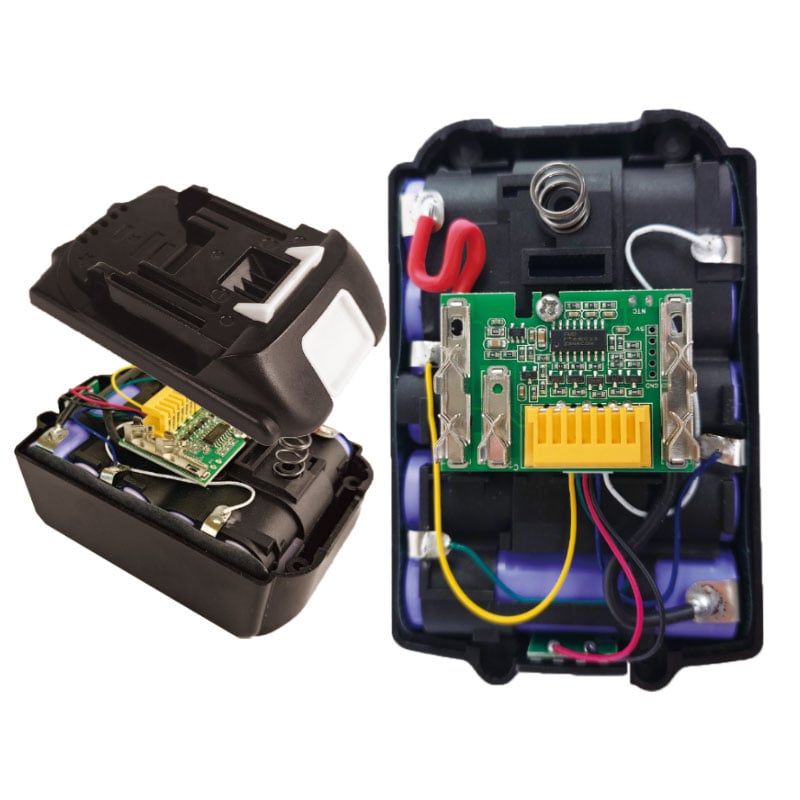
Modern business operations demand reliable power solutions that minimize interruptions and maximize productivity. Lithium battery systems have emerged as game-changing technology for B2B tool users across industries, offering unprecedented uptime and operational efficiency. These advanced power solutions address critical challenges that traditional battery technologies simply cannot match, particularly in demanding commercial environments where every minute of downtime translates to lost revenue and decreased competitiveness.
The transition to lithium battery systems represents more than just a technological upgrade—it signifies a strategic shift toward sustainable, high-performance power management. Companies utilizing these systems report dramatic reductions in maintenance windows, fewer equipment failures, and significantly improved operational continuity. Understanding how these systems achieve such remarkable performance improvements requires examining their fundamental advantages and real-world applications in professional settings.
Understanding Lithium Battery Technology Advantages
Superior Energy Density and Capacity
Lithium battery systems deliver exceptional energy density compared to traditional lead-acid or nickel-metal hydride alternatives. This fundamental advantage translates directly into longer operational periods between charging cycles, reducing the frequency of power interruptions that plague conventional battery-powered equipment. Professional tools equipped with lithium battery systems can operate for extended periods without requiring battery swaps or recharging breaks.
The enhanced capacity characteristics of lithium battery systems enable businesses to maintain consistent performance throughout demanding work cycles. Unlike older battery technologies that experience significant voltage drops as they discharge, lithium systems maintain stable power output until near-complete depletion. This consistent performance ensures that tools operate at optimal efficiency levels throughout their entire duty cycle, eliminating productivity losses associated with diminishing power availability.
Rapid Charging Capabilities
One of the most significant advantages of lithium battery systems lies in their rapid charging capabilities, which dramatically reduce downtime between operational periods. While traditional batteries often require hours of charging time, modern lithium systems can achieve substantial charge levels in minutes rather than hours. This rapid turnaround capability allows businesses to maintain continuous operations even during intensive usage scenarios.
The fast-charging characteristics of lithium battery systems enable implementation of rotating battery strategies that virtually eliminate downtime. Professional teams can maintain fully charged backup batteries while primary systems remain in use, creating seamless power transitions that keep operations running without interruption. This approach proves particularly valuable in time-sensitive environments where any operational pause results in significant financial impact.
Operational Reliability and Maintenance Benefits
Extended Cycle Life and Durability
Lithium battery systems demonstrate exceptional cycle life characteristics, often lasting three to five times longer than traditional battery technologies under similar operating conditions. This extended operational lifespan reduces the frequency of battery replacements, minimizing maintenance-related downtime and associated costs. Businesses benefit from predictable performance over extended periods, enabling better planning and resource allocation.
The robust construction and advanced chemistry of lithium battery systems provide superior resistance to environmental stresses that commonly cause premature failure in other battery types. These systems maintain reliable performance across wide temperature ranges and resist degradation from vibration, shock, and other mechanical stresses typical in industrial environments. Such durability ensures consistent availability when equipment reliability is paramount.
Minimal Maintenance Requirements
Unlike traditional battery technologies that require regular maintenance procedures such as water level checks, terminal cleaning, and equalization charging, lithium battery systems operate with minimal maintenance intervention. This reduction in maintenance requirements translates directly into decreased downtime for routine servicing and lower labor costs associated with battery care.
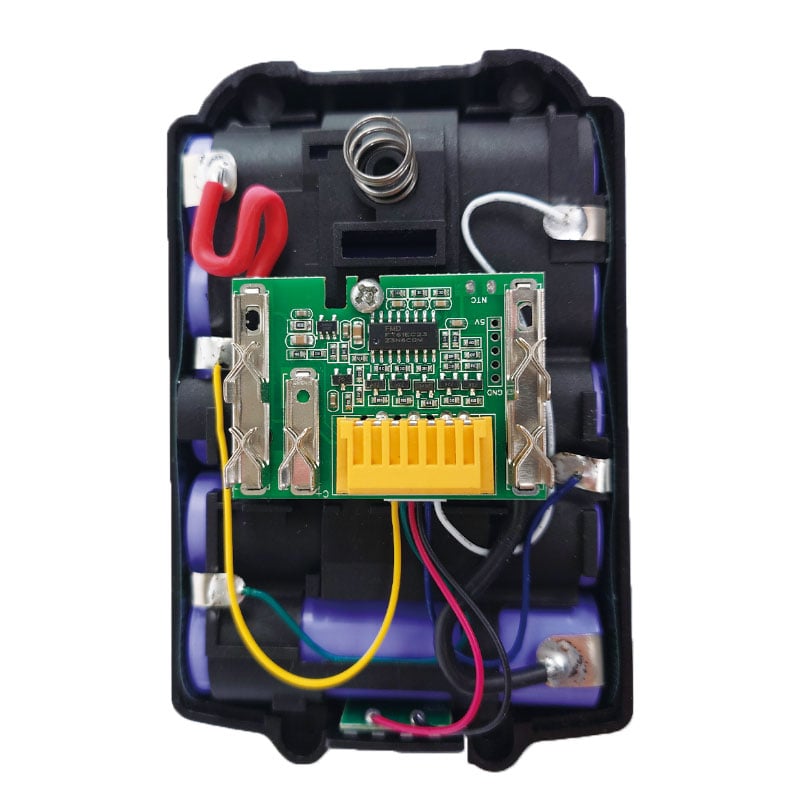
The self-managing characteristics of modern lithium battery systems include built-in protection circuits and battery management systems that automatically optimize performance and prevent damage from overcharging, over-discharging, or thermal stress. These intelligent systems eliminate human error factors that often contribute to premature battery failure and unexpected downtime in traditional battery applications.
Performance Consistency and Temperature Stability
Stable Power Output Characteristics
Lithium battery systems maintain consistent voltage and power output throughout their discharge cycle, ensuring that powered equipment operates at designed performance levels regardless of battery charge state. This stable power delivery eliminates performance degradation that occurs with traditional batteries as their charge levels decrease, maintaining productivity and work quality throughout extended operational periods.
The consistent power characteristics of lithium battery systems prevent the gradual slowdown that affects tools powered by conventional batteries as they discharge. Professional equipment maintains full speed, torque, and functionality until the battery reaches its minimum operating threshold, maximizing productive work time and eliminating the inefficiencies associated with gradually declining performance.
Wide Operating Temperature Range
Advanced lithium battery systems demonstrate superior performance across wide temperature ranges compared to traditional battery technologies. This temperature stability ensures reliable operation in challenging environmental conditions that would cause significant performance degradation or complete failure in conventional battery systems. Businesses operating in extreme climates benefit from consistent power availability regardless of ambient conditions.
The thermal characteristics of lithium battery systems include built-in temperature management features that protect against damage from extreme conditions while maintaining optimal performance parameters. These systems automatically adjust charging and discharging rates based on temperature conditions, ensuring safe operation while maximizing available power output and extending battery life.
Cost-Effectiveness and Return on Investment
Reduced Total Cost of Ownership
While lithium battery systems typically require higher initial investment compared to traditional alternatives, their superior performance characteristics and extended operational life result in significantly lower total cost of ownership. The combination of reduced maintenance requirements, extended replacement intervals, and improved operational efficiency creates substantial long-term savings that far exceed initial cost premiums.
The economic benefits of lithium battery systems extend beyond direct battery costs to include reduced labor expenses, decreased equipment downtime, and improved productivity metrics. Businesses implementing these systems often realize return on investment within months rather than years, particularly in applications where downtime carries significant financial consequences or where labor efficiency directly impacts profitability.
Productivity Enhancement and Efficiency Gains
The elimination of frequent battery changes and extended charging periods provided by lithium battery systems translates into measurable productivity improvements for B2B operations. Workers can focus on productive tasks rather than battery management activities, while equipment remains available for longer periods without power-related interruptions. These efficiency gains compound over time, creating substantial competitive advantages.
Lithium battery systems enable implementation of advanced fleet management strategies that optimize battery usage across multiple tools and operators. Smart charging systems and battery rotation protocols maximize equipment availability while minimizing the total number of batteries required to maintain continuous operations. This strategic approach to power management delivers significant operational and financial benefits.
Integration and Scalability Considerations
Seamless Equipment Integration
Modern lithium battery systems are designed for seamless integration with existing tool platforms and equipment configurations. Standardized form factors and voltage specifications ensure compatibility with current equipment investments while providing immediate performance improvements. This compatibility reduces implementation complexity and minimizes disruption during transition periods.
The modular nature of many lithium battery systems allows for flexible configuration options that can be tailored to specific operational requirements. Businesses can select battery capacities and charging solutions that align with their usage patterns and performance objectives, creating customized power management solutions that optimize both performance and cost-effectiveness.
Scalable Power Management Solutions
Lithium battery systems provide scalable power solutions that can grow with business requirements and operational changes. The ability to add capacity through additional battery units or upgrade to higher-performance systems ensures that power management capabilities can evolve alongside business growth and changing operational demands.
Advanced lithium battery systems support intelligent power management features that enable optimization of charging schedules, usage patterns, and maintenance intervals across entire tool fleets. These smart management capabilities provide valuable operational insights while automatically optimizing system performance to minimize downtime and maximize productivity.
FAQ
How much downtime can businesses expect to save by switching to lithium battery systems?
Businesses typically experience 60-80% reduction in battery-related downtime when switching to lithium battery systems. The combination of faster charging, longer operational periods, and reduced maintenance requirements creates substantial time savings. Most companies report payback periods of 6-12 months through improved productivity and reduced operational disruptions.
Are lithium battery systems compatible with existing B2B tool platforms?
Yes, most modern lithium battery systems are designed with backward compatibility for existing tool platforms. Standard voltage ratings and form factors ensure seamless integration with current equipment investments. However, businesses should verify compatibility specifications and may benefit from consulting with suppliers to optimize system configuration for their specific applications.
What safety considerations apply to lithium battery systems in commercial environments?
Lithium battery systems incorporate multiple safety features including overcharge protection, thermal management, and short-circuit prevention. Proper installation, charging procedures, and storage protocols ensure safe operation in commercial environments. Regular training and adherence to manufacturer guidelines maximize safety while maintaining optimal performance characteristics.
How do lithium battery systems perform in extreme temperature conditions?
Quality lithium battery systems maintain reliable performance across temperature ranges from -20°F to 140°F (-29°C to 60°C), significantly outperforming traditional battery technologies. Built-in temperature management systems automatically adjust operation parameters to protect battery integrity while maximizing available power output in challenging environmental conditions.
Table of Contents
- Understanding Lithium Battery Technology Advantages
- Operational Reliability and Maintenance Benefits
- Performance Consistency and Temperature Stability
- Cost-Effectiveness and Return on Investment
- Integration and Scalability Considerations
-
FAQ
- How much downtime can businesses expect to save by switching to lithium battery systems?
- Are lithium battery systems compatible with existing B2B tool platforms?
- What safety considerations apply to lithium battery systems in commercial environments?
- How do lithium battery systems perform in extreme temperature conditions?