
 EN
EN
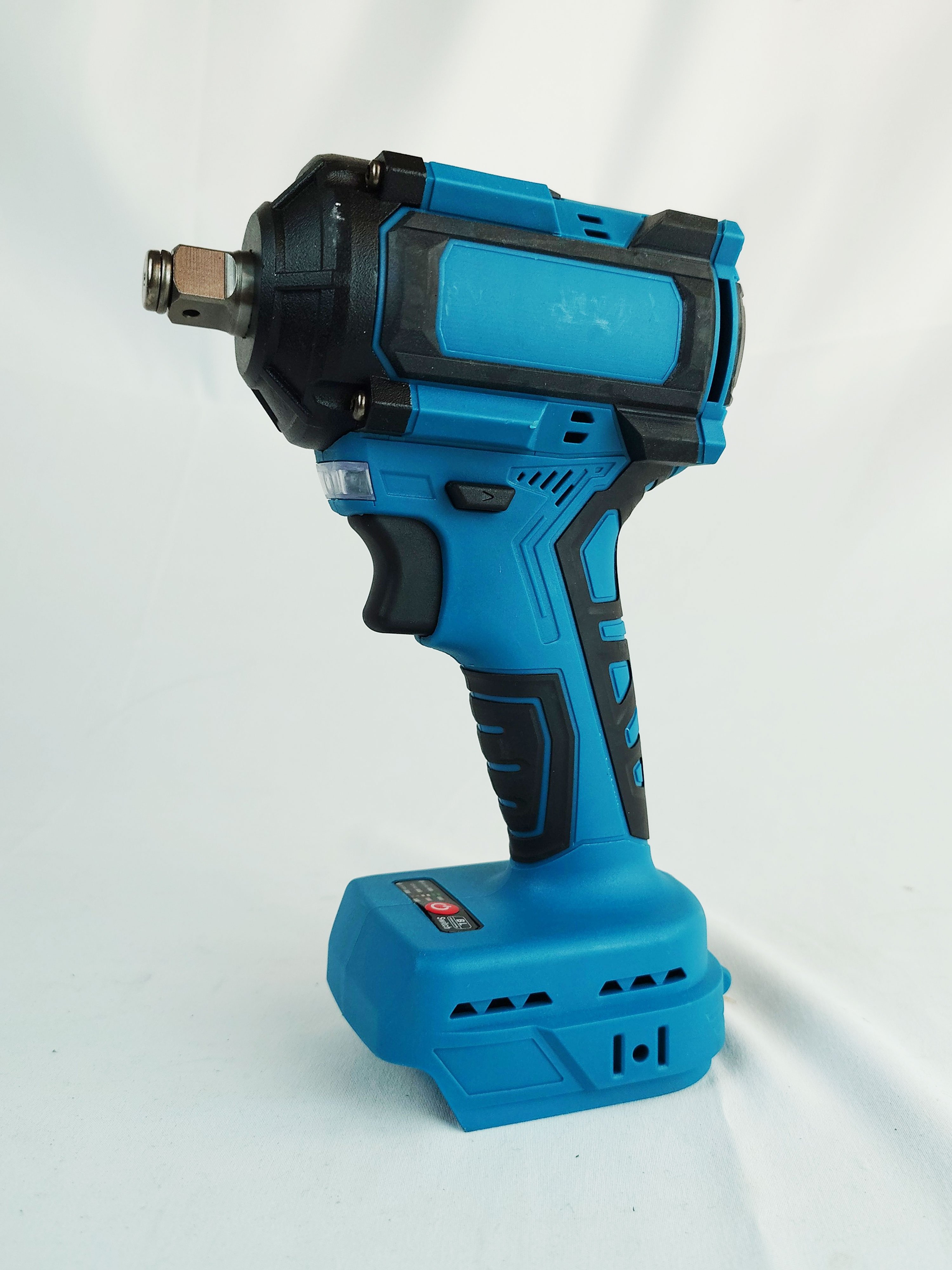
The relationship between wrench designs and torque control represents a fundamental consideration in mechanical maintenance operations. Different wrench configurations, handle geometries, and mechanical mechanisms directly influence the precision, consistency, and reliability of torque application across various industrial applications. Understanding these design-performance relationships enables maintenance professionals to select appropriate tools and achieve optimal fastening outcomes while preventing over-tightening damage or under-tightening failures.
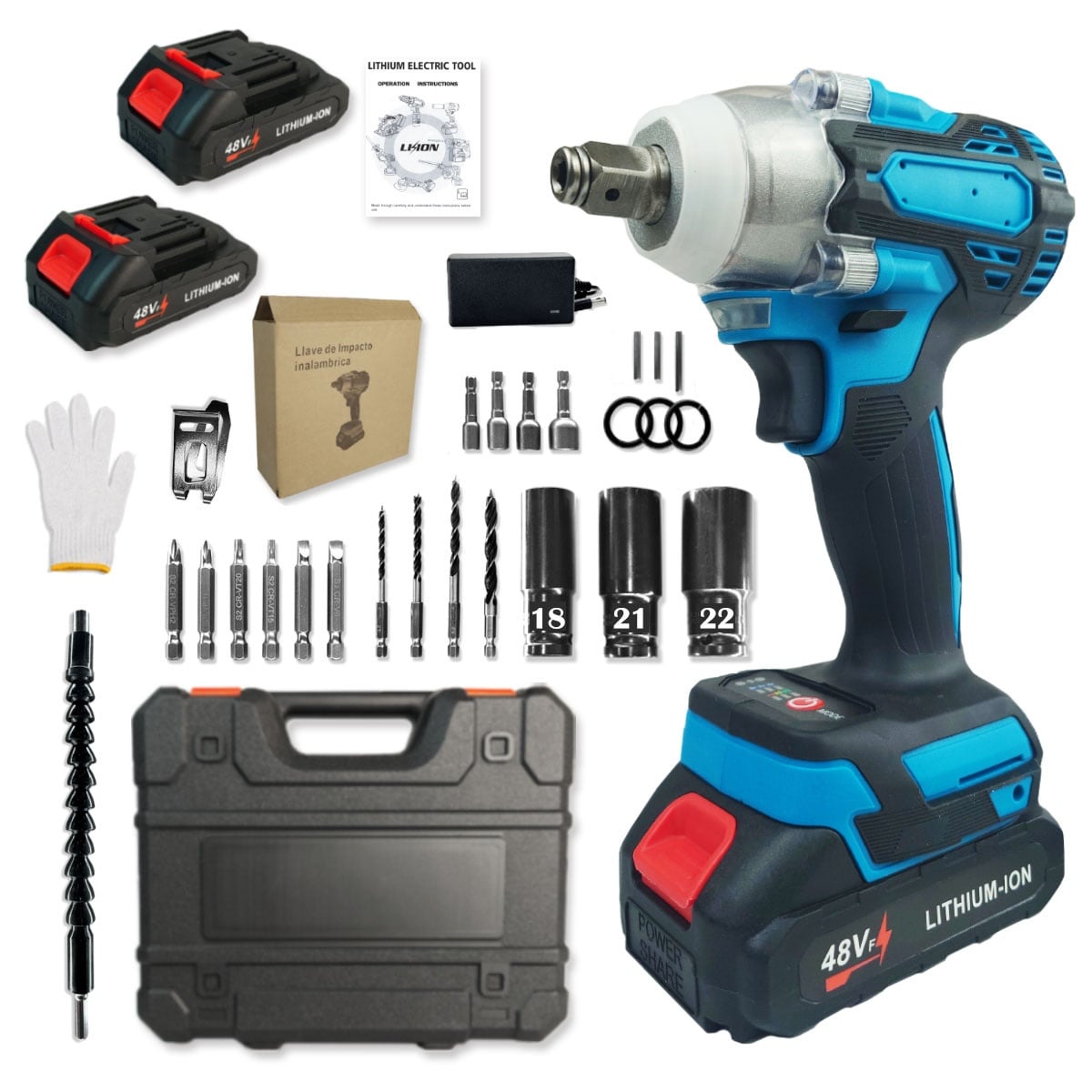
Modern wrench designs incorporate sophisticated engineering principles that directly impact torque delivery characteristics. The mechanical advantage, grip ergonomics, and internal mechanisms all contribute to how effectively operators can control and maintain consistent torque application. These design factors become particularly critical in precision maintenance environments where torque specifications must be met within narrow tolerances to ensure equipment reliability and safety compliance.
Mechanical Advantage and Handle Design Impact
Leverage Ratio Considerations
The leverage ratio built into wrench designs fundamentally determines the mechanical advantage available for torque generation. Longer handles provide greater leverage, allowing operators to achieve higher torque values with less applied force. However, this increased mechanical advantage can also make precise torque control more challenging, as small variations in applied force result in larger torque differences at the fastener. Maintenance professionals must consider this trade-off when selecting wrench designs for specific applications requiring precise torque control.
Different wrench designs optimize leverage ratios for specific torque ranges and application requirements. Fixed-handle designs provide consistent leverage throughout the torque application process, while adjustable or telescoping handles allow operators to modify the mechanical advantage based on specific requirements. The choice between these wrench designs directly affects the operator's ability to maintain consistent torque control across different fastener sizes and tightening specifications.
Short-handle wrench designs typically offer better torque control precision but require higher operator force input to achieve equivalent torque values. This design characteristic makes them particularly suitable for applications requiring fine torque control, such as precision machinery maintenance or delicate component assembly. The reduced mechanical advantage inherent in these wrench designs translates to improved operator feel and reduced risk of over-torquing sensitive components.
Handle Geometry and Grip Characteristics
Handle geometry in various wrench designs significantly influences operator control and torque application consistency. Ergonomic handle shapes distribute applied forces more evenly across the operator's hand, reducing fatigue and improving control precision. Cylindrical handles provide uniform grip characteristics, while contoured or textured handle designs enhance grip security and reduce the likelihood of slippage during torque application.
The cross-sectional area and material composition of wrench handles directly affect torque transmission efficiency and operator comfort. Larger diameter handles distribute applied forces over greater surface areas, reducing pressure points and improving operator endurance during extended maintenance operations. However, oversized handles may compromise the operator's ability to achieve fine torque control, particularly in applications requiring precise torque increments.
Surface treatments and grip enhancements incorporated into modern wrench designs improve torque control by providing secure hand-tool interfaces. Knurled surfaces, rubber overmolding, and textured coatings all contribute to improved grip security, allowing operators to maintain consistent hand positioning and force application throughout the torque application process. These design features become particularly important in environments where contamination or moisture might compromise grip security.
Head Configuration and Socket Interface Effects
Head Design Variations
The head configuration of different wrench designs directly influences torque transmission efficiency and application accuracy. Box-end designs provide full contact around fastener perimeters, distributing applied torque more evenly and reducing the risk of fastener damage. Open-end configurations offer greater accessibility in confined spaces but may experience slight deflection under high torque loads, potentially affecting control precision.
Combination wrench designs integrate both box-end and open-end configurations, providing versatility while maintaining distinct torque control characteristics for each end. The box-end typically provides superior torque control due to complete fastener engagement, while the open-end offers quick positioning and adjustment capabilities. Understanding these performance differences allows maintenance professionals to select the appropriate end for specific torque control requirements.
Ratcheting mechanisms incorporated into various wrench designs affect torque control through their engagement and release characteristics. Fine-tooth ratcheting systems provide smaller increment angles, allowing for more precise positioning and improved torque control in confined spaces. Coarser ratcheting mechanisms offer faster operation but may compromise fine torque control due to larger engagement increments.
Socket Interface Considerations
Socket-drive wrench designs create additional considerations for torque control through their connection mechanisms and drive configurations. Square drive systems provide robust torque transmission but introduce potential backlash that can affect control precision. Quick-release mechanisms enhance operational efficiency but may introduce slight play that impacts torque application consistency.
The drive size selection in socket-compatible wrench designs directly affects torque capacity and control characteristics. Smaller drive sizes offer improved access and reduced weight but may limit maximum torque capacity. Larger drive configurations provide higher torque capacity but may compromise accessibility and fine control precision in certain applications.
Universal joint and extension compatibility in socket-drive wrench designs introduces additional variables affecting torque control. These accessories can introduce angular deflection and mechanical play that may reduce torque transmission efficiency and affect control precision. Maintenance professionals must account for these factors when selecting wrench designs for applications requiring precise torque control.
Material Properties and Construction Impact
Metal Composition Effects
The material composition of different wrench designs significantly influences their torque transmission characteristics and long-term performance consistency. High-carbon steel constructions provide excellent strength and durability but may exhibit slight elasticity under extreme torque loads. Alloy steel compositions offer enhanced strength-to-weight ratios while maintaining dimensional stability under varying load conditions.
Chromium-vanadium steel alloys commonly used in premium wrench designs provide optimal combinations of strength, toughness, and corrosion resistance. These material properties directly contribute to consistent torque transmission and reduced long-term dimensional changes that could affect control precision. The superior fatigue resistance of these alloys ensures maintained performance characteristics throughout extended service life.
Heat treatment processes applied during manufacturing significantly affect the mechanical properties and torque control characteristics of various wrench designs. Proper heat treatment ensures optimal hardness distribution, reducing the likelihood of deformation under high torque loads while maintaining sufficient toughness to prevent brittle failure. These metallurgical considerations directly impact the tool's ability to maintain consistent torque transmission over time.
Manufacturing Precision and Tolerances
Manufacturing precision in wrench designs directly affects dimensional accuracy and torque transmission consistency. Tight manufacturing tolerances ensure proper fit between wrench and fastener interfaces, minimizing play and backlash that could compromise torque control. Precision manufacturing also ensures consistent lever arm dimensions, maintaining predictable mechanical advantage across production lots.
Surface finishing processes employed in quality wrench designs contribute to improved performance and torque control characteristics. Proper surface treatments reduce friction variations and provide consistent contact conditions between tool and fastener interfaces. These finishing considerations become particularly important in applications requiring repeatable torque application across multiple fasteners.
Quality control measures implemented during wrench manufacturing ensure consistent performance characteristics across production quantities. Dimensional verification, material property testing, and functional performance validation all contribute to predictable torque control behavior. These quality assurance practices enable maintenance professionals to rely on consistent tool performance across different wrench designs from reputable manufacturers.
Specialized Design Features for Enhanced Control
Torque Limiting Mechanisms
Advanced wrench designs incorporate torque limiting mechanisms that provide automatic control over maximum applied torque values. These mechanical systems prevent over-torquing by disengaging or slipping when predetermined torque levels are reached. Such designs eliminate operator guesswork and provide consistent torque application regardless of individual operator strength or technique variations.
Click-type torque limiting mechanisms in specialized wrench designs provide audible and tactile feedback when target torque values are achieved. This feedback system enables operators to achieve consistent torque application while reducing the risk of over-tightening damage. The precision and repeatability of these mechanisms directly depend on the quality of internal components and calibration accuracy.
Preset torque wrench designs eliminate the need for operator torque judgment by providing fixed torque output values. These specialized tools ensure consistent torque application across multiple operators and reduce training requirements for achieving proper torque control. The selection of appropriate preset values becomes critical for matching tool capabilities with specific application requirements.
Digital Integration and Monitoring
Modern digital wrench designs incorporate electronic torque monitoring and data logging capabilities that enhance torque control precision and provide documentation for quality assurance purposes. These systems provide real-time torque feedback, enabling operators to achieve precise torque targets while maintaining detailed records of applied values.
Programmable torque settings in digital wrench designs allow for rapid reconfiguration between different fastener specifications and torque requirements. This flexibility enables efficient maintenance operations while ensuring consistent torque control across diverse application requirements. The ability to store multiple torque programs reduces setup time and minimizes operator error potential.
Wireless connectivity features in advanced wrench designs enable integration with maintenance management systems and provide remote monitoring capabilities. These digital features enhance quality control processes and enable predictive maintenance strategies based on torque application patterns and tool performance data.
FAQ
How does handle length affect torque control precision in wrench designs?
Handle length directly impacts torque control precision through mechanical advantage principles. Longer handles provide greater leverage, allowing higher torque generation with less force, but can make fine control more difficult due to amplified force variations. Shorter handles offer better precision control but require more operator force. The optimal handle length depends on the specific torque range and precision requirements of the application.
What role does material composition play in wrench design torque transmission?
Material composition significantly affects torque transmission consistency and tool longevity. High-quality alloy steels provide optimal strength-to-weight ratios while minimizing elastic deformation under load. Superior materials maintain dimensional stability over time, ensuring consistent mechanical advantage and torque transmission characteristics. Heat treatment processes further optimize material properties for reliable torque control performance.
How do ratcheting mechanisms in wrench designs impact torque control accuracy?
Ratcheting mechanisms affect torque control through their engagement characteristics and mechanical precision. Fine-tooth ratchets provide smaller angular increments, enabling better positioning control and improved torque precision in confined spaces. The quality of ratcheting mechanisms influences backlash and engagement consistency, directly impacting the operator's ability to achieve precise torque control. Higher-quality ratchets maintain tighter tolerances and provide more consistent engagement characteristics.
What advantages do specialized torque-limiting wrench designs offer for maintenance applications?
Specialized torque-limiting wrench designs provide automatic over-torque prevention and consistent torque application regardless of operator technique variations. These mechanisms eliminate guesswork and reduce training requirements while ensuring compliance with specified torque values. Click-type and preset torque designs offer particular advantages in critical applications where torque precision directly affects equipment reliability and safety. Digital variants provide additional benefits through data logging and programmable torque settings.
Table of Contents
- Mechanical Advantage and Handle Design Impact
- Head Configuration and Socket Interface Effects
- Material Properties and Construction Impact
- Specialized Design Features for Enhanced Control
-
FAQ
- How does handle length affect torque control precision in wrench designs?
- What role does material composition play in wrench design torque transmission?
- How do ratcheting mechanisms in wrench designs impact torque control accuracy?
- What advantages do specialized torque-limiting wrench designs offer for maintenance applications?