
 EN
EN
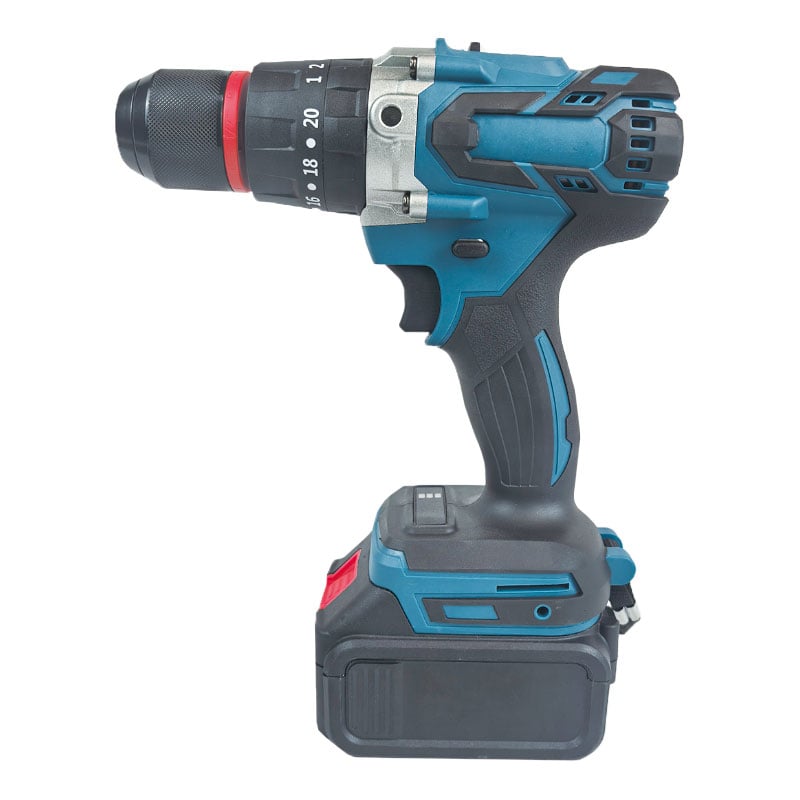
Understanding how a lithium battery directly impacts both runtime and overall performance in power tools is essential for professionals who depend on reliable equipment throughout demanding workdays. The battery chemistry, voltage delivery characteristics, and energy density of lithium battery technology fundamentally determine how long tools operate and how consistently they maintain peak performance under various load conditions.
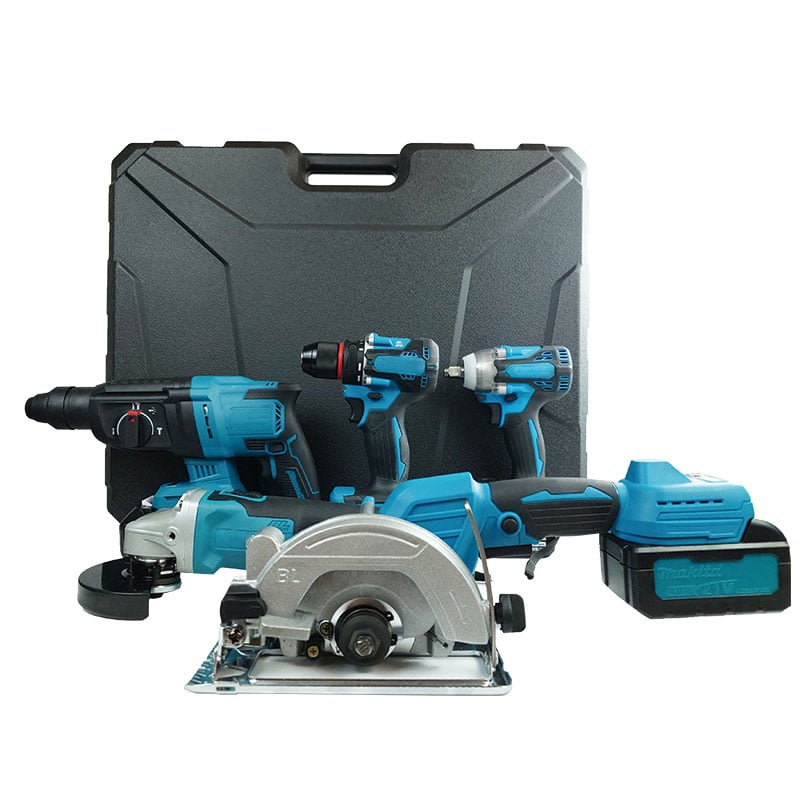
Modern power tool performance relies heavily on the sophisticated energy management capabilities that lithium battery systems provide, creating a direct correlation between battery technology and tool functionality. The voltage stability, current delivery capacity, and thermal management properties of lithium battery cells establish the foundation for consistent tool operation, affecting everything from motor speed maintenance to torque delivery consistency across extended work sessions.
Energy Density Impact on Runtime Duration
Cell Capacity and Available Energy Storage
The energy density characteristics of a lithium battery directly determine the total runtime available for power tool operation through the relationship between cell capacity and energy storage efficiency. Higher energy density lithium battery designs pack more usable energy into the same physical space, allowing tools to operate longer before requiring recharging cycles that interrupt workflow productivity.
Professional-grade lithium battery systems typically deliver energy densities ranging from 150 to 250 watt-hours per kilogram, with this density directly translating to extended runtime performance. The cell chemistry optimization within each lithium battery determines how efficiently stored energy converts to usable power output, affecting the practical runtime duration under real-world operating conditions.
Advanced lithium battery management systems monitor energy consumption patterns and optimize power delivery to maximize runtime efficiency. These systems prevent energy waste through intelligent load matching, ensuring that the lithium battery provides exactly the power required for each specific tool operation while conserving energy for extended use periods.
Discharge Rate Optimization
The discharge rate capabilities of a lithium battery fundamentally influence how long tools maintain consistent performance during high-demand applications. Optimized discharge profiles allow lithium battery systems to deliver steady power output throughout the entire discharge cycle, preventing the performance degradation typically associated with conventional battery technologies.
Professional lithium battery designs incorporate multiple discharge rate settings that automatically adjust based on tool requirements and operating conditions. This adaptive discharge management ensures that the lithium battery provides maximum runtime while maintaining the power delivery consistency essential for professional applications requiring sustained performance levels.
Temperature compensation within lithium battery systems further optimizes discharge rates by adjusting power delivery based on ambient conditions and internal cell temperatures. This thermal management approach prevents efficiency losses that would otherwise reduce runtime performance, maintaining optimal lithium battery output across varying environmental conditions.
Voltage Stability and Power Delivery Consistency
Maintaining Motor Performance Throughout Discharge
The voltage stability characteristics of a lithium battery play a crucial role in maintaining consistent motor performance throughout the entire discharge cycle, preventing the power fade that typically occurs with other battery technologies. This voltage maintenance capability ensures that tools operate at designed performance levels rather than experiencing gradual power reduction as the lithium battery discharges.
Advanced lithium battery systems utilize sophisticated voltage regulation circuits that maintain stable output voltage even as cell charge levels decrease during normal operation. This regulation prevents motor speed variations and torque fluctuations that would otherwise compromise tool performance and work quality during extended use periods.
The flat discharge curve characteristic of quality lithium battery technology means that tools receive consistent voltage input throughout most of the discharge cycle. This consistency translates directly to predictable tool performance, allowing professionals to rely on consistent power delivery for precision work requiring steady motor operation.
Peak Power Demand Management
The ability of a lithium battery to handle sudden peak power demands significantly influences tool performance during high-load applications such as drilling through dense materials or driving large fasteners. Superior current delivery capabilities ensure that tools receive adequate power during these demanding moments without experiencing performance limitations or stalling.
Modern lithium battery designs incorporate high-rate discharge capabilities that support peak power requirements while maintaining thermal stability and cell longevity. These systems can deliver multiple times their nominal current rating for short periods, enabling tools to handle demanding applications without power-related performance compromises.
Intelligent power management within lithium battery systems monitors instantaneous power demands and adjusts cell output accordingly to prevent voltage sag during peak load conditions. This management ensures that tools maintain full performance capability even during the most demanding applications requiring maximum power output from the lithium battery system.
Thermal Management Effects on Performance
Temperature Control During Operation
The thermal management capabilities of a lithium battery system directly influence both immediate performance and long-term reliability through sophisticated temperature monitoring and control systems. Effective thermal management prevents performance throttling that would otherwise occur when lithium battery cells exceed safe operating temperatures during demanding applications.
Advanced lithium battery designs incorporate multiple temperature sensors and active cooling strategies that maintain optimal cell temperatures even during continuous high-power operation. These systems prevent thermal buildup that would otherwise force performance reduction or automatic shutdown protection, maintaining consistent tool operation throughout extended work sessions.
The heat dissipation characteristics of lithium battery housing designs contribute significantly to thermal management effectiveness by providing efficient pathways for heat removal from active cells. This thermal engineering ensures that the lithium battery maintains safe operating temperatures while delivering maximum performance during demanding professional applications.
Environmental Adaptation Capabilities
Professional lithium battery systems demonstrate superior environmental adaptation capabilities that maintain performance consistency across varying temperature and humidity conditions commonly encountered in construction and industrial environments. These adaptation features ensure reliable operation regardless of external environmental factors that would otherwise compromise battery performance.
Cold weather performance optimization within lithium battery systems prevents the significant capacity loss typically associated with low-temperature operation. Advanced lithium battery chemistry and management systems maintain usable capacity and power output even in challenging environmental conditions where conventional batteries would fail to deliver adequate performance.
High-temperature operation capabilities allow lithium battery systems to function effectively in hot environments without experiencing capacity reduction or safety concerns. These systems automatically adjust operating parameters to maintain safe lithium battery operation while preserving maximum possible performance under challenging thermal conditions.
Cycle Life Impact on Long-term Performance
Capacity Retention Over Time
The cycle life characteristics of a lithium battery determine how well the battery maintains its original capacity and performance capabilities over thousands of charge and discharge cycles. Superior cycle life ensures that tools continue delivering consistent runtime and power output throughout the battery's service life, providing better long-term value and reliability for professional users.
High-quality lithium battery systems typically maintain 80% or more of their original capacity after 1000 complete charge cycles, significantly outperforming conventional battery technologies. This capacity retention means that tools powered by quality lithium battery systems continue providing reliable runtime performance for years of regular professional use.
Advanced lithium battery management systems incorporate features that optimize cycle life by preventing overcharge and overdischarge conditions that would otherwise accelerate capacity degradation. These protective measures ensure that the lithium battery maintains maximum possible performance throughout its expected service life while preventing premature capacity loss.
Performance Consistency Maintenance
The ability of a lithium battery to maintain consistent performance characteristics throughout its operational life directly impacts tool reliability and user productivity over time. Quality lithium battery designs preserve their original voltage delivery, current capability, and thermal performance characteristics even after extensive use cycles.
Sophisticated cell balancing within lithium battery packs ensures that individual cells maintain matched performance characteristics throughout the battery's service life. This balancing prevents cell-to-cell variations that would otherwise compromise overall pack performance and reduce the effective capacity available for tool operation.
Regular performance monitoring built into advanced lithium battery systems tracks capacity, internal resistance, and other key performance indicators to provide users with accurate information about battery condition. This monitoring capability helps maintain optimal tool performance by identifying when lithium battery replacement becomes necessary for continued peak operation.
Smart Technology Integration Benefits
Communication and Monitoring Systems
Modern lithium battery systems incorporate sophisticated communication capabilities that enable real-time monitoring of battery status, remaining runtime, and performance optimization opportunities. These smart features help users maximize tool productivity by providing accurate information about lithium battery condition and expected operating time remaining.
Advanced diagnostic capabilities within smart lithium battery systems monitor cell health, charging efficiency, and usage patterns to optimize performance for specific applications and user requirements. This intelligent monitoring ensures that the lithium battery delivers maximum possible runtime and power output for each specific tool and application combination.
Integration with tool management systems allows lithium battery data to contribute to overall equipment monitoring and maintenance scheduling. This integration helps prevent unexpected downtime by providing advance notice when lithium battery replacement or maintenance becomes necessary for continued optimal performance.
Adaptive Performance Optimization
Intelligent lithium battery systems learn from usage patterns and automatically adjust performance parameters to optimize runtime and power delivery for specific applications and user preferences. This adaptive capability ensures that the lithium battery provides the best possible performance for each user's particular requirements and working conditions.
Machine learning algorithms within advanced lithium battery management systems analyze power consumption patterns and environmental conditions to predict optimal charge and discharge strategies. These systems continuously improve lithium battery performance by adapting to real-world usage patterns rather than relying on static factory settings.
Predictive maintenance capabilities help users maximize lithium battery life and performance by identifying optimal charging practices and usage patterns. These systems provide recommendations for maintaining peak lithium battery performance while extending overall service life through intelligent usage optimization.
FAQ
How long does a lithium battery typically last in power tools compared to other battery types?
A quality lithium battery typically provides 2-3 times longer runtime than comparable nickel-cadmium batteries and maintains consistent power output throughout the discharge cycle. Professional-grade lithium battery systems often deliver 1000+ charge cycles while maintaining 80% of original capacity, significantly outlasting conventional battery technologies in both single-use runtime and overall service life.
Does cold weather significantly affect lithium battery performance in power tools?
Modern lithium battery systems are specifically designed to minimize cold weather performance loss through advanced cell chemistry and thermal management features. While some capacity reduction occurs in extreme cold, quality lithium battery designs typically maintain 70-80% of normal runtime even at temperatures as low as 0°F, far superior to conventional batteries that may lose 50% or more of their capacity in cold conditions.
Can using a higher capacity lithium battery improve tool performance beyond just runtime?
Higher capacity lithium battery systems often provide improved performance beyond extended runtime through better current delivery capabilities and enhanced thermal management. These batteries can typically handle peak power demands more effectively, maintaining consistent voltage output during high-load applications, which translates to more consistent tool performance and reduced likelihood of power-related stalling or performance reduction.
How does lithium battery age affect power tool performance over time?
As a lithium battery ages through normal use cycles, it gradually loses capacity while generally maintaining voltage stability and current delivery capabilities better than other battery technologies. Most professional users will notice reduced runtime before experiencing significant performance degradation, and quality lithium battery systems typically maintain adequate performance for professional use until they reach approximately 70-80% of original capacity.
Table of Contents
- Energy Density Impact on Runtime Duration
- Voltage Stability and Power Delivery Consistency
- Thermal Management Effects on Performance
- Cycle Life Impact on Long-term Performance
- Smart Technology Integration Benefits
-
FAQ
- How long does a lithium battery typically last in power tools compared to other battery types?
- Does cold weather significantly affect lithium battery performance in power tools?
- Can using a higher capacity lithium battery improve tool performance beyond just runtime?
- How does lithium battery age affect power tool performance over time?