
 EN
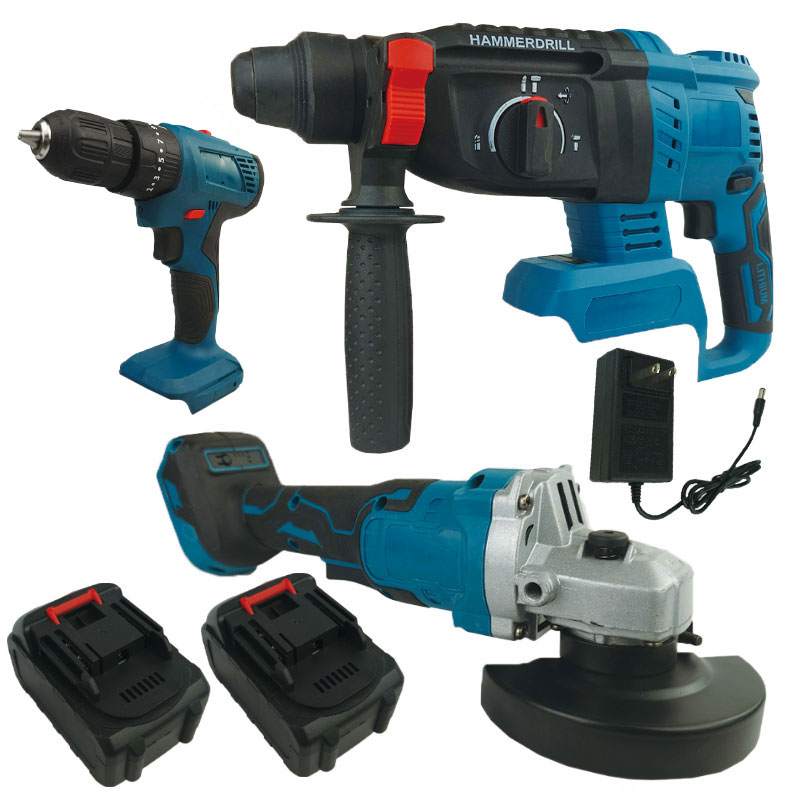
Understanding the true cost of a reliable power tools set requires more than checking price tags at retail outlets. Industrial professionals and DIY enthusiasts alike need to evaluate what constitutes genuine value when investing in equipment that will support years of demanding work. The initial purchase price represents only one component of the total cost equation, as durability, performance, warranty coverage, and battery technology all factor into the real expense of tool ownership.
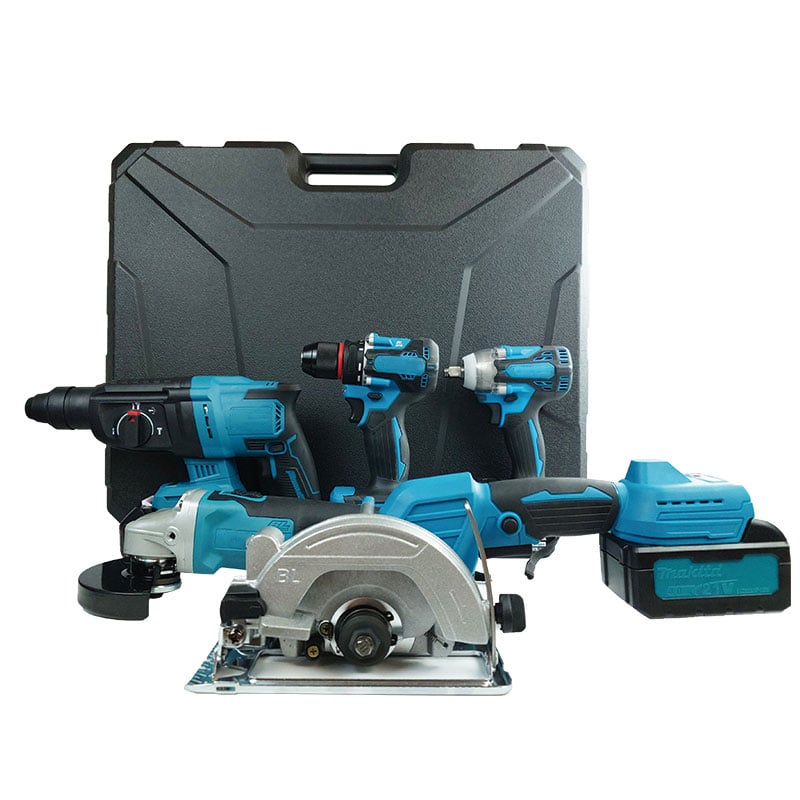
A practical cordless tool kit typically ranges from $150 to $800 depending on brand reputation, battery capacity, and the number of included tools. Budget-conscious buyers may find entry-level portable tool kits under $200, while professional-grade equipment can exceed $1,200. The investment variance reflects fundamental differences in motor power, battery longevity, ergonomic design, and warranty terms that ultimately determine whether a portable tool kit delivers genuine reliability over extended periods of use.
Price Tiers and What Each Delivers
Entry-Level and Basic Cordless Tool Kits
Entry-level cordless tool kits typically cost between $100 and $300 and suit homeowners tackling occasional projects. These packages usually include essential items like a drill-driver, impact driver, and circular saw powered by smaller-capacity lithium batteries. The trade-off involves lower torque output, shorter runtime per charge, and batteries that may hold a full charge cycle for fewer years compared to premium alternatives. Buyers selecting a portable tool kit at this price point should anticipate needing replacement batteries after two to three years of regular use.
The value proposition for a basic power tools set centers on accessibility and versatility rather than heavy-duty performance. These professional hand tool collections work adequately for assembling furniture, hanging shelves, and executing light construction tasks. However, contractors and renovation professionals should recognize that entry-level equipment rarely provides the reliability demanded by daily commercial use. The portability factor appeals to weekend warriors and DIY enthusiasts who value convenient storage and easy transportation between projects.
Mid-Range Professional Hand Tool Collections
Mid-range options priced from $300 to $700 represent the sweet spot for many professional contractors and serious hobbyists. A professional hand tool collection in this category typically features higher-capacity batteries, more robust motor assemblies, and expanded tool selections. This tier often includes four to eight tools along with dual battery packs and faster chargers, significantly enhancing productivity on active job sites. Cordless tool kits at mid-range prices deliver better torque, faster drilling speeds, and batteries rated for longer lifespan cycles.
Investing in a power tools set within this range signals a commitment to reliability and performance that accommodates regular commercial use. The portable tool kit benefits include extended runtime allowing full workdays without mid-project charging delays, improved ergonomic design reducing user fatigue, and more comprehensive warranty protection. Professional contractors frequently report that mid-tier equipment provides optimal balance between acquisition cost and operational durability, minimizing unexpected downtime from equipment failure.
Premium and Professional-Grade Systems
Advanced Features and Comprehensive Warranties
Professional-grade power tools sets priced above $700 represent the highest tier of industrial-quality equipment. These comprehensive cordless tool kits often include eight to twelve specialized tools, multiple battery types optimized for different applications, and advanced features like brushless motors and electronic torque control. A premium portable tool kit may incorporate smart battery management systems that extend overall lifespan and reduce unnecessary power waste. Warranty coverage typically extends from three to five years, with some manufacturers providing extended protection plans for high-volume commercial users.
Selecting a professional hand tool collection at premium levels makes financial sense for businesses running multiple job sites or contractors expecting to deploy equipment daily. The reliability premium justifies higher upfront costs through reduced replacement cycles and improved tool consistency across an organization. Heavy-duty motor assemblies handle sustained demanding applications, while advanced battery chemistry delivers predictable performance across varying temperatures and operating conditions.
Long-Term Cost Considerations
The total cost of ownership for a power tools set extends well beyond initial purchase price. Battery replacement represents a significant secondary expense as lithium cells degrade over usage cycles and calendar time. A cordless tool kit with replacement battery packs costing $80 to $150 each means that operating equipment for five years could require investing an additional $300 to $600 in replacement power sources. Professional hand tool collections designed with interchangeable battery platforms minimize these expenses by allowing multiple tool investments to share existing batteries.
Warranty structures and manufacturer support also influence genuine ownership costs. Comprehensive coverage through portable tool kit warranties can eliminate expensive repair bills or complete equipment replacement, while limited warranties may leave users responsible for substantial out-of-pocket service costs. Businesses calculating return on investment should factor in not only tool performance but also the indirect costs associated with downtime when equipment fails unexpectedly during active projects or service calls.
Evaluating Value and Making Purchase Decisions
Industry Use Cases and Appropriate Investments
Home improvement enthusiasts benefit from entry or mid-range cordless tool kits that accommodate occasional weekend projects without excessive financial commitment. Construction professionals and HVAC contractors require mid to premium power tools sets that deliver consistent performance through heavy daily use. Specialized professionals in electrical, plumbing, or cabinet making may justify premium portable tool kits offering specialized attachments and higher precision engineering tailored to specific trades.
A professional hand tool collection selection must align with anticipated usage frequency and intensity. Contractors operating single job sites might optimize spending through mid-range equipment providing reliable performance, while multi-site operations benefit from investing in premium cordless tool kits that minimize productivity interruptions. The correlation between equipment cost and operational efficiency becomes increasingly important as labor rates rise and project timelines tighten across competitive markets.
Quality Indicators Beyond Price
Motor technology significantly influences whether a power tools set delivers sustained reliability. Brushless motors typically provide superior efficiency, reduced heat generation, and extended operational lifespan compared to brushed alternatives. Battery chemistry evolution has created lithium-ion cells offering higher energy density and faster charging capabilities than older nickel-cadmium designs. A portable tool kit featuring these advanced components may command premium pricing that directly correlates with improved performance and durability.
Brand reputation and manufacturer support history matter considerably when assessing true value in a cordless tool kit. Established manufacturers typically maintain service networks, readily supply replacement parts, and offer extended warranty options unavailable through budget alternatives. Professional hand tool collections from reputable makers often maintain resale value better than entry-level competitors, providing some financial recovery if users eventually upgrade to different equipment. Customer reviews documenting long-term reliability experiences prove invaluable when comparing specific power tools set options within similar price categories.
FAQ
What features justify premium pricing for a cordless tool kit?
Premium cordless tool kits typically feature brushless motors delivering superior efficiency, higher-capacity lithium batteries enabling extended runtime, intelligent power management systems optimizing performance, and comprehensive warranty coverage. Professional hand tool collections at premium tiers include more specialized tools, faster charging technology, and ergonomic enhancements reducing user fatigue during extended work sessions. A quality portable tool kit investment translates directly into reliable performance, reduced downtime, and predictable operational costs across multiple project cycles.
How long should a reliable power tools set typically last?
A quality power tools set motor assembly should function reliably for five to seven years of moderate use or three to five years of intensive daily commercial application. Battery performance degrades more rapidly, typically requiring replacement every two to three years depending on usage patterns and charging practices. A well-maintained cordless tool kit may extend lifespan through proper storage, controlled charging routines, and periodic maintenance. Premium portable tool kits with robust construction generally outlast entry-level equipment by several years, justifying higher initial investment through extended utility.
Should budget considerations outweigh reliability when selecting a power tools set?
Budget constraints matter for casual users tackling occasional projects, but professional contractors should prioritize reliability and performance over acquisition cost. A cordless tool kit failure during active projects creates costly delays, potential liability issues, and customer satisfaction problems that far exceed equipment savings. Professional hand tool collection investment proportional to revenue generation typically yields positive return on investment through improved efficiency and reduced unexpected repair expenses. Purchase decisions should reflect usage intensity, revenue generation potential, and true ownership costs rather than focusing solely on initial price.