
 EN
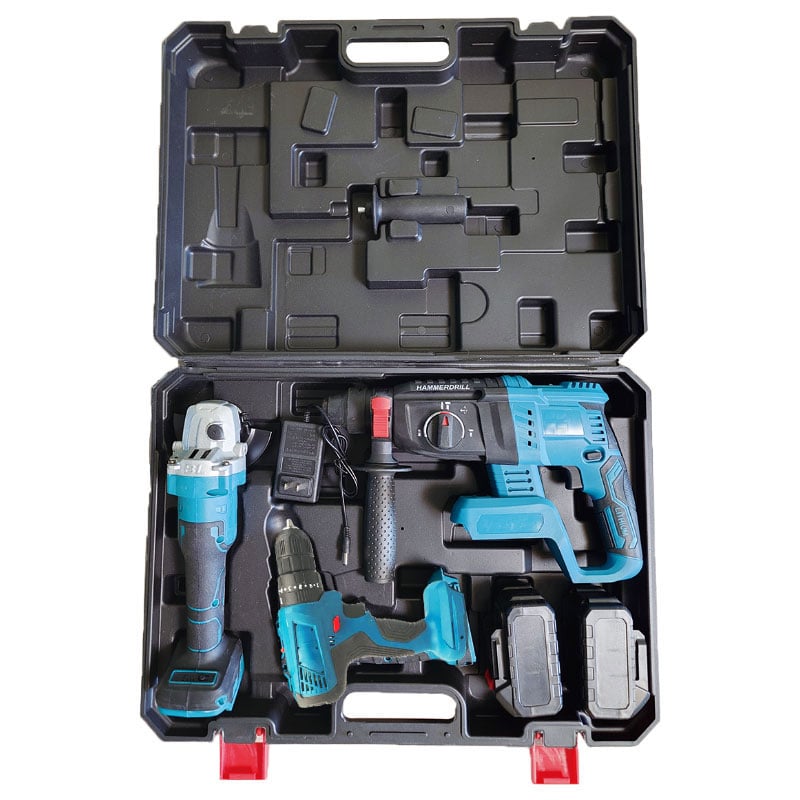
Building a reliable power tools set is one of the most important investments for any professional tradesperson, contractor, or serious DIY enthusiast. A well-rounded power tools set provides the foundation for tackling diverse projects efficiently and safely, from basic home repairs to complex construction work. Understanding which components belong in your power tools set ensures you invest in the right equipment rather than purchasing duplicates or unnecessary items. The right combination of tools transforms your workflow, improves precision, and significantly reduces project completion time. Whether you're outfitting a new workshop or upgrading an existing cordless tool kit, knowing the essential components will guide your purchasing decisions and maximize your return on investment.
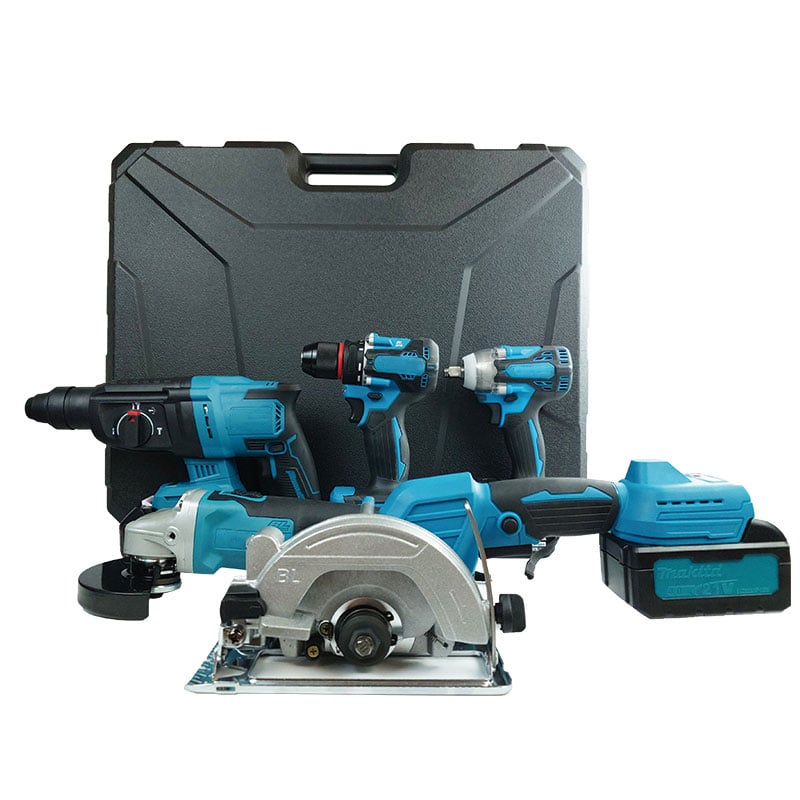
A comprehensive power tools set typically combines cutting, fastening, and finishing capabilities to handle most common applications. The specific components you'll need depend on your industry, project types, and work environment. Professional contractors often prioritize portability and durability, while hobbyists may focus on versatility and ease of use. A well-structured portable tool kit balances functionality with practicality, allowing you to carry and deploy tools efficiently across different job sites. This guide explores the core components that should be part of your power tools set and explains why each one matters for professional-grade results.
Core Fastening and Driving Tools
Impact Drivers and Drill-Drivers
An power tools set should include both an impact driver and a conventional drill-driver to handle the widest range of fastening tasks. Impact drivers deliver concentrated rotational force ideal for driving large fasteners and screws through tough materials, while drill-drivers excel at precision boring and lighter driving applications. Modern cordless tool kits have eliminated the need for corded versions in most scenarios, offering superior mobility and site accessibility. The combination ensures you're not forced to improvise when facing different material types or fastener sizes. Many professional hand tool collections prioritize impact drivers first because their concentrated force reduces user fatigue and speeds up repetitive fastening work significantly.
Rotary Hammers and Hammer Drills
For heavy-duty applications involving concrete, masonry, or dense materials, a rotary hammer or hammer drill is essential to any industrial-grade portable tool kit. Rotary hammers provide genuine pneumatic hammer action combined with rotation, penetrating hardened surfaces that standard drills cannot efficiently handle. Hammer drills offer a lighter-duty alternative suitable for occasional concrete work and general construction. Without this capability, your cordless tool kit would fall short for renovation projects, anchor installation, or structural repair work. Including this component prevents costly delays when unexpected concrete cutting becomes necessary on complex projects.
Cutting and Material Removal Components
Circular Saws and Reciprocating Saws
Cutting capacity is non-negotiable in any professional power tools set, making circular saws and reciprocating saws fundamental components. Circular saws deliver clean, straight cuts through lumber, plywood, and composite materials with speed and precision, while reciprocating saws handle demolition, irregular cuts, and branch trimming through their aggressive back-and-forth blade motion. A comprehensive portable tool kit includes at least one of each because they serve distinctly different purposes that cannot be easily combined. Many contractors consider reciprocating saws particularly valuable because they excel at destructive work where precision matters less than speed and aggressive removal. Having both tools in your professional hand tool collection ensures optimal cutting capability regardless of material type or project phase.
Angle Grinders and Cutoff Tools
Angle grinders and cutoff tools represent the versatile cutting and grinding dimension of any advanced power tools set. These tools handle metal cutting, surface grinding, rust removal, and finishing work that other tools in your cordless tool kit simply cannot address efficiently. Angle grinders particularly shine when working with steel, rebar, or ceramic tiles where precision and speed matter equally. Professional hand tool collections recognize that grinding and cutoff capabilities distinguish experienced contractors from those with basic toolkits. A quality angle grinder expands your project scope immediately and opens opportunities for specialty work that commands premium pricing.
Fastening, Finishing, and Accessory Tools
Brad Nailers and Finish Nailers
A complete power tools set includes pneumatic or electric brad nailers and finish nailers for precise fastening in trim, cabinetry, and fine finishing applications. These specialized fastening tools create smaller holes than traditional nails, leaving minimal visual impact while providing excellent holding power. Including these in your portable tool kit transforms your capability to tackle finish carpentry, cabinetry installation, and decorative trim work that standard fasteners cannot address properly. Many professional hand tool collections treat finish nailers as essential because they dramatically improve the visual quality of completed projects. The availability of battery-powered versions now makes adding these to your cordless tool kit practical without dedicated air compression systems.
Sanders and Polishers
Surface finishing demands dedicated equipment, making orbital sanders, belt sanders, and detail sanders essential components of any comprehensive power tools set. Sanders rapidly prepare surfaces for finishing, remove paint, smooth rough lumber, and create consistent surface texture across large areas. Without proper sanding capability in your portable tool kit, you'll struggle with refinishing work and surface preparation that directly impacts final project quality. A professional hand tool collection recognizes that sanding efficiency reduces project timelines considerably while improving aesthetic outcomes. Including multiple sanding types in your cordless tool kit ensures you can address everything from broad deck refinishing to detailed trim preparation without workarounds.
FAQ
What defines a truly professional-grade cordless tool kit?
A professional-grade cordless tool kit combines high-torque motors, battery redundancy, interchangeable chuck systems, and durability ratings suitable for daily commercial use. Professional tools typically feature brushless motor technology, extended runtime batteries, and reinforced housings designed to withstand harsh job site conditions. Many contractors prioritize cordless options because they eliminate extension cord management, improve accessibility in tight spaces, and reduce downtime associated with corded equipment. A genuine professional hand tool collection invests in premium battery systems because downtime costs money on active job sites, making reliable power essential.
How should I prioritize components when starting my power tools set?
Prioritize fastening tools first because they address the majority of common tasks in most projects, then add cutting capability appropriate to your primary work type. Your first portable tool kit should include an impact driver, drill-driver, and circular saw as foundational components, expanding from there based on specific project demands. Many successful contractors recommend building your cordless tool kit gradually, adding specialized tools as projects specifically require them rather than purchasing everything simultaneously. This approach prevents investing in rarely-used equipment while ensuring your professional hand tool collection evolves to match your actual work demands precisely.
Can I maintain a single compact portable tool kit or do I need redundancy?
Successful professionals typically maintain multiple cordless tools plus spare batteries because downtime during active projects creates cascading costs that justify equipment redundancy. A compact portable tool kit works for occasional homeowners, but commercial contractors require backup equipment to maintain continuous productivity when tools require charging or service. Your power tools set investment should include spare batteries, backup tools for high-wear items, and charging systems that support simultaneous multi-battery operation. Professional hand tool collections recognize that redundancy transforms a portable tool kit from hobby equipment into truly reliable commercial infrastructure that minimizes productivity disruptions.