
 EN
EN
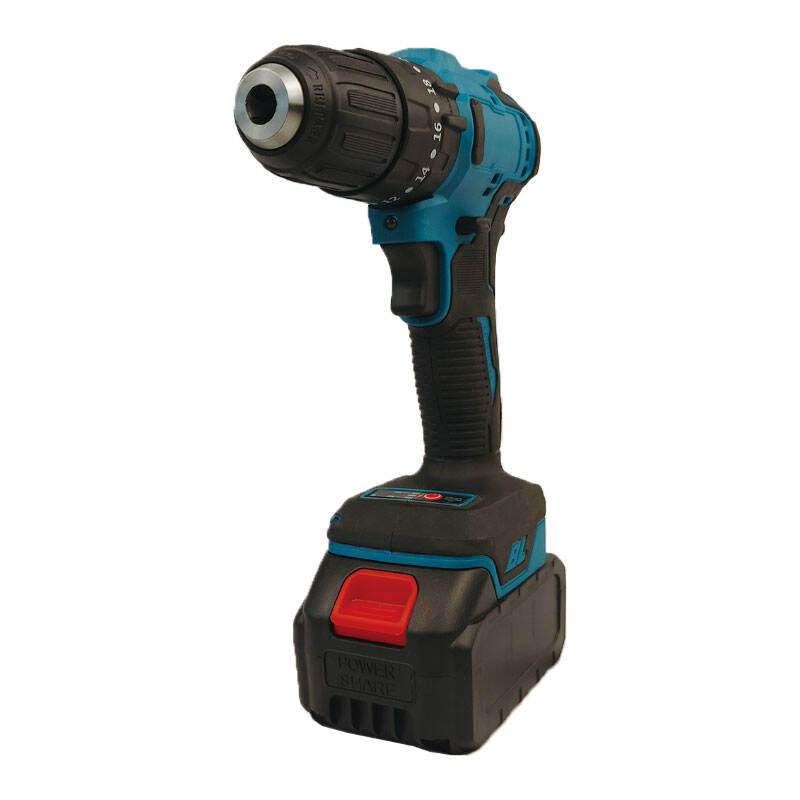
Selecting the right cordless impact drill can make the difference between effortless project completion and frustrating delays. These versatile power tools have revolutionized construction, woodworking, and DIY projects by combining portability with impressive torque capabilities. Understanding the key features and specifications will help you invest in equipment that delivers consistent performance across various applications. Modern cordless impact drill technology offers unprecedented convenience while maintaining the power needed for demanding tasks.
Understanding Battery Technology and Power Requirements
Lithium-Ion Battery Advantages
Lithium-ion batteries represent the gold standard for cordless power tools due to their superior energy density and consistent voltage output. These advanced batteries maintain power delivery throughout the discharge cycle, ensuring your cordless impact drill performs at peak capacity until the battery requires recharging. Unlike older battery technologies, lithium-ion cells resist memory effect and provide longer operational lifespans with proper maintenance.
The lightweight nature of lithium-ion batteries significantly reduces operator fatigue during extended work sessions. Professional contractors particularly value this benefit when working overhead or in confined spaces where tool weight becomes a critical factor. Additionally, these batteries charge faster and retain their charge longer during storage periods, making them ideal for intermittent use scenarios.
Voltage Considerations for Different Applications
Voltage ratings directly correlate with the torque output and overall performance capabilities of your cordless impact drill. Lower voltage options, typically ranging from 12V to 18V, excel in light-duty applications such as assembling furniture or working with softer materials. These compact units offer excellent maneuverability and extended runtime for precision tasks.
Higher voltage models, often 20V and above, deliver the power necessary for heavy-duty construction applications. These robust tools can drive large fasteners into dense materials and handle demanding drilling operations without compromising speed or efficiency. Consider your typical project requirements when selecting voltage levels to ensure optimal performance without unnecessary weight or cost.
Torque Specifications and Performance Metrics
Maximum Torque Output Analysis
Torque specifications determine your cordless impact drill's ability to handle resistance when driving fasteners or drilling through challenging materials. Measured in inch-pounds or newton-meters, higher torque ratings indicate greater rotational force capability. Professional-grade models often feature torque ratings exceeding 1,500 inch-pounds, suitable for structural applications and heavy-duty fastening tasks.
Variable torque settings provide versatility across different material types and fastener sizes. Quality cordless impact drill models include multiple torque adjustment options, allowing operators to match power output to specific requirements. This precision prevents over-driving fasteners in delicate materials while ensuring adequate force for challenging applications.
Impact Rate and Speed Controls
Impact rate, measured in impacts per minute (IPM), indicates how frequently the tool delivers rotational strikes to overcome resistance. Higher impact rates generally translate to faster fastener installation and improved performance in dense materials. Most professional cordless impact drill models feature impact rates ranging from 2,500 to 4,000 IPM.
Variable speed triggers provide essential control over drilling and fastening operations. Two-speed transmissions offer additional versatility, with lower speeds ideal for precision work and higher speeds maximizing productivity in standard applications. Electronic speed control maintains consistent performance under varying load conditions, ensuring reliable operation across diverse project requirements.
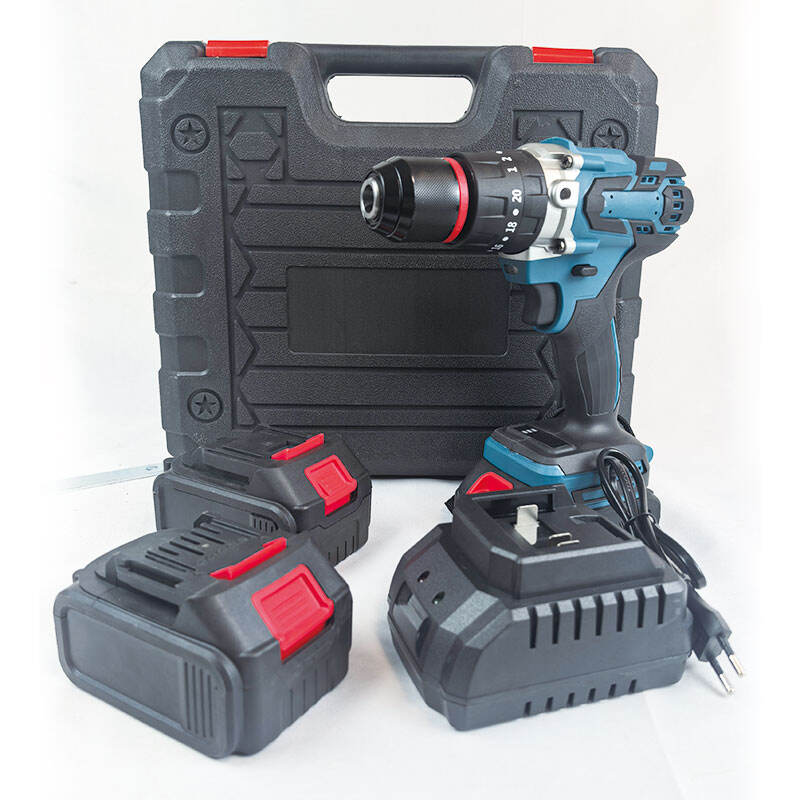
Ergonomics and Design Features
Handle Design and Grip Comfort
Ergonomic handle design significantly impacts operator comfort and control during extended use periods. Quality cordless impact drill models feature contoured grips with anti-slip surfaces that maintain secure handling even in challenging work environments. Rubberized grip zones reduce vibration transmission while providing tactile feedback for precise control.
Balanced weight distribution prevents wrist strain and reduces fatigue during overhead applications. Manufacturers optimize tool geometry to position the battery and motor assembly for neutral wrist positioning during normal operation. This attention to ergonomic detail enhances productivity while minimizing the risk of repetitive stress injuries.
LED Lighting and Visibility Enhancement
Integrated LED work lights illuminate the drilling area, improving accuracy and safety in dimly lit environments. Advanced lighting systems feature multiple LED arrays positioned to minimize shadows and provide uniform illumination. Some models include automatic activation that triggers lighting when the trigger is engaged, ensuring consistent visibility.
Extended runtime LED systems maintain illumination for several seconds after trigger release, allowing operators to inspect their work without additional lighting sources. This feature proves particularly valuable in confined spaces or when working in areas where external lighting is limited or unavailable.
Chuck Systems and Bit Compatibility
Hex Chuck Advantages
Hex chucks provide quick and secure bit changes without requiring additional tools or chuck keys. The quarter-inch hex standard ensures compatibility with a vast array of bits and accessories from multiple manufacturers. Spring-loaded mechanisms retain bits securely while allowing rapid exchanges during multi-step operations.
Magnetic bit holders enhance convenience by securing bits firmly during operation while facilitating one-handed bit changes. Some advanced cordless impact drill models feature quick-release mechanisms that combine the security of traditional chucks with the convenience of magnetic systems.
Accessory Compatibility and Versatility
Comprehensive accessory compatibility expands the utility of your cordless impact drill beyond basic drilling and fastening operations. Standard hex shanks accommodate drill bits, driver bits, hole saws, and specialized attachments for various applications. Quality bit sets often include step bits, spade bits, and masonry bits for diverse material requirements.
Socket adapters transform your impact drill into a versatile nut driver, suitable for mechanical assemblies and maintenance applications. These adapters maintain the tool's impact capability while providing the hex drive interface necessary for standard socket sets. Consider accessory availability when selecting your primary tool to ensure future expansion possibilities.
Build Quality and Durability Factors
Housing Materials and Construction
Robust housing construction protects internal components from jobsite hazards while maintaining tool longevity. Quality cordless impact drill models feature impact-resistant polymer housings reinforced with internal metal frameworks. These designs absorb shock from drops and impacts while providing protection against dust and moisture infiltration.
Sealed motor housings prevent contamination from fine particles that could compromise performance or reduce component lifespan. Professional-grade tools often include IP rating certifications indicating specific levels of protection against dust and water ingress. These ratings provide valuable guidance for selecting tools appropriate for challenging work environments.
Motor Technology and Longevity
Brushless motor technology offers superior efficiency, reduced maintenance requirements, and extended operational life compared to traditional brushed motors. These advanced motors eliminate carbon brush wear while providing more precise speed control and higher torque output. The absence of physical brush contact reduces heat generation and extends battery runtime per charge.
Electronic motor controls optimize power delivery based on load conditions, preventing overheating and premature wear. Thermal protection systems automatically reduce power or shut down the tool when operating temperatures exceed safe limits. These protective features ensure reliable performance while preventing damage from demanding applications or extended use periods.
FAQ
What battery capacity should I choose for my cordless impact drill?
Battery capacity, measured in amp-hours (Ah), determines runtime between charges. For light-duty applications, 2.0Ah batteries provide adequate runtime while minimizing weight. Heavy-duty users should consider 4.0Ah or higher capacity batteries for extended operation. Higher capacity batteries do increase tool weight, so balance runtime needs against comfort requirements for your typical applications.
How important is the warranty coverage for cordless impact drills?
Comprehensive warranty coverage indicates manufacturer confidence in build quality and provides protection against defects or premature failure. Look for warranties covering both the tool and battery, with minimum coverage periods of three years for professional-grade equipment. Extended warranty options may be available for additional protection, particularly valuable for high-usage commercial applications.
Can I use different brand batteries with my cordless impact drill?
Battery compatibility is typically limited to the same manufacturer's product line due to proprietary connection systems and voltage management protocols. While third-party battery options may be available, using manufacturer-approved batteries ensures optimal performance, safety, and warranty compliance. Some manufacturers offer battery adapters for cross-platform compatibility within their tool ecosystem.
What maintenance is required for cordless impact drills?
Regular maintenance includes cleaning air vents, inspecting chuck operation, and monitoring battery performance. Store batteries at partial charge levels for extended periods and avoid complete discharge cycles. Lubricate chuck mechanisms periodically and inspect power connections for signs of wear or corrosion. Professional servicing may be required for internal component maintenance or repair of electronic systems.