
 EN
EN
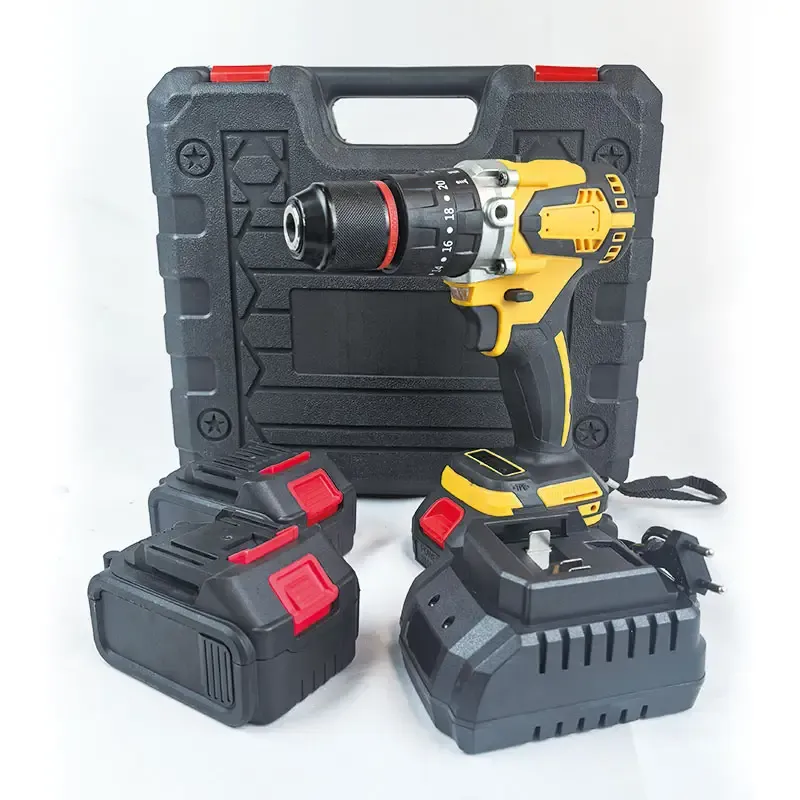
Industrial operations demand reliable, efficient, and versatile tools that can withstand rigorous daily use while maintaining consistent performance. The cordless impact drill has emerged as an indispensable piece of equipment in manufacturing facilities, construction sites, and maintenance operations worldwide. These powerful tools combine the portability of battery-powered operation with the high-torque capabilities needed for demanding industrial applications. Unlike traditional corded models, modern cordless impact drills offer unprecedented freedom of movement, allowing workers to access tight spaces and work at various heights without being constrained by power cord limitations.
Enhanced Mobility and Workspace Flexibility
Unrestricted Movement in Complex Work Environments
The most significant advantage of a cordless impact drill lies in its ability to provide complete mobility throughout industrial workspaces. Manufacturing facilities often feature complex layouts with machinery, conveyor systems, and structural elements that make running extension cords impractical or hazardous. Workers can navigate these environments freely, accessing elevated platforms, confined spaces, and remote areas without the constant concern of cord management. This mobility translates directly into improved productivity as technicians spend less time setting up power connections and more time focusing on their actual tasks.
Industrial maintenance teams particularly benefit from this enhanced mobility when servicing equipment located in areas with limited electrical access. Whether working on overhead cranes, inside machine housings, or in outdoor installations, the cordless design eliminates the need for lengthy extension cords that could pose trip hazards or require additional safety considerations. The result is safer, more efficient workflow that maintains consistent productivity levels regardless of work location.
Reduced Setup Time and Increased Efficiency
Traditional corded tools require significant setup time to locate power sources, run extension cords, and ensure proper electrical connections. This preparation phase can consume valuable work hours, particularly when moving between multiple job sites or work areas throughout a shift. Cordless impact drills eliminate these preliminary steps, allowing workers to begin tasks immediately upon arrival at their designated work location.
The time savings become even more pronounced during assembly line operations or repetitive maintenance procedures. Workers can move seamlessly from one workstation to another without disconnecting and reconnecting power sources. This continuous workflow optimization contributes to overall operational efficiency and helps meet production deadlines more consistently. Additionally, the absence of cords reduces the risk of workplace accidents caused by tripping hazards or electrical issues.
Superior Power Delivery and Performance Characteristics
Advanced Battery Technology and Extended Runtime
Modern cordless impact drill systems utilize cutting-edge lithium-ion battery technology that delivers consistent power output throughout the entire discharge cycle. Unlike older battery technologies that experienced significant power degradation as charge levels decreased, contemporary lithium-ion systems maintain steady torque and speed characteristics until the battery approaches complete depletion. This consistent performance ensures that the last fastener installed in a shift receives the same precise torque application as the first.
Industrial-grade batteries now offer extended runtime capabilities that can sustain full-shift operations without requiring mid-day charging breaks. High-capacity battery packs combined with efficient motor designs allow workers to complete entire projects or maintenance cycles on a single charge. Many professional models include rapid charging systems that can restore battery capacity during standard break periods, ensuring minimal downtime and maintaining continuous productivity levels throughout extended work schedules.
Variable Speed Control and Precision Applications
Industrial applications often require precise speed control to accommodate different materials, fastener types, and operational requirements. Quality cordless impact drills feature sophisticated variable speed triggers that provide fine control over rotational speed, allowing operators to match tool performance to specific application needs. This precision capability is essential when working with delicate components or when specific torque requirements must be met.
The impact function itself provides significant advantages in industrial settings by delivering high-torque bursts that can drive fasteners through challenging materials or remove seized bolts that would be impossible to handle with standard drills. This combination of variable speed control and impact functionality makes these tools exceptionally versatile for diverse industrial applications, from precision assembly work to heavy-duty maintenance tasks.
Cost-Effectiveness and Long-Term Value
Reduced Infrastructure and Electrical Requirements
Implementing cordless impact drill systems in industrial environments eliminates the need for extensive electrical infrastructure investments. Facilities no longer require multiple power outlets throughout work areas or expensive electrical upgrades to support tool operations. This reduction in electrical infrastructure requirements translates to significant cost savings during facility construction or renovation projects.
The absence of electrical infrastructure also simplifies facility layout planning and provides greater flexibility for future workspace modifications. When production lines need reconfiguration or equipment relocation, cordless tools adapt seamlessly without requiring electrical work or outlet repositioning. This flexibility proves invaluable in dynamic manufacturing environments where operational efficiency depends on the ability to quickly adapt to changing production requirements.
Lower Maintenance and Operational Costs
Cordless impact drill systems typically require less maintenance than their corded counterparts due to the absence of power cords that can suffer damage from industrial environments. Cords frequently experience wear, cuts, or electrical damage that requires replacement or repair, contributing to ongoing maintenance expenses. Battery-powered systems eliminate these concerns while reducing the overall maintenance burden on facility management teams.
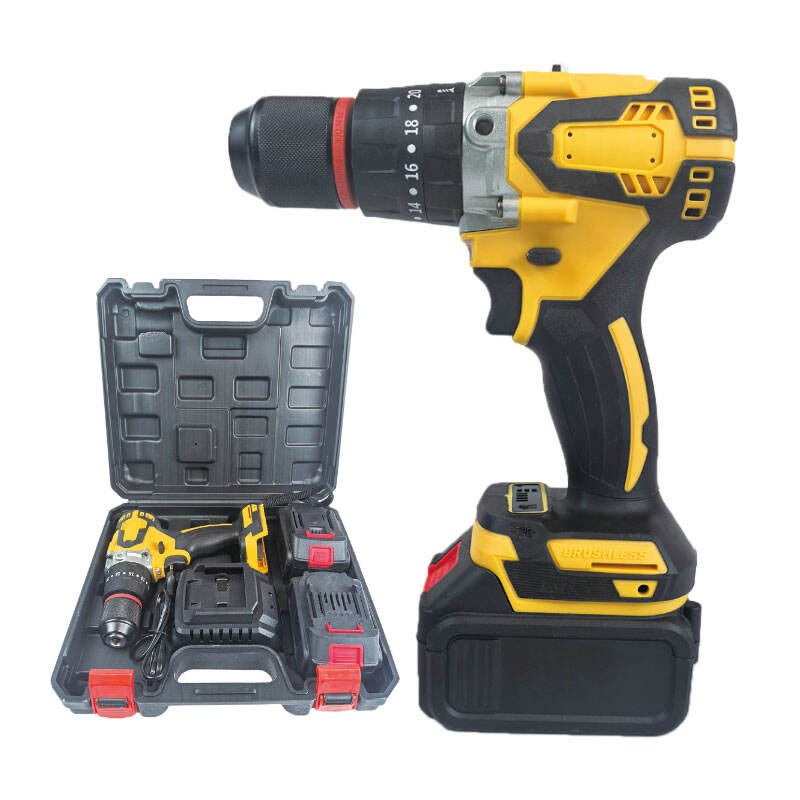
Modern battery management systems include sophisticated charging algorithms that optimize battery life and prevent common issues such as overcharging or deep discharge damage. These intelligent charging systems help maximize battery lifespan, reducing replacement costs and ensuring consistent tool availability. Many industrial cordless impact drill models also feature brushless motor technology that extends tool life by eliminating carbon brush wear and reducing internal friction.
Safety Enhancements and Risk Mitigation
Elimination of Electrical Hazards
Industrial environments often present elevated electrical safety risks due to moisture, metal surfaces, and complex machinery that can create dangerous conditions for corded tools. Cordless impact drills eliminate many of these electrical hazards by operating on low-voltage battery systems that pose minimal shock risk to operators. This safety enhancement is particularly important in manufacturing environments where workers may encounter water, oil, or other conductive substances during normal operations.
The absence of power cords also eliminates risks associated with damaged insulation, exposed wiring, or improper electrical connections that could create shock hazards or fire risks. Battery-powered operation provides an additional layer of safety isolation that helps protect workers from electrical accidents while maintaining full tool functionality and performance capabilities.
Reduced Trip and Entanglement Hazards
Power cords in industrial environments create significant trip hazards and can become entangled with moving machinery, creating dangerous situations for workers and equipment. Cordless impact drills eliminate these hazards entirely, contributing to safer work environments and reducing liability risks for facility operators. The improved safety profile translates to fewer workplace accidents and associated costs.
In confined spaces or elevated work areas, cord-free operation becomes even more critical for worker safety. Technicians working on platforms, ladders, or inside equipment housings face fewer hazards when using cordless tools, as they don't need to manage potentially dangerous cord routing or worry about cords becoming caught on protruding objects or machinery components.
Versatility and Application Range
Multi-Material Compatibility
Industrial cordless impact drill systems excel at handling diverse material types commonly encountered in manufacturing and maintenance applications. From soft materials like aluminum and plastics to hardened steel and stainless steel components, these tools provide the torque characteristics needed for reliable fastening across a wide range of substrates. Variable speed control allows operators to optimize performance for specific material combinations.
The impact function proves particularly valuable when working with challenging materials or applications that require high initial torque to overcome static friction. This capability makes cordless impact drills ideal for maintenance operations involving seized or corroded fasteners that would be difficult or impossible to remove with standard drilling tools.
Accessory System Integration
Professional-grade cordless impact drill systems support extensive accessory ecosystems that expand functionality beyond basic drilling and driving applications. Specialized chuck systems accommodate various bit types, while accessory attachments enable operations such as wire brushing, polishing, and light grinding tasks. This versatility reduces the number of different tools required for complex industrial operations.
Many manufacturers offer battery platform compatibility across multiple tool types, allowing facilities to standardize on a single battery system that powers drills, saws, grinders, and other cordless tools. This standardization simplifies battery management, reduces inventory requirements, and provides operational flexibility when tools need to be shared between different work teams or applications.
FAQ
How long do batteries typically last in industrial cordless impact drills
Modern lithium-ion batteries in industrial cordless impact drills typically provide 4-8 hours of continuous operation depending on application intensity and battery capacity. High-capacity battery packs can sustain full-shift operations for most industrial applications, while rapid charging systems can restore 80% battery capacity in 30-60 minutes during breaks.
Can cordless impact drills match the power output of corded models
Yes, current generation cordless impact drills can match or exceed the power output of equivalent corded models. Advanced brushless motor technology and high-capacity lithium-ion batteries enable these tools to deliver consistent high-torque performance throughout the battery discharge cycle, making them suitable for the most demanding industrial applications.
What maintenance is required for cordless impact drill battery systems
Battery maintenance primarily involves following proper charging procedures and storing batteries in appropriate temperature ranges. Modern battery management systems handle most maintenance functions automatically, but users should avoid deep discharge cycles and store batteries at partial charge levels when not in use for extended periods.
Are cordless impact drills suitable for heavy-duty industrial applications
Absolutely, professional-grade cordless impact drills are specifically designed for heavy-duty industrial use. They feature robust construction, high-torque motors, and impact mechanisms capable of handling demanding applications including structural fastening, equipment maintenance, and assembly operations in challenging industrial environments.