
 EN
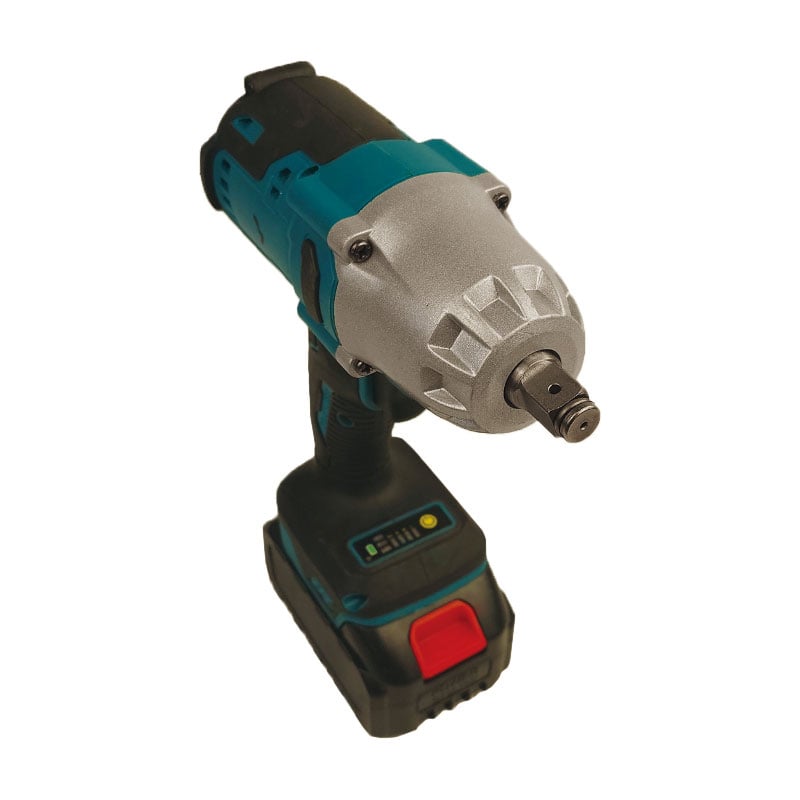
Corrosion is one of the most significant threats to tool longevity, and protecting your wrench from rust and oxidation is essential for maintaining performance and safety on the job site. Whether you work with an adjustable wrench, socket wrench, or pipe wrench, understanding how corrosion prevention works will help you maximize your investment and ensure your tools remain reliable for years to come. Metal wrenches are particularly vulnerable to moisture, salt exposure, and environmental degradation, which is why selecting tools with proper protective coatings and implementing sound maintenance practices is critical.
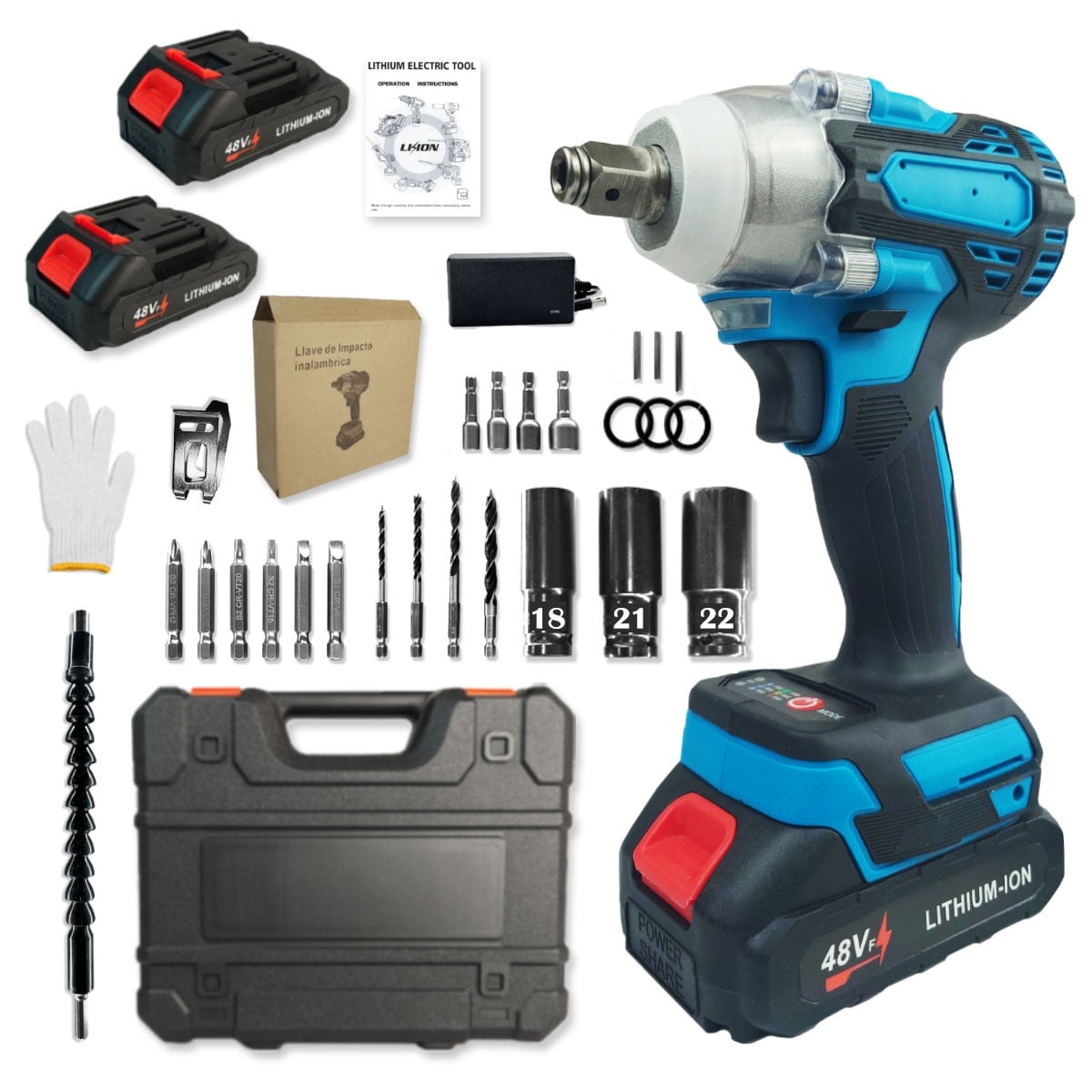
Corrosion prevention begins at the manufacturing stage and extends through proper storage and maintenance throughout the tool's life. Modern industrial wrench designs incorporate multiple protective layers including chromium plating, nickel finishes, and advanced rust-resistant coatings that shield the base metal from harmful environmental factors. The choice between an adjustable wrench, socket wrench, and pipe wrench often influences which protection methods are most suitable, as each design presents unique exposure patterns and maintenance requirements that professionals must understand to protect their tools effectively.
Understanding Corrosion Mechanisms in Metal Wrenches
How Rust Forms on Unprotected Metal
Corrosion occurs when metal undergoes an electrochemical reaction with oxygen and moisture in the air, forming metal oxides that weaken the material and compromise tool integrity. An adjustable wrench or socket wrench left in humid conditions will develop surface rust within days if unprotected, while a pipe wrench used in marine or salt-water environments deteriorates even faster due to the conductive properties of salt ions. Understanding this process is fundamental to selecting and maintaining wrenches that will resist degradation and maintain their functional accuracy over extended service periods.
Environmental Factors Affecting Tool Degradation
Multiple environmental factors accelerate corrosion rates, including humidity levels, temperature fluctuations, salt content in the air, and direct contact with corrosive materials on job sites. Industrial workers using an adjustable wrench in coastal areas face significantly higher corrosion risks than those working inland, while indoor factory use of a socket wrench demands different protection strategies than outdoor construction work with a pipe wrench. Weather exposure, condensation accumulation, and improper storage in damp locations are leading contributors to premature tool failure and costly replacement expenses.
Protective Coating Technologies for Enhanced Durability
Chromium Plating and Nickel Finishes
Chromium plating remains the industry standard for wrench protection, creating a hard, corrosion-resistant surface layer that prevents moisture and oxygen from reaching the underlying steel. A socket wrench with quality chrome plating can resist rust formation for years, even in challenging environments, while nickel finishes provide excellent protection by forming a durable barrier against corrosive attack. These traditional coating methods have proven effective across industrial applications, offering reliable protection for adjustable wrenches, pipe wrenches, and specialty tools used in demanding manufacturing and construction environments. The thickness of the coating directly impacts longevity, with heavier plating providing superior protection against wear and corrosion exposure.
Advanced Polymer and Ceramic Coatings
Modern wrench manufacturers increasingly apply advanced polymer and ceramic coating technologies that exceed traditional chrome plating performance in many applications. These specialized coatings create multiple protective layers that resist salt spray, chemical exposure, and extreme temperature variations more effectively than conventional finishes. An adjustable wrench or pipe wrench treated with advanced coatings demonstrates enhanced performance in aggressive industrial environments, reducing maintenance frequency and extending tool service life significantly. The innovation in coating technology reflects the growing demand for tools that withstand harsh conditions while maintaining dimensional accuracy and user safety standards.
Maintenance Practices for Long-Term Wrench Protection
Storage and Environmental Control Strategies
Proper storage is critical to maintaining the protective qualities of your wrench investment, as moisture accumulation and temperature fluctuations accelerate corrosion even when tools possess quality coatings. Tools should be stored in climate-controlled environments with low humidity levels, ideally in protective cases or toolboxes lined with moisture-absorbing materials. A socket wrench left exposed to overnight dew or stored in damp basements will develop surface corrosion, while an adjustable wrench kept in a dry, climate-controlled facility remains protected for extended periods. Professional tool management systems implement organized storage protocols that minimize environmental exposure, ensuring that each wrench in the collection receives consistent protection and inspection.
Cleaning, Oiling, and Preventive Care
Regular cleaning removes moisture, dirt, and corrosive residues that accumulate during job site use, while light oiling creates an additional protective barrier between the tool surface and environmental contaminants. After each use, especially when working in wet or corrosive environments, a pipe wrench should be wiped clean with a dry cloth and lightly oiled with rust-preventive compounds. An adjustable wrench or socket wrench stored for extended periods benefits from preventive coating applications that maintain surface protection without interfering with tool function or safety. Periodic inspection for early-stage corrosion allows workers to address minor issues before they progress to functional compromise, extending tool life and reducing replacement costs significantly. Professional maintenance routines incorporate scheduled oiling, cleaning protocols, and protective coating reapplications that preserve tool integrity throughout extended service lifecycles.
FAQ
What is the most effective corrosion prevention method for industrial wrenches?
The most effective approach combines quality protective coatings applied during manufacturing with proper maintenance practices including regular cleaning, oiling, and controlled storage environments. While chromium plating and advanced polymer coatings provide excellent base-level protection, consistent user maintenance through drying, oiling, and environmental control extends tool life far beyond what coating alone can achieve. Professional operations implement comprehensive tool management systems that address both manufacturing protection and ongoing maintenance requirements.
How often should I apply protective oils to my wrench collection?
Application frequency depends on usage intensity and environmental conditions, but general best practices recommend oiling tools after each use in wet or corrosive environments and monthly for tools stored indoors. A pipe wrench used regularly in marine applications requires more frequent oiling than an adjustable wrench in climate-controlled factory settings. Monitoring tool surfaces for early-stage corrosion signs indicates when preventive oiling sessions are needed, and professionals typically establish quarterly or semi-annual coating reapplication schedules as part of comprehensive maintenance routines.
Can corroded wrenches be restored to original condition?
Minor surface corrosion can be partially reversed through professional cleaning and restoration processes, though damage to protective coatings may require re-plating to restore full protection. A socket wrench with heavy rust accumulation may regain functional capacity through cleaning and oiling, but dimensional accuracy and coating integrity could be compromised. Severe corrosion typically indicates tool replacement is more cost-effective than restoration, which is why prevention through proper maintenance and storage remains significantly more valuable than attempting to reverse advanced corrosion damage.