
 EN
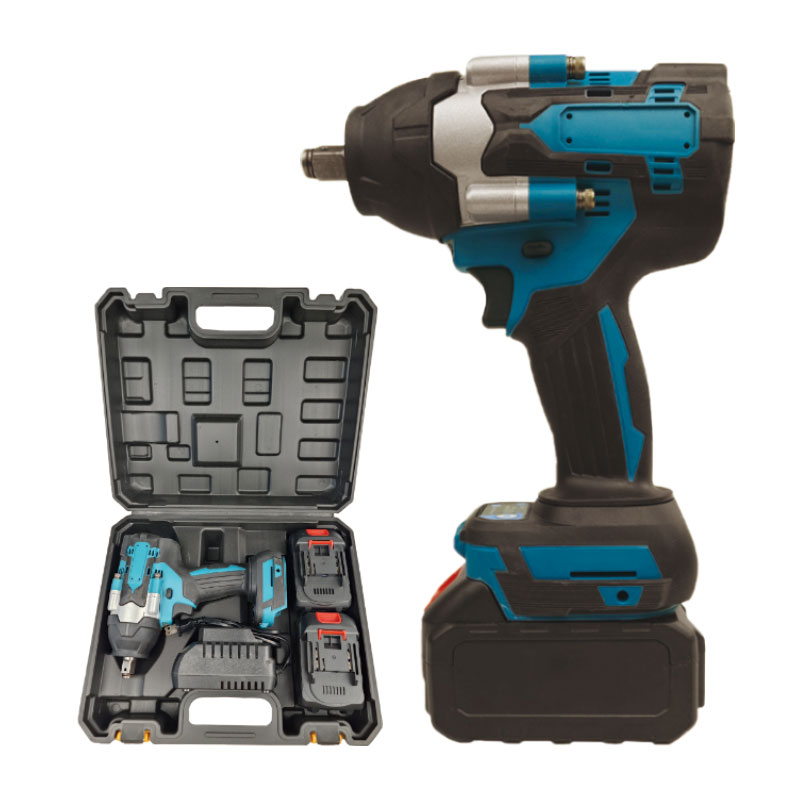
Knowing when to replace a damaged wrench is essential for maintaining safety and efficiency in your workshop or job site. A compromised wrench can slip during use, strip fasteners, cause injuries, or fail entirely at critical moments. Rather than continuing to use a deteriorating tool, understanding the signs of damage helps you make timely replacement decisions that protect both your work quality and your safety. This guide walks through the key indicators that signal when a wrench needs to be retired from service.
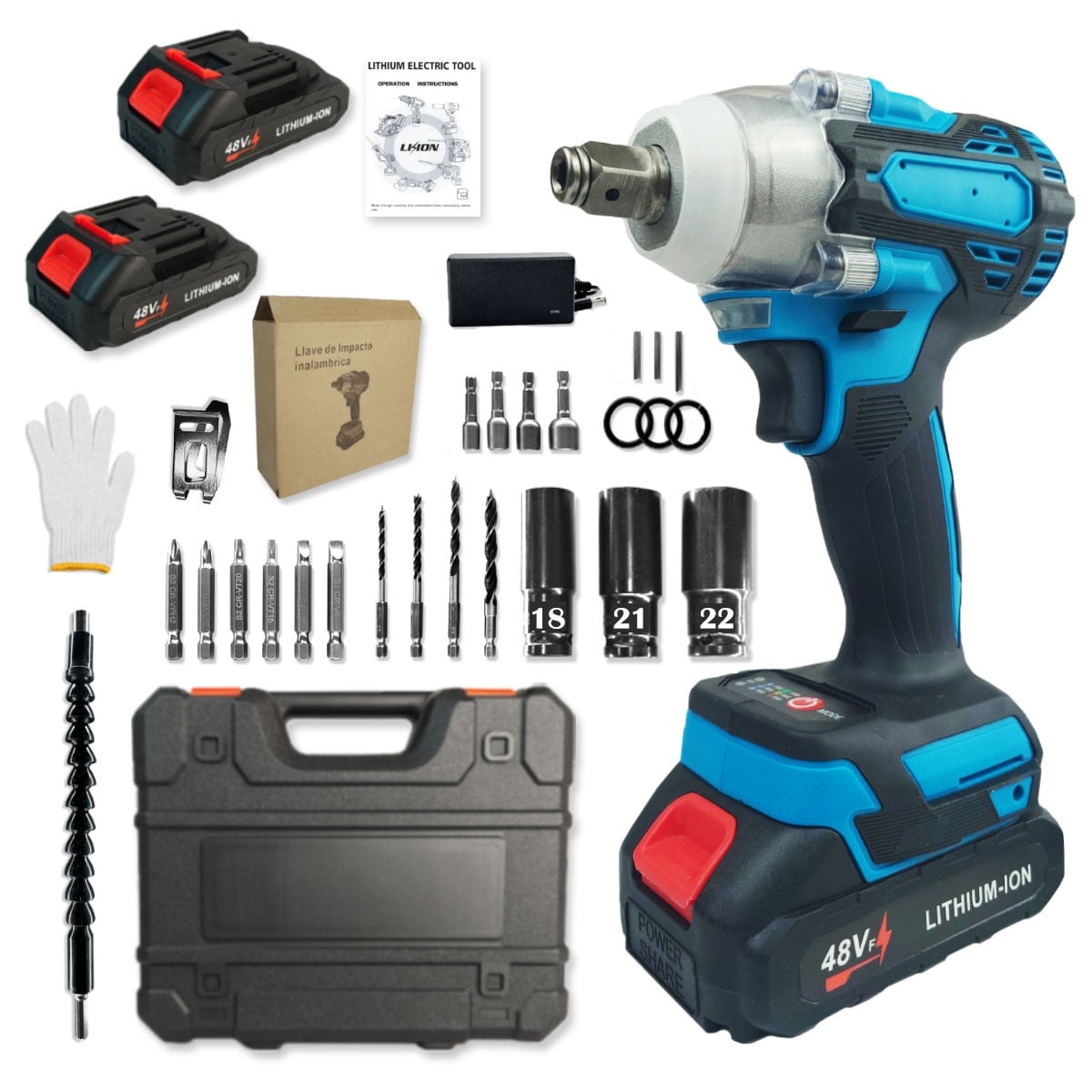
Different types of wrenches face different failure modes. An adjustable wrench may develop a loose jaw mechanism, while a socket wrench can crack under torque stress, and a pipe wrench might lose its grip teeth. Each tool type requires distinct inspection criteria and replacement thresholds. By learning to evaluate these specific conditions, you can determine whether a tool can be safely continued in service or should be discarded.
Physical Damage and Structural Integrity
Visible Cracks and Metal Fatigue
Cracks in the metal body of any wrench are a clear sign of replacement. These cracks indicate metal fatigue that weakens the entire structure, making the tool prone to sudden failure under load. Even hairline cracks that appear minor can propagate rapidly, especially in high-stress applications. When you spot a crack during inspection, do not attempt to repair it through welding or other means, as the repaired area will not restore the original strength specification. Replace the wrench immediately to avoid tool failure during critical work.
Bent or Deformed Heads
A bent wrench head compromises grip and alignment on fasteners, leading to stripped bolts and potential slip-offs. If bending occurred from misuse or excessive force, the metal has likely lost tempering and structural uniformity. While minor bends might seem fixable, attempting to straighten a wrench by force can cause new fractures. For an adjustable wrench with a bent jaw or a socket wrench with deformed geometry, replacement ensures you maintain consistent fastener engagement and prevent damage to both the tool and the workpiece.
Wear Indicators and Functional Decline
Jaw Looseness in Adjustable Models
An adjustable wrench that no longer maintains its set position is no longer reliable. When the movable jaw becomes loose and slips during turning, it indicates internal wear or stripped threads in the adjustment mechanism. This slippage can cause the wrench to suddenly release, damaging fasteners or causing hand injury. Test your adjustable wrench by setting it on a bolt and applying gentle pressure; if the jaw moves noticeably, replacement is warranted. A loose jaw cannot be tightened back to factory specifications, so continued use only compounds the risk.
Rounded or Worn Grip Surfaces
The gripping surfaces of a socket wrench or pipe wrench eventually wear smooth from repeated use. Rounded teeth on a pipe wrench or worn contact faces on a socket wrench reduce grip strength and increase slip probability. These worn surfaces cannot regain their holding power through maintenance, and attempting to increase pressure to compensate only accelerates additional wear. When grip surfaces show significant flattening or loss of definition, a replacement wrench will restore proper engagement and reduce fastener damage risk.
Safety-Critical Failure Modes
Rust, Corrosion, and Material Weakness
Severe corrosion or rust penetration creates hidden structural weakness and compromises the wrench's load-bearing capacity. While light surface rust can often be cleaned, deep pitting or widespread corrosion indicates material loss that reduces the tool's strength below safe operating standards. Corroded metal is brittle and prone to sudden fracture, especially under high torque. If you cannot easily remove rust by light cleaning and the underlying metal shows pitting or significant discoloration, retirement and replacement are the safer choice.
Improper Sizing or Stripped Bolt Contact
A wrench that no longer fits snugly on its intended fastener size has effectively become unsafe. Whether due to wear, damage, or manufacturing deviation, a loose fit causes fastener stripping and reduces your control over the tool. Socket wrenches with damaged drives, adjustable wrenches with excessive jaw clearance, or pipe wrenches that won't hold diameter all fall into this category. Replace any wrench that cannot maintain secure contact with the fasteners you are working with, as forcing a poor fit only causes further damage.
FAQ
How often should a wrench be inspected for damage?
Inspect your wrench before each use, especially if it has been dropped, subjected to heavy force, or exposed to harsh environments. A quick visual check and functional test take only seconds and can prevent safety incidents. Monthly deeper inspections are recommended for frequently used tools, checking for cracks, corrosion, and wear indicators that might not be obvious during routine use.
Can a damaged adjustable wrench be repaired instead of replaced?
Minor cosmetic damage like small dents may not require replacement, but functional damage to the jaw mechanism, adjustment threads, or handle structure cannot be reliably repaired. Attempted repairs often create new failure points and void any warranty or quality assurance. A new adjustable wrench is more cost-effective and safer than repair attempts that may not restore full functionality.
What is the typical lifespan of a quality wrench?
A well-maintained quality wrench can last decades or even a lifetime if used correctly and stored properly. The determining factor is not time but usage intensity and damage history. A wrench that receives moderate use and proper care will outlast one subjected to abuse, high-stress applications, or corrosive environments. Rather than planning on a specific lifespan, base your replacement decision on the damage and wear indicators outlined in this guide.