
 EN
EN
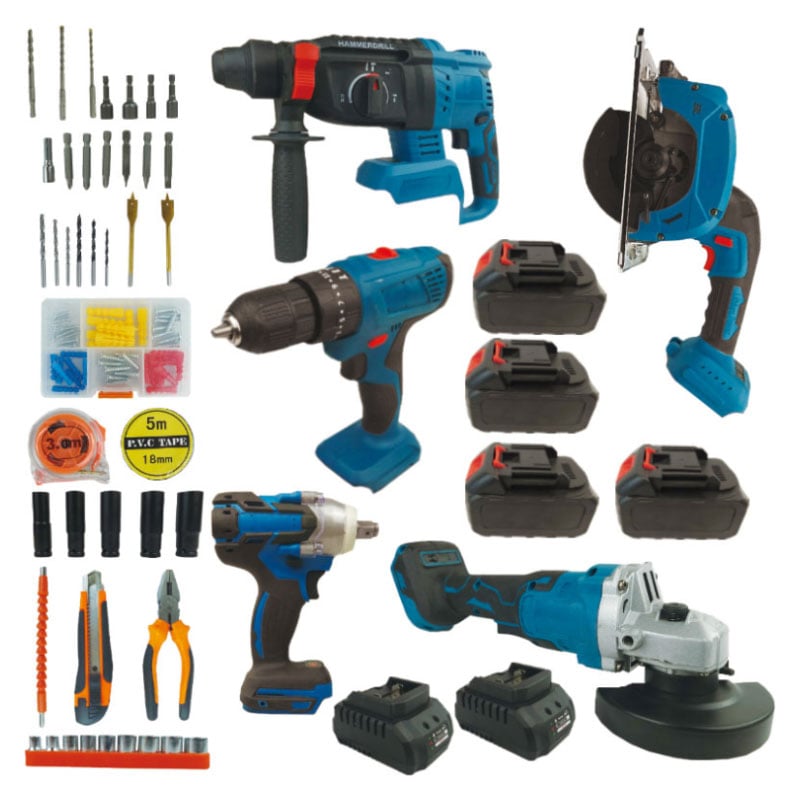
Proper maintenance is the cornerstone of maximizing your impact wrench performance and longevity. Whether you're a professional mechanic or a dedicated DIY enthusiast, understanding how to care for this essential power tool can save you hundreds of dollars in replacement costs while ensuring consistent, reliable operation. An impact wrench represents a significant investment in your toolkit, and with the right maintenance approach, it can serve you faithfully for years to come.
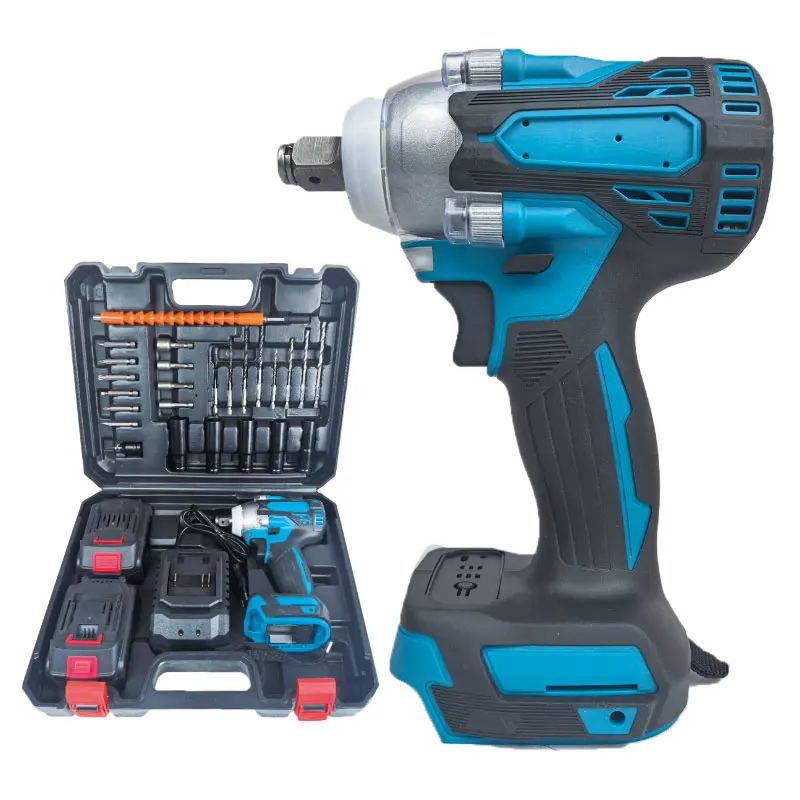
The key to extending tool life lies in developing consistent maintenance habits that address both the mechanical and electrical components of your impact wrench. These practices not only prevent premature wear but also maintain the tool's torque output and operational efficiency. Regular maintenance also helps identify potential issues before they become costly repairs, ensuring your impact wrench remains a dependable part of your professional or personal workshop arsenal.
Essential Cleaning Procedures for Impact Wrench Longevity
Daily Cleaning Protocols
After each use session, your impact wrench requires immediate attention to prevent debris accumulation and moisture retention. Start by disconnecting the power source, whether removing the battery pack or unplugging the cord, then use compressed air to blow out dust, metal shavings, and other particles from the tool's exterior vents and crevices. Pay special attention to the chuck area where debris commonly accumulates during operation.
Wipe down all external surfaces with a clean, dry cloth, followed by a slightly damp cloth if necessary to remove stubborn grime. Avoid using harsh chemicals or solvents that might damage plastic components or rubber seals. The goal is to maintain clean air passages and prevent contaminants from entering the internal mechanisms that could compromise your impact wrench performance over time.
Deep Cleaning Techniques
Weekly or monthly deep cleaning sessions, depending on usage frequency, involve more thorough procedures that address internal components accessible without disassembly. Remove the battery or disconnect power, then carefully open any serviceable panels according to manufacturer guidelines. Use a small brush with soft bristles to clean around the motor housing and gear assembly areas.
For stubborn deposits, use a slightly damp cotton swab with isopropyl alcohol to clean contact points and electrical connections. This process helps maintain optimal conductivity and prevents corrosion that can affect your impact wrench functionality. Always ensure all components are completely dry before reassembly and never attempt to clean internal areas that require tool disassembly beyond manufacturer recommendations.
Lubrication Strategies for Optimal Performance
Identifying Lubrication Points
Understanding where and when to apply lubricants is crucial for maintaining your impact wrench efficiency and preventing premature component wear. The anvil mechanism, being the primary power transfer point, requires regular attention with appropriate impact-rated grease. Most quality impact wrenches feature grease fittings or access points specifically designed for maintenance lubrication.
Check your owner's manual for specific lubrication points, which typically include the hammer mechanism, planetary gear system, and any accessible bearing surfaces. Some models feature sealed units that require professional service, while others allow user maintenance. The chuck mechanism also benefits from occasional light lubrication to ensure smooth socket retention and release functionality.
Proper Lubricant Selection
Choosing the correct lubricant type significantly impacts your impact wrench longevity and performance consistency. High-temperature, lithium-based greases work best for impact applications because they maintain viscosity under the extreme conditions generated during operation. Avoid general-purpose lubricants that may break down under impact forces or temperature extremes.
Apply lubricants sparingly, as excess grease can attract debris and actually impede performance. A small amount of quality lubricant applied correctly provides better protection than over-lubrication with inferior products. For cordless models, ensure any lubricant used is compatible with the tool's plastic and rubber components to prevent degradation of seals and gaskets.
Battery Care and Maintenance Best Practices
Charging Optimization Techniques
Modern cordless impact wrench tools rely heavily on battery health for consistent performance, making proper charging practices essential for tool longevity. Always use the manufacturer-specified charger and avoid leaving batteries on the charger indefinitely after reaching full capacity. Lithium-ion batteries benefit from partial discharge cycles rather than complete depletion before recharging.
Store batteries at approximately 40-60% charge when not in use for extended periods, and maintain storage temperatures between 32-77°F for optimal cell preservation. Temperature extremes during charging can reduce battery life and impact the overall performance of your impact wrench, so allow batteries to reach room temperature before charging if they've been exposed to extreme conditions.
Battery Storage and Handling
Proper battery storage extends both battery life and your impact wrench operational reliability over time. Clean battery terminals regularly with a dry cloth to prevent corrosion and ensure optimal electrical contact. Avoid dropping or subjecting batteries to impact forces, as internal cell damage may not be immediately apparent but can affect long-term performance.
Rotate multiple batteries if you own them, using each regularly rather than favoring one over others. This practice helps maintain consistent capacity across your battery fleet and ensures you always have reliable power available. Mark batteries with purchase dates to track aging and plan replacement schedules before performance degradation affects your work quality.
Preventive Maintenance Schedules and Inspections
Regular Inspection Protocols
Establishing a systematic inspection routine helps identify potential issues before they compromise your impact wrench reliability. Weekly visual inspections should cover power cord condition for corded models, checking for cuts, nicks, or exposed wiring that could pose safety hazards. Examine the housing for cracks or damage that might allow contaminants to enter internal mechanisms.
Test the chuck mechanism regularly by inserting and removing sockets to ensure smooth operation and proper retention. Listen for unusual noises during operation that might indicate bearing wear or internal damage requiring professional attention. Document any changes in performance characteristics, such as reduced torque output or longer time to complete standard tasks.
Professional Service Intervals
Even with diligent user maintenance, your impact wrench benefits from periodic professional servicing to address internal components and calibration requirements. Most manufacturers recommend professional service every 12-18 months for tools under heavy use, or every 2-3 years for occasional users. This service typically includes internal cleaning, gear inspection, and torque calibration verification.
Professional technicians can identify wear patterns and potential failure points that aren't visible during routine user maintenance. They also have access to specialized lubricants and replacement parts that ensure your impact wrench continues operating within manufacturer specifications. Keep service records to track maintenance history and identify any recurring issues that might indicate usage pattern adjustments needed.
Environmental Factors and Storage Considerations
Climate Control and Protection
Environmental conditions significantly impact impact wrench longevity, making proper storage and usage environment management crucial for tool preservation. High humidity accelerates corrosion of internal components, while extreme temperatures affect both mechanical tolerances and electronic components. Store your impact wrench in a climate-controlled environment whenever possible, using desiccant packs in tool cases if necessary.
Avoid leaving tools in vehicles where temperature extremes are common, as thermal cycling can affect seals, lubricants, and electronic components. When working in dusty or wet conditions, take extra precautions to protect air intakes and electrical connections. Consider using protective covers or cases during transport to prevent impact damage and environmental exposure.
Proper Storage Techniques
Correct storage practices preserve your impact wrench condition during periods of non-use and prevent damage from environmental factors or accidental impacts. Always store tools in their designated cases or on proper tool boards where they're protected from falling or being struck by other equipment. Remove batteries from cordless models during extended storage periods to prevent potential leakage damage.
Ensure storage areas are secure and organized to prevent theft while allowing easy access when needed. Good organization also reduces handling time and potential dropping incidents that can damage delicate internal mechanisms. Consider using tool foam inserts in cases to provide custom protection and quick identification of missing accessories or components.
Troubleshooting Common Issues Through Maintenance
Performance Degradation Solutions
When your impact wrench begins showing signs of reduced performance, systematic maintenance troubleshooting often resolves issues without requiring expensive repairs. Decreased torque output frequently results from insufficient lubrication in the hammer mechanism or debris accumulation in air passages. Clean all accessible areas thoroughly and relubricate according to manufacturer specifications.
Inconsistent operation or intermittent power delivery may indicate poor electrical connections or battery deterioration. Clean all contact points with appropriate solvents and check battery voltage under load conditions. Sometimes, seemingly complex problems have simple maintenance solutions that restore full functionality without professional intervention.
Preventive Problem Recognition
Learning to recognize early warning signs helps prevent minor issues from becoming major failures that could sideline your impact wrench indefinitely. Unusual vibrations during operation often indicate bearing wear or internal component loosening that maintenance attention can address before complete failure occurs. Changes in operating noise patterns frequently signal lubrication needs or debris accumulation.
Temperature increases during normal operation may indicate electrical issues or mechanical binding that requires immediate attention. By monitoring these subtle changes and responding with appropriate maintenance actions, you can often prevent catastrophic failures that would require expensive repairs or complete tool replacement.
FAQ
How often should I lubricate my impact wrench?
Lubrication frequency depends on usage intensity, but generally, light users should lubricate every 3-6 months while heavy users may need monthly attention. Always check manufacturer recommendations for specific intervals, and increase frequency if operating in dusty or extreme conditions. Monitor performance indicators like reduced torque output or increased noise levels as signals that lubrication may be needed sooner than scheduled.
Can I use regular motor oil to lubricate my impact wrench?
No, regular motor oil is not suitable for impact wrench lubrication because it lacks the extreme pressure additives and viscosity stability required for impact applications. Use only manufacturer-recommended greases or high-quality lithium-based greases specifically designed for power tools. Using inappropriate lubricants can actually accelerate wear and void warranty coverage on your impact wrench.
What are the signs that my impact wrench needs professional service?
Key indicators include significant torque reduction despite proper maintenance, unusual vibrations or noises during operation, visible damage to housing or chuck mechanisms, and electrical issues like intermittent power delivery. If routine maintenance doesn't restore normal performance, or if you notice metal shavings in the tool case, professional service is warranted to prevent further damage to your impact wrench.
How should I store my impact wrench during winter months?
Store your impact wrench in a heated, dry environment above freezing temperatures, with batteries removed and stored separately at partial charge levels. Clean and lubricate the tool before storage, and consider using desiccant packs in storage cases to control humidity. Avoid unheated garages or sheds where temperature fluctuations and moisture can cause internal corrosion and component damage over extended storage periods.
Table of Contents
- Essential Cleaning Procedures for Impact Wrench Longevity
- Lubrication Strategies for Optimal Performance
- Battery Care and Maintenance Best Practices
- Preventive Maintenance Schedules and Inspections
- Environmental Factors and Storage Considerations
- Troubleshooting Common Issues Through Maintenance
- FAQ