
 EN
EN
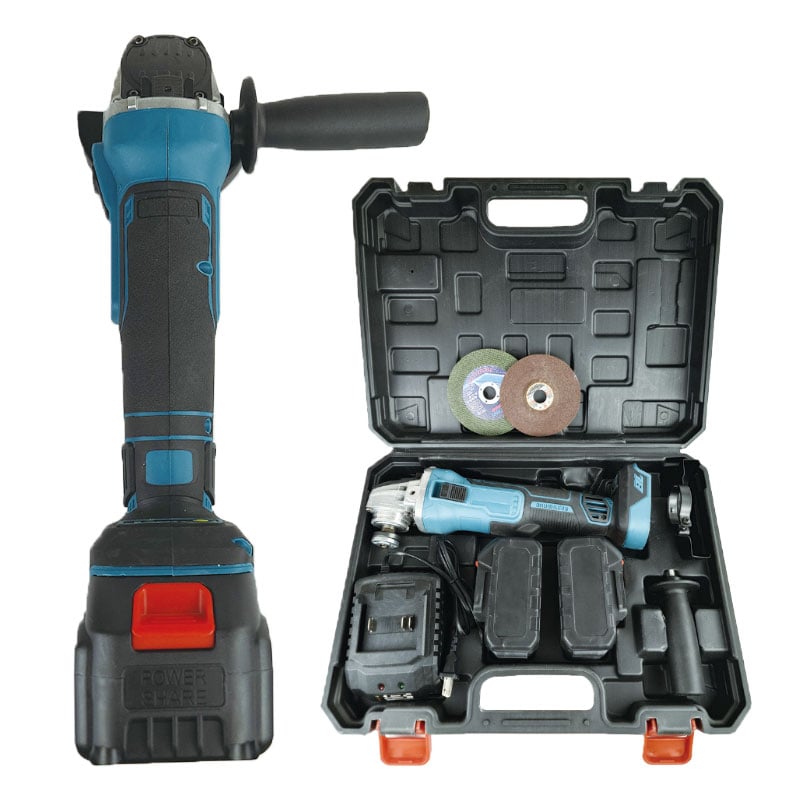
Modern power tools have undergone a revolutionary transformation with the integration of lithium battery technology, fundamentally changing how professionals and DIY enthusiasts approach their projects. This advanced energy storage solution has redefined performance expectations, delivering unprecedented runtime capabilities while maintaining consistent power output throughout extended work sessions. The evolution from traditional nickel-cadmium batteries to lithium battery technology represents one of the most significant technological leaps in portable tool design, offering users enhanced productivity, reduced downtime, and superior operational stability that translates directly into improved project outcomes and cost-effectiveness.
Revolutionary Energy Density and Runtime Performance
Superior Energy Storage Capacity
The fundamental advantage of lithium battery technology lies in its exceptional energy density, which allows manufacturers to pack significantly more power into compact battery packs without increasing weight or bulk. This breakthrough enables power tools to operate for extended periods, often delivering two to three times the runtime of comparable nickel-based alternatives. Professional contractors and tradespeople can now complete entire work shifts without battery changes, dramatically improving workflow efficiency and reducing project interruptions.
The cellular structure of lithium battery technology facilitates optimal energy utilization through advanced battery management systems that monitor individual cell performance and distribute power evenly across the entire pack. This intelligent power distribution ensures that every amp-hour of stored energy contributes to tool performance, maximizing the return on investment for users who depend on reliable, long-lasting power solutions in demanding work environments.
Consistent Power Output Throughout Discharge Cycle
Unlike traditional battery chemistries that experience gradual voltage decline as they discharge, lithium battery technology maintains remarkably stable voltage output throughout the majority of its discharge cycle. This characteristic ensures that power tools maintain peak performance levels from the first cut to the final screw, providing consistent torque, speed, and cutting power that professionals can rely on for precision work and quality results.
The flat discharge curve characteristic of lithium battery technology translates into predictable tool behavior, allowing users to plan work sessions with confidence and avoiding the frustrating performance degradation that occurs with older battery types. This consistency is particularly valuable in applications requiring precise control, such as finish carpentry, electrical installation, or delicate assembly work where power fluctuations can compromise quality and accuracy.
Enhanced Durability and Operational Stability
Temperature Resilience and Performance Consistency
Lithium battery technology demonstrates remarkable resilience across wide temperature ranges, maintaining reliable performance in conditions that would severely impact traditional battery chemistries. This temperature stability ensures that power tools remain functional in extreme weather conditions, from hot summer construction sites to cold winter installations, expanding the operational window for professional applications and reducing weather-related work delays.
The advanced thermal management capabilities inherent in lithium battery technology include built-in temperature monitoring and protection circuits that prevent overheating while optimizing charging and discharging rates based on ambient conditions. These safety features not only protect the battery investment but also ensure consistent tool performance regardless of environmental challenges, making lithium-powered tools ideal for year-round professional use.
Reduced Memory Effect and Charging Flexibility
One of the most significant operational advantages of lithium battery technology is the virtual elimination of memory effect, a phenomenon that plagued earlier battery types and required careful charging protocols to maintain capacity. This improvement means users can charge their batteries at any time without worrying about capacity loss, enabling opportunistic charging during breaks, lunch periods, or brief work pauses to maximize tool availability.
The charging flexibility offered by lithium battery technology extends to rapid charging capabilities that can restore significant capacity in minimal time periods. Many modern lithium battery systems can achieve 80% capacity in as little as 20-30 minutes, allowing users to maintain productivity even during extended work sessions by rotating between battery packs and taking advantage of brief charging opportunities throughout the day.
Advanced Battery Management and Protection Systems
Intelligent Cell Monitoring and Balancing
Modern lithium battery technology incorporates sophisticated battery management systems that continuously monitor individual cell voltages, temperatures, and current flow to optimize performance and prevent damage. These systems automatically balance cell charges during use and charging cycles, ensuring that all cells within the battery pack maintain optimal health and contribute equally to overall performance, significantly extending battery life and maintaining consistent power delivery.
The real-time monitoring capabilities of advanced lithium battery technology enable predictive maintenance and early warning systems that alert users to potential issues before they impact tool performance. This proactive approach to battery health management reduces unexpected downtime and allows users to plan battery replacements strategically, minimizing disruption to important projects and maintaining productivity schedules.
Comprehensive Protection Against Abuse and Damage
Lithium battery technology includes multiple layers of protection against common causes of battery failure, including overcurrent protection, overvoltage protection, and deep discharge prevention. These safety systems work together to protect both the battery investment and the connected power tool, preventing damage that could result from electrical faults, short circuits, or operator error, significantly reducing maintenance costs and extending equipment life.
The robust protection systems integrated into lithium battery technology also include thermal runaway prevention and cell isolation capabilities that can contain potential failures to individual cells rather than compromising the entire battery pack. This compartmentalized safety approach ensures that even in the unlikely event of a cell failure, the remaining cells can continue to provide power, allowing users to complete critical tasks while planning for battery service or replacement.
Environmental Benefits and Sustainability Advantages
Reduced Environmental Impact Through Longevity
The extended lifespan characteristic of lithium battery technology directly contributes to reduced environmental impact by minimizing the frequency of battery replacements and reducing electronic waste generation. Professional users can expect lithium batteries to maintain useful capacity for 3-5 years or more under normal operating conditions, compared to 1-2 years for traditional alternatives, resulting in fewer batteries entering waste streams and reducing the environmental burden associated with battery disposal.
The energy efficiency inherent in lithium battery technology also contributes to reduced environmental impact through lower charging energy requirements and reduced heat generation during use. These efficiency improvements translate into lower electricity consumption for battery charging and reduced cooling requirements in tools, contributing to overall energy conservation and supporting sustainability goals for environmentally conscious users and organizations.
Recycling and End-of-Life Management
Modern lithium battery technology benefits from increasingly sophisticated recycling infrastructure that can recover valuable materials including lithium, cobalt, and nickel for reuse in new battery production. This circular economy approach reduces the demand for virgin materials while providing economic incentives for proper battery disposal, creating a sustainable lifecycle that benefits both users and the environment.
The standardization of lithium battery technology across multiple tool manufacturers has facilitated the development of comprehensive recycling programs that make it easier for users to responsibly dispose of end-of-life batteries. Many manufacturers now offer take-back programs or partner with recycling facilities to ensure that lithium batteries are processed properly, recovering valuable materials while preventing environmental contamination.
FAQ
How long does lithium battery technology typically last in power tools
Lithium battery technology in power tools typically provides 3-5 years of reliable service under normal operating conditions, with many batteries retaining 70-80% of their original capacity after 500-1000 charge cycles. The actual lifespan depends on usage patterns, charging habits, storage conditions, and the specific battery management system employed, but most professional users can expect significantly longer service life compared to older battery technologies.
Can lithium battery technology be charged at any time without damaging the battery
Yes, lithium battery technology can be charged at any state of discharge without experiencing memory effect or capacity loss. This flexibility allows users to take advantage of charging opportunities throughout the workday, topping off batteries during breaks or lunch periods to maximize tool availability. The absence of memory effect means there is no need to fully discharge batteries before charging, providing complete charging flexibility.
How does temperature affect lithium battery technology performance
Lithium battery technology demonstrates excellent temperature stability, typically operating effectively in temperatures ranging from -4°F to 140°F (-20°C to 60°C). While extreme temperatures can temporarily reduce capacity, the batteries return to full performance when returned to normal operating temperatures. Built-in temperature monitoring systems protect against thermal damage and optimize performance across varying environmental conditions.
What makes lithium battery technology safer than older battery types
Lithium battery technology incorporates multiple safety systems including overcurrent protection, overvoltage protection, thermal monitoring, and deep discharge prevention that work together to prevent battery damage and potential safety hazards. Advanced battery management systems continuously monitor individual cells and can isolate problems to prevent cascade failures, while built-in safety circuits automatically shut down the battery if dangerous conditions are detected.