
 EN
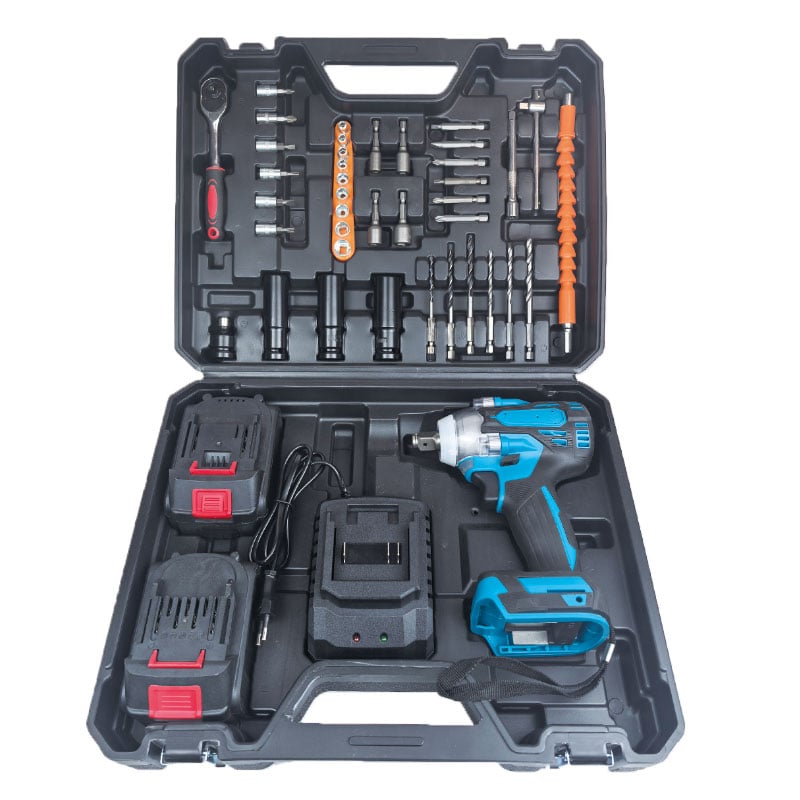
A quality wrench is one of the most fundamental tools in any mechanic's or technician's toolkit, and its durability depends almost entirely on the materials used during manufacturing. Understanding what makes a wrench truly durable requires knowledge of metallurgy, steel grades, and the engineering principles behind hand tool design. The right material selection ensures that your wrench will withstand repetitive stress, resist corrosion, and maintain its grip and accuracy across thousands of applications. Whether you're working in automotive repair, industrial maintenance, or plumbing, selecting a wrench made from the right materials can mean the difference between a tool that lasts decades and one that fails prematurely.
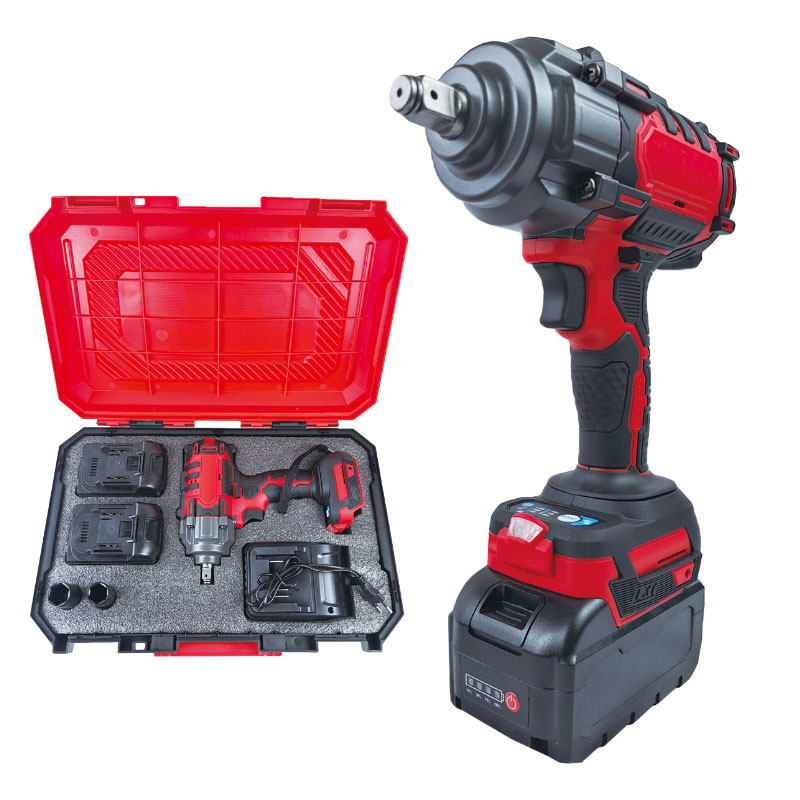
The foundation of any durable wrench begins with the base material itself. Premium wrenches are typically forged from high-carbon steel or alloy steel, materials chosen specifically for their ability to combine hardness with toughness. This combination prevents the wrench from becoming brittle and prone to cracking while still maintaining the hardness needed to grip fasteners securely without deforming. The socket wrench, adjustable wrench, and pipe wrench each have unique material requirements based on their specific design and intended use cases.
Steel Grades and Alloy Composition
High-Carbon Steel Formulations
High-carbon steel, typically containing 0.6 to 1.2 percent carbon, forms the backbone of most professional-grade wrenches. This carbon content provides the hardness necessary to maintain a tight grip on fasteners and resist deformation under load. When manufacturers forge a wrench from high-carbon steel, they create a tool that can handle repetitive stress without permanently bending or losing its precision. The socket wrench, for instance, relies heavily on high-carbon steel to maintain accurate dimensions across thousands of uses. Beyond carbon content, manufacturers often add chromium, vanadium, and molybdenum to enhance specific properties like corrosion resistance and fatigue strength.
Advanced Alloy Systems
Premium adjustable wrench and pipe wrench manufacturers invest in advanced alloy systems that go beyond simple high-carbon steel. Chromium additions improve corrosion resistance, which is critical for tools exposed to moisture, salt spray, or harsh industrial environments. Vanadium enhances toughness and reduces the risk of sudden brittle failure, while molybdenum increases hardenability and helps the wrench maintain its hardness even at elevated temperatures. These alloying elements work synergistically to create a material matrix that balances hardness, toughness, and durability. A properly formulated alloy steel wrench can withstand the extreme stresses of impact loading and vibration without losing its structural integrity.
Heat Treatment and Hardening Processes
Tempering and Hardness Control
The material composition alone does not determine durability; the heat treatment process is equally critical. After forging, the wrench undergoes controlled heating and cooling cycles called tempering and quenching to achieve the ideal hardness profile. This process transforms the raw forged steel into a tool with precisely calibrated hardness levels. Different zones of the wrench may receive different treatment to optimize performance. The gripping surfaces of a socket wrench need higher hardness to resist wear, while the handle of an adjustable wrench benefits from slightly lower hardness to absorb impact without cracking.
Stress Relief and Metallurgical Stability
Professional wrench manufacturers employ additional stress-relief treatments after hardening to remove residual stresses introduced during forging and machining. These treatments prevent the wrench from warping over time or developing micro-cracks that could lead to sudden failure. The pipe wrench, which often operates under extreme torque loads, particularly benefits from thorough stress-relief protocols. Premium brands use multiple heat treatment cycles to ensure consistent metallurgical properties throughout the entire tool. This attention to detail transforms a wrench from a simple metal fastener-turner into a precision instrument capable of withstanding decades of demanding use.
Surface Treatments and Protective Coatings
Corrosion-Resistant Finishes
Beyond the core material and heat treatment, surface treatments dramatically impact wrench durability in real-world conditions. Chrome plating remains one of the most common protective finishes, providing excellent corrosion resistance while adding a professional appearance. Industrial-grade socket wrenches often receive bright chrome plating that protects against rust formation and extends tool life in humid or marine environments. Alternatively, manufacturers may apply powder coat finishes or proprietary corrosion-inhibiting treatments to create durable, long-lasting protection. The adjustable wrench benefits particularly from robust surface protection because its adjustable mechanism creates additional exposure points where corrosion can initiate.
Wear-Resistant Surface Engineering
Modern durability also depends on specialized surface treatments that reduce friction and wear at contact points. Some manufacturers apply nitriding treatments that create an extremely hard surface layer without changing the interior toughness of the wrench. This approach is particularly valuable for pipe wrenches that grip round pipes and require exceptional wear resistance at the jaw surfaces. Proprietary coating systems may include self-lubricating elements that reduce galling and prevent the fastener from seizing during use. These advanced surface treatments represent the cutting edge of wrench engineering, ensuring that professional tools maintain their performance characteristics throughout extended service life.
FAQ
What steel grade is best for a durable wrench?
High-carbon steel with vanadium and chromium additions provides the ideal balance of hardness, toughness, and corrosion resistance for most applications. Look for wrenches made from materials rated between 40-45 HRC (Rockwell hardness) after proper heat treatment, which indicates a well-engineered tool designed for professional use.
Does an adjustable wrench require different materials than other types?
The adjustable wrench requires similar core materials to the socket wrench and pipe wrench, but the adjustable mechanism demands extra attention to stress concentration points and corrosion resistance at moving joints. The additional complexity of the adjustment mechanism necessitates premium alloy compositions and thorough heat treatment to prevent premature wear.
How does heat treatment affect wrench durability?
Heat treatment through controlled quenching and tempering determines whether a wrench will maintain its hardness, resist cracking, and withstand repetitive stress without failure. Proper heat treatment ensures the wrench achieves optimal hardness levels while retaining enough toughness to prevent sudden brittle fracture under demanding conditions.