 EN
EN
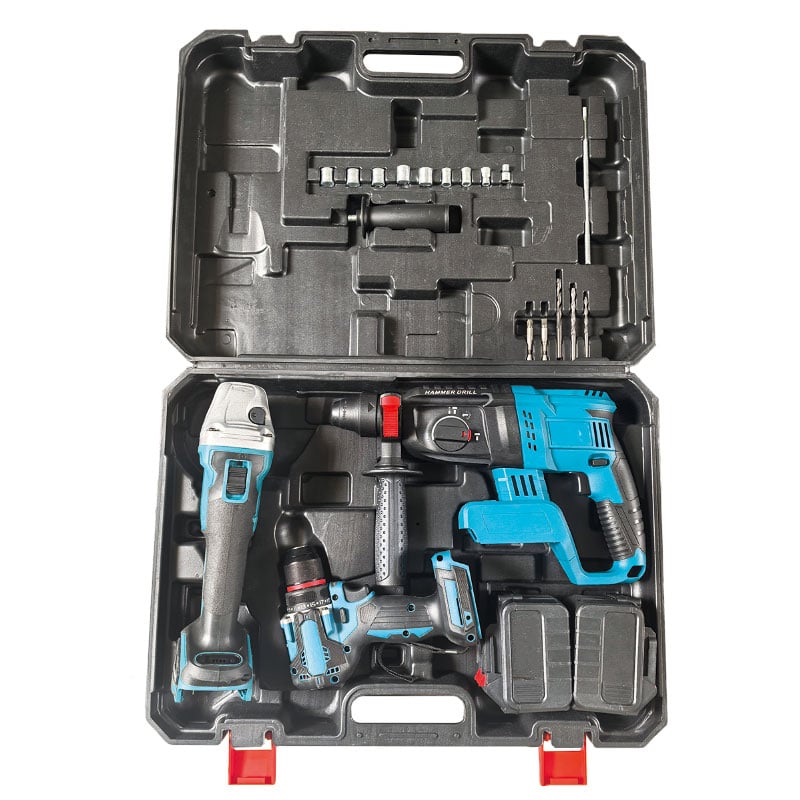
Industrial environments present unique challenges that demand careful consideration of safety factors when selecting grinding equipment. The consequences of inadequate safety measures in industrial settings can range from minor injuries to catastrophic accidents, making the selection process a critical decision that affects both worker wellbeing and operational efficiency. Understanding which safety factors take priority in industrial applications requires a comprehensive evaluation of workplace hazards, regulatory requirements, and the specific demands of heavy-duty operations.
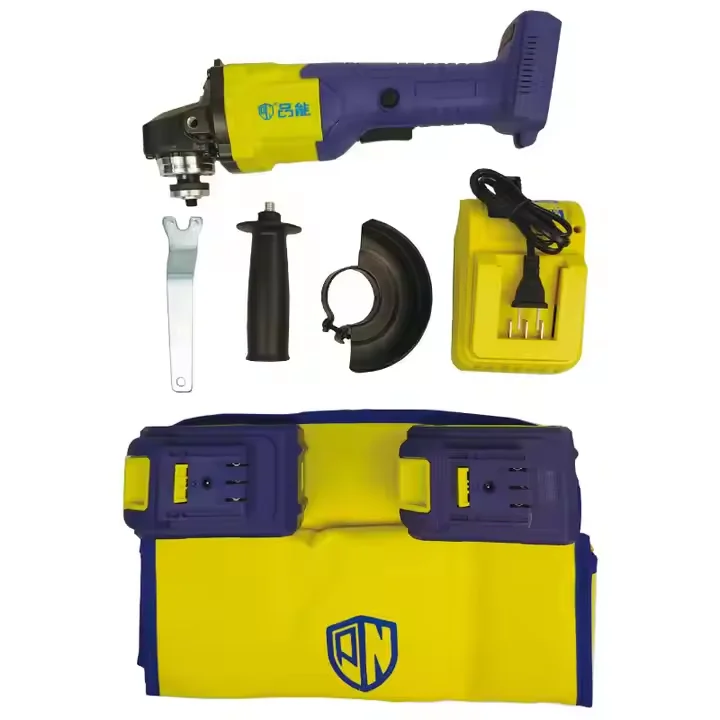
The complexity of industrial grinding operations necessitates a systematic approach to safety evaluation that goes beyond basic protective features. Modern industrial facilities must balance productivity demands with stringent safety protocols, creating a need for grinding equipment that incorporates advanced safety technologies without compromising performance. The selection criteria must address multiple risk factors simultaneously, from mechanical hazards and electrical safety to ergonomic considerations and environmental protection measures that are essential for sustained industrial operations.
Critical Safety Standards and Compliance Requirements
Regulatory Framework for Industrial Grinding Equipment
Industrial grinder safety begins with adherence to established regulatory frameworks that govern workplace safety standards. The Occupational Safety and Health Administration (OSHA) mandates specific requirements for portable grinding equipment used in industrial settings, including proper guarding, electrical safety, and operator protection protocols. These regulations form the foundation upon which all safety considerations must be built, ensuring that selected equipment meets minimum safety thresholds required by law.
Compliance with international safety standards such as IEC 60745 for portable motor-operated electric tools provides additional assurance of equipment reliability and safety performance. These standards address critical aspects of industrial grinder safety including insulation requirements, mechanical strength testing, and protection against electric shock. Industrial facilities operating in multiple jurisdictions must ensure their grinding equipment meets the most stringent applicable standards to maintain consistent safety levels across all operations.
The certification process for industrial grinding equipment involves rigorous testing procedures that validate safety claims and performance specifications. Third-party testing laboratories evaluate equipment under simulated industrial conditions to verify compliance with safety standards. This independent verification provides industrial buyers with confidence that their selected equipment will perform safely under demanding operational conditions while meeting all applicable regulatory requirements.
Documentation and Traceability Requirements
Proper documentation of safety features and compliance certifications becomes crucial for industrial operations subject to regular safety inspections and audits. Industrial grinder safety documentation must include detailed specifications of protective features, maintenance requirements, and operational limitations that affect safe usage. This documentation serves as both a reference for operators and evidence of due diligence in safety equipment selection for regulatory compliance purposes.
Traceability of safety-related components and modifications ensures that industrial facilities can track the safety history of their grinding equipment throughout its operational lifecycle. This includes records of safety inspections, component replacements, and any modifications that might affect the original safety certifications. Maintaining comprehensive safety documentation supports continuous improvement efforts and helps identify patterns that could indicate potential safety risks before they result in incidents.
The integration of digital documentation systems with industrial grinder safety management enables real-time tracking of equipment status and maintenance needs. Advanced tracking systems can alert operators to upcoming safety inspections, component replacement schedules, and changes in operational parameters that might affect safety performance. This proactive approach to safety documentation helps industrial facilities maintain consistent safety standards while minimizing the administrative burden of compliance management.
Essential Physical Safety Features and Design Elements
Guard Systems and Protective Barriers
The guard system represents the first line of defense in industrial grinder safety, protecting operators from direct contact with rotating abrasive wheels and containing debris generated during grinding operations. Industrial-grade guards must withstand the impact forces generated by wheel breakage while maintaining adequate visibility and accessibility for normal operations. The design of guard systems must balance comprehensive protection with operational efficiency to ensure consistent usage by industrial workers.
Adjustable guard systems provide flexibility for different grinding applications while maintaining optimal protection levels throughout various operational configurations. The ability to reposition guards without compromising safety allows industrial operators to adapt their equipment to specific task requirements while preserving essential protective functions. Quality guard systems feature tool-free adjustment mechanisms that encourage proper positioning and reduce the temptation to operate with inadequate protection.
Advanced guard designs incorporate features such as integrated dust extraction connections and spark deflection systems that address multiple safety concerns simultaneously. These comprehensive protective systems reduce airborne particulate exposure while preventing spark-related fire hazards in industrial environments where combustible materials may be present. The integration of multiple safety functions into guard design represents an efficient approach to industrial grinder safety that reduces complexity while improving overall protection levels.
Emergency Stop and Control Systems
Emergency stop mechanisms must be easily accessible and intuitive to operate under stress conditions that may arise during industrial grinding operations. The design of emergency controls should account for potential operator impairment due to injury or equipment malfunction, ensuring that safety systems remain functional even when normal operational procedures cannot be followed. Industrial-grade emergency stop systems typically feature large, prominent activation surfaces that can be engaged quickly without precise motor control.
Redundant control systems provide additional safety assurance by ensuring that primary control failures do not result in uncontrolled equipment operation. These backup systems may include mechanical interlocks, electronic monitoring circuits, and fail-safe mechanisms that automatically shut down equipment when abnormal conditions are detected. The implementation of redundant safety controls reflects the critical importance of reliable shutdown capability in industrial grinder safety applications.
Advanced control systems incorporate intelligent monitoring capabilities that can detect developing safety issues before they become immediate hazards. Vibration monitoring, temperature sensing, and electrical current analysis provide early warning of potential problems that could compromise industrial grinder safety. These predictive safety systems enable proactive maintenance and operational adjustments that prevent safety incidents while maintaining operational continuity.
Electrical Safety and Power Management Considerations
Insulation and Shock Prevention Systems
Electrical safety in industrial grinder applications requires comprehensive insulation systems that protect operators from shock hazards while maintaining reliable power delivery under demanding operational conditions. Double insulation systems provide redundant protection against electrical faults, ensuring that single-point failures do not create immediate shock hazards for operators. The quality and durability of insulation materials become critical factors in maintaining long-term electrical safety in industrial environments where equipment may be subject to moisture, chemicals, and mechanical stress.
Ground fault circuit interrupter (GFCI) protection adds another layer of electrical safety by monitoring current flow and automatically disconnecting power when ground faults are detected. Industrial-grade GFCI systems must operate reliably in environments with high electromagnetic interference and varying power quality conditions that are common in industrial facilities. The integration of GFCI protection into industrial grinder safety systems provides rapid response to electrical faults that could otherwise result in serious injury or equipment damage.
Cordless industrial grinders eliminate many electrical hazards associated with power cord damage and electrical connections in harsh industrial environments. Battery-powered systems reduce the risk of electrocution while providing operational flexibility that enhances safety by eliminating trip hazards and connection points where electrical faults might occur. Modern lithium-ion battery systems incorporate multiple safety features including overcharge protection, thermal management, and cell balancing that maintain electrical safety throughout the battery lifecycle.
Circuit Protection and Monitoring Systems
Overcurrent protection systems prevent electrical damage that could compromise industrial grinder safety by limiting current flow during abnormal operating conditions. These protective systems must respond quickly to fault conditions while avoiding nuisance tripping during normal high-load operations that are typical in industrial grinding applications. The calibration of protective systems requires careful balance between safety and operational reliability to ensure consistent equipment availability.
Electronic monitoring systems provide real-time feedback on electrical parameters that affect both safety and performance in industrial grinding operations. Current monitoring can detect bearing wear, wheel imbalance, and other mechanical issues that manifest as electrical signatures before they become safety hazards. Voltage monitoring ensures that equipment operates within safe parameters and can alert operators to power quality issues that might compromise industrial grinder safety.
Integration of electrical safety systems with facility-wide safety management networks enables centralized monitoring and control of grinding equipment safety status. This connectivity allows safety managers to track equipment condition across multiple work areas and respond quickly to developing safety issues. Advanced electrical monitoring systems can automatically document safety-related events and generate reports that support continuous improvement in industrial grinder safety programs.
Ergonomic Safety Features and Operator Protection
Vibration Control and Hand-Arm Safety
Vibration exposure represents a significant long-term health risk in industrial grinding applications, making vibration control a critical component of comprehensive industrial grinder safety programs. Hand-arm vibration syndrome (HAVS) can develop from prolonged exposure to grinding tool vibration, leading to permanent disability and reduced work capacity for affected operators. Effective vibration control systems must address both the generation of vibration at its source and the transmission of vibration to the operator through tool handles and gripping surfaces.
Anti-vibration handle systems incorporate dampening materials and isolation mechanisms that significantly reduce vibration transmission to operators during extended grinding operations. These systems must maintain their effectiveness throughout the tool lifecycle while preserving the tactile feedback necessary for precise control in industrial applications. Advanced anti-vibration designs use multiple dampening stages and tuned absorption systems that target specific frequency ranges where vibration exposure is most harmful to human physiology.
Monitoring systems that track cumulative vibration exposure help industrial safety managers implement appropriate work rotation schedules and exposure limits that protect operator health while maintaining productivity requirements. Integration of vibration monitoring with industrial grinder safety management systems provides data-driven insights into exposure patterns and enables optimization of work practices to minimize health risks. Regular monitoring also supports early identification of equipment issues that may increase vibration levels beyond acceptable safety limits.
Weight Distribution and Fatigue Prevention
The physical weight and balance characteristics of industrial grinding equipment directly impact operator fatigue and the likelihood of handling accidents that compromise safety. Proper weight distribution reduces the physical stress associated with extended grinding operations while maintaining the stability necessary for precise control and safe operation. Ergonomic design considerations must account for the diverse physical capabilities of industrial workforces while ensuring that safety is not compromised by equipment that is difficult to handle properly.
Auxiliary handle systems provide additional control points that allow operators to distribute gripping forces and maintain stable control during demanding grinding operations. The positioning and design of auxiliary handles must accommodate various operator heights and working positions while preserving access to primary controls and safety features. Adjustable handle systems offer flexibility to optimize ergonomics for individual operators while maintaining consistent industrial grinder safety performance across diverse user populations.
Fatigue monitoring and work scheduling systems help industrial safety managers optimize grinding operation schedules to prevent operator fatigue that could lead to safety incidents. These systems consider factors such as equipment weight, operational duration, and environmental conditions to recommend appropriate work-rest cycles that maintain both productivity and safety standards. Integration of fatigue management with overall industrial grinder safety programs provides a comprehensive approach to protecting operator wellbeing while maintaining operational efficiency.
Environmental Safety and Contamination Control
Dust and Particulate Management
Airborne particulate control represents a critical aspect of industrial grinder safety that affects both immediate operator health and long-term respiratory safety for all personnel in the work environment. Industrial grinding operations generate significant quantities of dust and debris that can pose serious health hazards including silicosis, metal fume fever, and other occupational respiratory diseases. Effective dust control systems must capture particulates at the source while maintaining the operational flexibility necessary for diverse industrial grinding applications.
Integrated dust extraction systems provide the most effective approach to particulate control by capturing debris immediately as it is generated during grinding operations. These systems must balance suction power with operational convenience to ensure consistent usage while maintaining effective particle capture rates. Industrial-grade extraction systems incorporate multiple filtration stages and disposal mechanisms that safely contain collected materials while minimizing maintenance requirements and operational interruptions.
Respiratory protection programs complement engineering controls by providing personal protective equipment appropriate for the specific particulate hazards present in industrial grinding environments. The selection of respiratory protection must consider the types of materials being ground, the effectiveness of engineering controls, and the duration of exposure anticipated during normal operations. Regular fit testing and maintenance of respiratory equipment ensures that personal protection remains effective throughout extended industrial grinder safety programs.
Chemical and Material Safety Considerations
Industrial grinding operations may involve materials that present chemical hazards beyond simple particulate exposure, requiring specialized safety considerations for material handling and contamination prevention. Grinding of metals, composites, and treated materials can generate toxic fumes, reactive particles, and other chemical hazards that demand specific safety protocols and equipment features. Industrial grinder safety programs must address these chemical hazards through appropriate material identification, hazard assessment, and control measure implementation.
Spark control systems become essential when grinding operations are performed in environments where flammable or explosive materials may be present. These systems must prevent spark generation or contain sparks to prevent ignition of combustible atmospheres while maintaining grinding effectiveness. Industrial spark control may involve specialized grinding wheels, containment systems, or atmospheric monitoring that alerts operators to potentially dangerous conditions.
Material compatibility assessment ensures that grinding wheels and equipment components are suitable for the specific materials being processed and will not create unexpected chemical reactions or hazardous byproducts. This assessment must consider the full range of materials that may be encountered during industrial operations and account for potential cross-contamination between different grinding applications. Proper material compatibility evaluation supports both equipment longevity and comprehensive industrial grinder safety management.
FAQ
What is the most important safety feature to look for in an industrial grinder?
The guard system is typically considered the most critical safety feature, as it provides primary protection against wheel breakage and contact injuries. However, comprehensive industrial grinder safety requires multiple integrated safety features including emergency stops, electrical protection, and vibration control working together as a complete safety system.
How often should industrial grinding equipment undergo safety inspections?
Safety inspections should be conducted before each use for basic operational checks, with more comprehensive inspections performed weekly or monthly depending on usage intensity and manufacturer recommendations. Annual professional inspections by qualified technicians ensure that all safety systems continue to meet regulatory requirements and performance standards.
Are cordless grinders as safe as corded models for industrial applications?
Modern cordless industrial grinders can provide equivalent or superior safety performance compared to corded models by eliminating electrical shock hazards and cord-related trip risks. However, battery safety systems and power management features become critical considerations that must meet industrial-grade reliability standards for extended operational use.
What training is required for operators using industrial grinding equipment safely?
Operators must receive comprehensive training covering equipment-specific safety features, proper operational techniques, personal protective equipment requirements, and emergency procedures. This training should include hands-on demonstration of safety systems, hazard recognition skills, and regular refresher sessions to maintain competency and reinforce safe operating practices throughout the equipment lifecycle.
Table of Contents
- Critical Safety Standards and Compliance Requirements
- Essential Physical Safety Features and Design Elements
- Electrical Safety and Power Management Considerations
- Ergonomic Safety Features and Operator Protection
- Environmental Safety and Contamination Control
-
FAQ
- What is the most important safety feature to look for in an industrial grinder?
- How often should industrial grinding equipment undergo safety inspections?
- Are cordless grinders as safe as corded models for industrial applications?
- What training is required for operators using industrial grinding equipment safely?