
 EN
EN
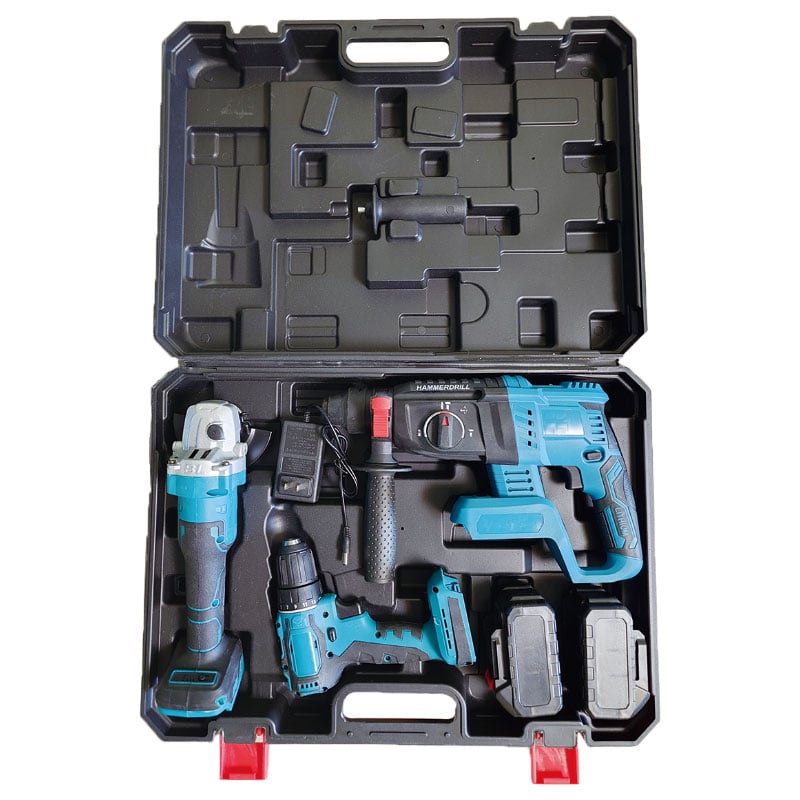
When professionals invest in power tools for their trade, the decision extends far beyond simple functionality and price considerations. The right power tools serve as the foundation of efficient operations, directly impacting productivity, safety standards, and long-term operational costs. Professional contractors, electricians, plumbers, and other skilled trades workers require power tools that can withstand demanding work environments while delivering consistent performance across diverse applications.
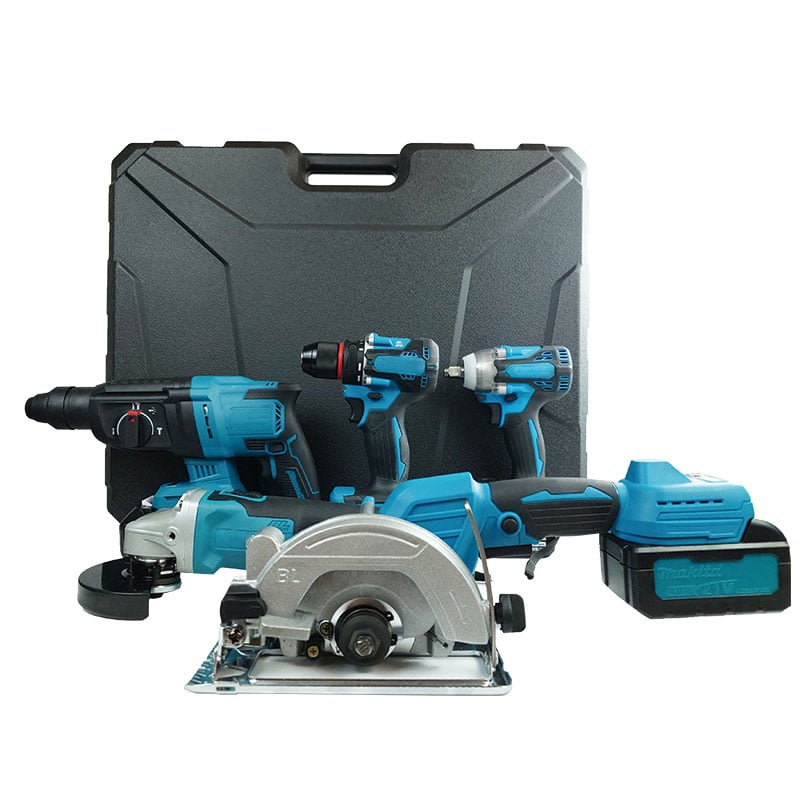
The selection process for professional-grade power tools involves evaluating multiple technical specifications, operational requirements, and business considerations that directly affect project outcomes and profitability. Understanding these critical factors enables buyers to make informed decisions that align with their specific trade requirements, work volume expectations, and budget constraints while ensuring optimal return on investment.
Performance Specifications and Technical Requirements
Motor Power and Torque Capabilities
Professional power tools must deliver sufficient motor power to handle demanding applications without compromising performance under load. Motor specifications directly correlate with the tool's ability to maintain consistent speed and torque when working with tough materials or in challenging conditions. Brushless motors have become increasingly important in professional applications due to their enhanced efficiency, reduced maintenance requirements, and extended operational lifespan compared to traditional brushed alternatives.
Torque output represents another critical performance metric that determines the tool's capability to drive fasteners, drill through dense materials, or operate accessories under resistance. Professional users should evaluate both maximum torque ratings and the tool's ability to maintain torque consistency throughout extended use periods, as performance degradation under sustained load can significantly impact productivity and project timelines.
Speed Control and Variable Settings
Variable speed control enables professionals to optimize power tools for different materials, applications, and precision requirements. Quality speed control systems provide smooth transitions between settings and maintain consistent performance across the entire speed range, allowing users to match tool operation to specific task demands without sacrificing control or finish quality.
Electronic speed controllers with feedback systems help maintain consistent performance regardless of load variations, ensuring that power tools deliver predictable results across diverse applications. This consistency becomes particularly important when working with delicate materials or when precision drilling, cutting, or fastening operations require exact speed control to prevent damage or ensure proper results.
Battery Technology and Power Management
Lithium-Ion Battery Performance
Modern professional power tools increasingly rely on advanced lithium-ion battery technology that provides superior energy density, reduced weight, and minimal self-discharge characteristics. Battery voltage ratings directly impact tool performance capabilities, with higher voltage systems typically delivering greater power output and extended runtime for demanding applications.
Professional users should evaluate battery capacity ratings measured in ampere-hours, which determine how long power tools can operate before requiring recharging. Quality battery systems incorporate thermal management features that protect against overheating during intensive use, extending battery lifespan and maintaining consistent performance even in challenging environmental conditions.
Charging Systems and Runtime Management
Efficient charging systems minimize downtime by reducing the time required to restore battery capacity between uses. Fast-charging capabilities become essential for professional applications where extended work periods demand quick battery turnaround times to maintain productivity levels throughout the workday.
Battery compatibility across tool platforms allows professionals to standardize their power tools around specific battery systems, reducing inventory requirements and ensuring interchangeability between different tools. This standardization approach simplifies logistics, reduces carrying requirements, and provides cost advantages through shared battery investments across multiple tool categories.
Durability and Construction Quality
Housing Materials and Impact Resistance
Professional-grade power tools require robust construction materials that can withstand the impacts, vibrations, and environmental stresses typical of demanding work environments. High-quality housing materials, reinforced internal components, and shock-absorbing designs help protect critical mechanisms from damage while maintaining operational precision over extended periods.
Impact-resistant housings protect internal components from drops, collisions, and other mechanical stresses that commonly occur in construction and industrial environments. Quality manufacturers design power tools with reinforced stress points, protective overhangs around vulnerable components, and materials that maintain their properties across temperature variations and exposure to common workplace chemicals.
Environmental Protection and Sealing
Dust and moisture protection becomes critical when power tools operate in outdoor environments or areas with high particulate levels. Professional power tools should incorporate adequate sealing around switches, battery compartments, and ventilation systems to prevent contamination that could compromise electrical components or mechanical operation.
Weather resistance enables power tools to function reliably across diverse environmental conditions without performance degradation or premature component failure. Quality sealing systems protect against dust ingress, moisture penetration, and temperature extremes while maintaining proper ventilation for motor cooling and optimal performance.
Ergonomic Design and User Comfort
Weight Distribution and Balance
Proper weight distribution significantly impacts user comfort and control during extended use periods, reducing fatigue and improving precision in detailed work applications. Well-balanced power tools minimize wrist strain and enable better control when working in awkward positions or overhead applications common in professional environments.
Center of gravity positioning affects how power tools handle during operation, with optimal balance reducing the effort required to maintain control and accuracy. Professional users should evaluate how different power tools feel during typical applications, considering both static balance and dynamic handling characteristics under load conditions.
Grip Design and Vibration Control
Ergonomic grip designs incorporate materials and contours that provide secure handling while minimizing hand fatigue during extended use periods. Quality grips maintain their properties across temperature variations and resist degradation from exposure to oils, solvents, and other substances commonly encountered in professional environments.
Vibration dampening systems reduce the transmission of operational vibrations to the user, decreasing fatigue and improving comfort during prolonged use. Effective vibration control also enhances precision by reducing the subtle movements that can affect accuracy in detailed work applications, particularly when working with delicate materials or tight tolerances.
Versatility and Application Range
Chuck Systems and Accessory Compatibility
Versatile chuck systems enable power tools to accommodate diverse accessory types, expanding their application range and reducing the need for multiple specialized tools. Keyless chuck designs provide quick accessory changes while maintaining secure retention under load, improving efficiency during applications that require frequent bit or attachment changes.
Accessory compatibility extends the utility of power tools by enabling them to perform multiple functions with appropriate attachments. Quality power tools support standard accessory interfaces that provide access to comprehensive attachment ecosystems, allowing professionals to adapt their tools for specialized applications without investing in entirely separate equipment.
Multi-Function Capabilities
Multi-function power tools consolidate multiple capabilities into single units, reducing the number of separate tools required for comprehensive job completion. These consolidated designs become particularly valuable for professionals who must transport tools to multiple job sites or work in environments where space constraints limit tool storage options.
Function switching mechanisms should provide clear selection feedback and maintain reliable performance across all operational modes. Quality multi-function power tools ensure that each operational mode delivers performance comparable to dedicated single-function alternatives, avoiding compromises that could affect work quality or efficiency.
FAQ
How important is battery compatibility when selecting professional power tools?
Battery compatibility represents a critical consideration that affects long-term operational costs and logistics. Standardizing around compatible battery systems reduces inventory requirements, simplifies charging logistics, and provides cost advantages through shared battery investments. Professional users should prioritize power tools that utilize common battery platforms to maximize efficiency and minimize equipment complexity across their tool collection.
What motor specifications should professionals prioritize for demanding applications?
Brushless motors provide superior efficiency, reduced maintenance requirements, and extended operational lifespan compared to brushed alternatives, making them ideal for professional applications. Motor power ratings should align with the intended applications, while torque specifications determine the tool's capability to handle resistant materials and sustained load conditions. Variable speed control with electronic feedback systems ensures consistent performance across diverse applications.
How do environmental conditions affect power tool selection for outdoor work?
Outdoor applications require power tools with adequate environmental protection against dust, moisture, and temperature extremes. Quality sealing systems protect internal components while maintaining proper ventilation for motor cooling. Weather-resistant materials and construction ensure reliable operation across diverse environmental conditions without performance degradation or premature component failure. Consider IP ratings and manufacturer environmental specifications when selecting tools for outdoor applications.
What ergonomic factors most significantly impact productivity during extended use?
Weight distribution and balance directly affect user comfort and control during extended operations, reducing fatigue and improving precision. Vibration dampening systems minimize hand fatigue while enhancing accuracy in detailed work applications. Grip design should provide secure handling across temperature variations and resist degradation from workplace chemicals. Proper ergonomics become increasingly important for professionals who use power tools throughout extended work periods.
Table of Contents
- Performance Specifications and Technical Requirements
- Battery Technology and Power Management
- Durability and Construction Quality
- Ergonomic Design and User Comfort
- Versatility and Application Range
-
FAQ
- How important is battery compatibility when selecting professional power tools?
- What motor specifications should professionals prioritize for demanding applications?
- How do environmental conditions affect power tool selection for outdoor work?
- What ergonomic factors most significantly impact productivity during extended use?