 EN
EN

Modern manufacturing operations demand precision, efficiency, and reliability in every aspect of production. Among the essential tools that have revolutionized industrial processes, power scissors stand out as indispensable equipment for cutting, trimming, and shaping various materials. These advanced cutting instruments combine the convenience of traditional scissors with the enhanced power and control needed for demanding manufacturing environments. From textile production to automotive assembly lines, power scissors have become integral to maintaining competitive advantages in today's fast-paced industrial landscape.
Enhanced Productivity Through Advanced Cutting Technology
Precision Engineering for Industrial Applications
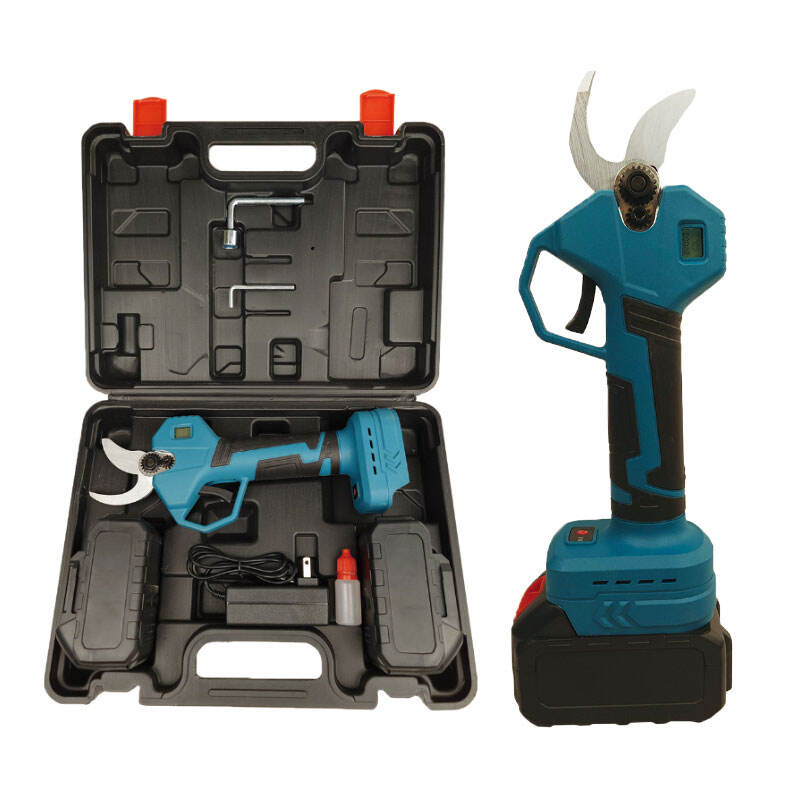
The engineering behind modern power scissors incorporates sophisticated mechanisms that deliver consistent cutting performance across various materials. These tools feature high-torque motors and precision-engineered blades that maintain sharpness longer than conventional cutting implements. Manufacturing facilities benefit from reduced downtime and increased throughput when operators utilize power scissors designed specifically for industrial applications. The ergonomic design reduces operator fatigue, allowing for extended periods of productive work without compromising cut quality or worker comfort.
Advanced blade materials and coatings ensure that power scissors maintain their cutting edge even when processing challenging materials such as reinforced fabrics, composite sheets, or multi-layered packaging materials. This durability translates directly into cost savings for manufacturing operations, as blade replacement intervals are extended and maintenance requirements are minimized. The precision control offered by these tools enables manufacturers to achieve tight tolerances and consistent results across production runs.
Automated Integration Capabilities
Contemporary manufacturing environments increasingly rely on automated systems to maintain competitive efficiency levels. Power scissors designed for industrial use often feature compatibility with robotic systems and automated cutting stations. This integration capability allows manufacturers to incorporate precise cutting operations into larger automated workflows, reducing manual intervention and improving overall production consistency. The programmable nature of many power scissors systems enables operators to preset cutting parameters for different materials and applications.
Smart sensors integrated into advanced power scissors provide real-time feedback on cutting performance, blade condition, and material positioning. This data enables predictive maintenance scheduling and helps operators optimize cutting parameters for maximum efficiency. Manufacturing facilities that implement these intelligent cutting systems report significant improvements in quality control and reduction in material waste, contributing to both environmental sustainability and cost effectiveness.
Versatile Material Processing Capabilities
Multi-Material Compatibility
One of the most significant advantages of modern power scissors lies in their ability to process diverse materials without requiring tool changes or extensive setup modifications. From delicate electronic components to robust industrial textiles, these versatile cutting tools adapt to various material properties and thicknesses. Manufacturing operations benefit from this flexibility by reducing inventory requirements for specialized cutting equipment and streamlining production workflows across multiple product lines.
The adjustable cutting force and speed settings available in professional-grade power scissors allow operators to optimize performance for specific applications. Whether processing synthetic fabrics in textile manufacturing or trimming precision gaskets in automotive production, these tools deliver consistent results while minimizing material distortion or edge fraying. This capability is particularly valuable in industries where material integrity and edge quality directly impact final product performance.
Thickness and Density Handling
Manufacturing processes often involve materials of varying thickness and density, presenting challenges for conventional cutting tools. Power scissors equipped with variable compression systems can accommodate these variations while maintaining clean, precise cuts. The ability to process thick, multi-layered materials in a single operation eliminates the need for multiple cutting passes, reducing production time and improving workflow efficiency.
Advanced power scissors incorporate force feedback mechanisms that automatically adjust cutting pressure based on material resistance. This intelligent adaptation ensures optimal cutting performance regardless of material variations within production batches. Manufacturers processing materials with inconsistent density or thickness profiles benefit significantly from this automated adjustment capability, as it maintains cut quality while reducing the likelihood of material damage or tool wear.
Safety and Ergonomic Advantages
Operator Protection Features
Safety considerations are paramount in manufacturing environments, and modern power scissors incorporate numerous features designed to protect operators while maintaining productivity. Blade guards, emergency stop mechanisms, and pressure-sensitive activation systems work together to minimize the risk of accidents during operation. These safety features are particularly important in high-volume production environments where operators may use cutting tools for extended periods throughout their shifts.
The enclosed cutting mechanisms found in many power scissors designs protect operators from blade exposure while allowing clear visibility of the cutting area. Anti-kickback features prevent sudden tool movement that could lead to injury or material damage. Additionally, many models include safety interlocks that prevent operation unless proper material positioning is detected, further reducing the potential for accidents or improper cuts that could compromise product quality.
Ergonomic Design Benefits
Prolonged use of cutting tools can lead to repetitive strain injuries and operator fatigue, impacting both worker well-being and production efficiency. Power scissors designed for industrial applications prioritize ergonomic considerations, featuring balanced weight distribution, comfortable grip surfaces, and reduced activation force requirements. These design elements enable operators to maintain productivity throughout extended work periods while minimizing physical strain.
Vibration dampening systems integrated into high-quality power scissors reduce the transmission of cutting forces to the operator's hand and arm. This feature is particularly beneficial in applications involving continuous cutting operations or processing of dense materials that might otherwise cause operator discomfort. The improved comfort and reduced fatigue associated with ergonomic power scissors design contribute to better cut accuracy and consistency, as operators can maintain proper technique and focus throughout their work sessions.
Cost-Effectiveness and Return on Investment
Operational Efficiency Gains
The investment in high-quality power scissors typically generates measurable returns through improved operational efficiency and reduced labor costs. These tools enable operators to complete cutting tasks more quickly and accurately than traditional methods, increasing overall throughput without requiring additional personnel. The consistency and precision offered by power scissors also reduce material waste, contributing to cost savings that accumulate significantly over time in high-volume manufacturing operations.
Maintenance costs associated with power scissors are generally lower than those of larger cutting equipment, as these tools feature fewer moving parts and simpler mechanical systems. The modular design of many power scissors allows for easy replacement of wear components, minimizing downtime and extending overall tool life. Manufacturing facilities can often perform routine maintenance in-house, reducing dependence on external service providers and maintaining greater control over production schedules.
Quality Improvement Benefits
Consistent cut quality provided by power scissors translates directly into improved final product quality and reduced rejection rates. The precision and repeatability of these tools enable manufacturers to maintain tight quality standards while reducing the variability that can occur with manual cutting methods. This consistency is particularly valuable in industries where product specifications have narrow tolerance ranges or where aesthetic quality is critical to market acceptance.
The ability of power scissors to produce clean, sealed edges in many materials eliminates the need for secondary finishing operations in numerous applications. This capability reduces processing time and associated labor costs while improving overall product appearance and durability. Manufacturers implementing power scissors often report decreased customer complaints and warranty claims related to cutting quality issues, further contributing to the overall return on investment.
Industry-Specific Applications
Textile and Apparel Manufacturing
The textile and apparel industry has embraced power scissors as essential tools for pattern cutting, fabric trimming, and finishing operations. These tools excel at processing various fabric types, from delicate silks to heavy-duty canvas materials, while maintaining edge quality that prevents fraying and ensures proper seam alignment. The speed and accuracy of power scissors enable garment manufacturers to meet tight production deadlines while maintaining the quality standards required in competitive fashion markets.
Specialized power scissors designed for textile applications often feature heated blades that seal synthetic fabric edges during cutting, eliminating the need for separate edge-sealing operations. This capability is particularly valuable in technical textile manufacturing, where edge integrity is critical to product performance. The ability to cut multiple fabric layers simultaneously while maintaining alignment accuracy makes power scissors indispensable for high-volume apparel production operations.
Automotive and Aerospace Industries
Automotive and aerospace manufacturing operations utilize power scissors for precision cutting of gaskets, seals, insulation materials, and composite components. The exacting standards required in these industries demand cutting tools that can maintain dimensional accuracy while processing materials with specific performance characteristics. Power scissors designed for these applications often incorporate measurement systems and cutting guides that ensure compliance with stringent quality requirements.
The ability to process advanced materials such as carbon fiber composites and specialized polymer films makes power scissors valuable assets in next-generation vehicle production. These tools can handle the unique cutting challenges presented by layered composite structures while maintaining the clean edges essential for proper adhesive bonding and assembly processes. The precision and consistency offered by power scissors contribute to the overall quality and safety of finished automotive and aerospace products.
Frequently Asked Questions
What maintenance requirements do power scissors have in manufacturing environments
Power scissors require regular cleaning to remove material residue and debris that can accumulate during operation. Blade sharpening or replacement should be performed according to manufacturer recommendations, typically based on cutting volume or performance indicators. Lubrication of moving parts and inspection of electrical connections are essential maintenance tasks that ensure reliable operation and extend tool life. Most manufacturing facilities can perform these maintenance tasks using standard shop tools and procedures.
How do power scissors compare to laser cutting systems for manufacturing applications
Power scissors offer several advantages over laser cutting systems, including lower initial investment costs, reduced energy consumption, and the ability to process thick or heat-sensitive materials without thermal effects. While laser systems excel in precision cutting of thin materials, power scissors provide greater versatility for varying material types and thicknesses. The portability and simplicity of power scissors make them ideal for applications where flexibility and quick setup changes are important considerations.
What safety training is required for operators using power scissors in manufacturing
Operators should receive training on proper handling techniques, safety feature operation, and emergency procedures before using power scissors in manufacturing environments. Understanding material positioning requirements and recognizing signs of tool wear or malfunction are essential skills for safe operation. Regular safety refresher training and adherence to established operating procedures help maintain a safe work environment and ensure consistent cutting performance.
Can power scissors be integrated with existing quality control systems
Many modern power scissors feature connectivity options that enable integration with quality control and production monitoring systems. Data logging capabilities can track cutting parameters, cycle counts, and performance metrics for analysis and process optimization. This integration allows manufacturers to maintain detailed records of cutting operations and identify trends that may indicate the need for maintenance or process adjustments. The ability to correlate cutting data with final product quality measurements provides valuable insights for continuous improvement initiatives.
Table of Contents
- Enhanced Productivity Through Advanced Cutting Technology
- Versatile Material Processing Capabilities
- Safety and Ergonomic Advantages
- Cost-Effectiveness and Return on Investment
- Industry-Specific Applications
-
Frequently Asked Questions
- What maintenance requirements do power scissors have in manufacturing environments
- How do power scissors compare to laser cutting systems for manufacturing applications
- What safety training is required for operators using power scissors in manufacturing
- Can power scissors be integrated with existing quality control systems