 EN
EN
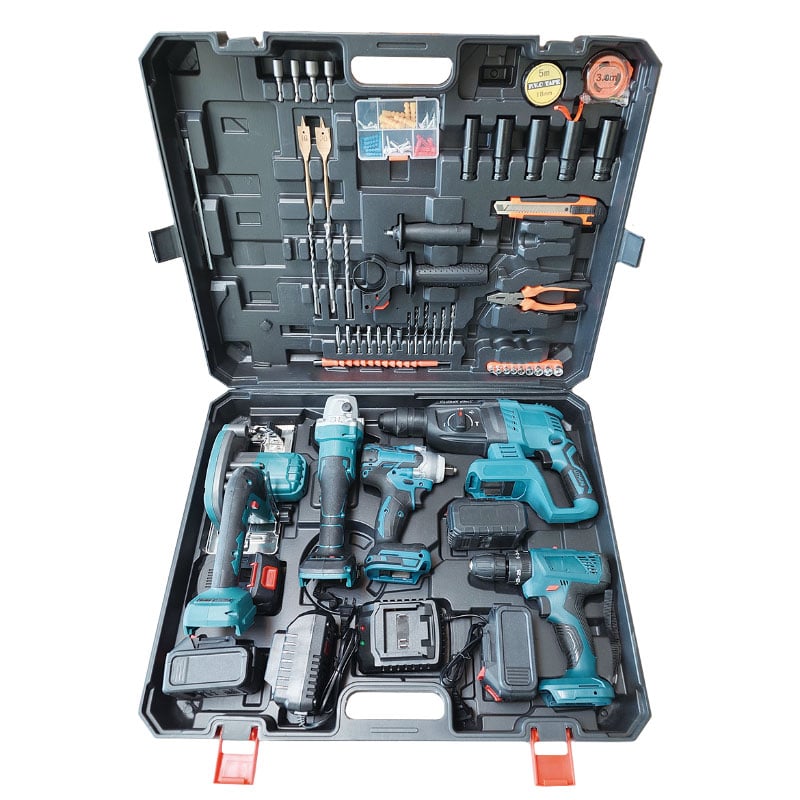
Industrial environments demand reliable, efficient tools that can withstand rigorous daily use while maintaining consistent performance. An impact drill represents a critical advancement in power tool technology, specifically engineered to handle the demanding nature of high-frequency drilling operations across various industrial applications. These specialized tools combine rotational drilling action with percussive hammering motion, creating a dual-action mechanism that significantly enhances drilling efficiency in challenging materials. The importance of selecting the right impact drill becomes even more pronounced when dealing with continuous production schedules, where downtime directly translates to lost productivity and increased operational costs.
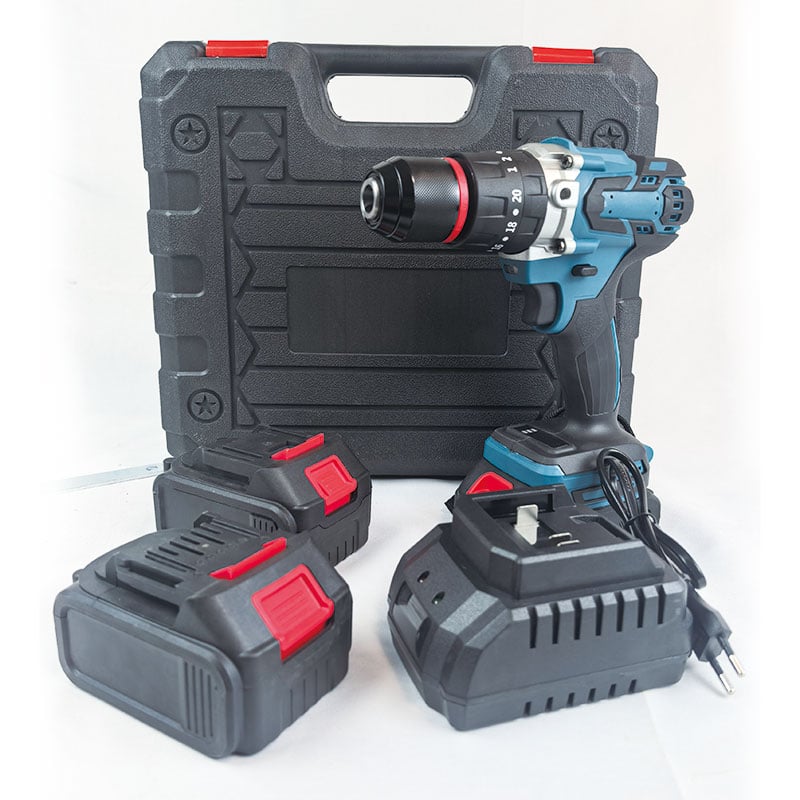
Understanding Impact Drill Technology and Mechanics
Core Operating Principles
The fundamental design of an impact drill incorporates both rotational and percussive forces to create superior drilling performance compared to standard rotary drills. This dual-action mechanism allows the impact drill to penetrate dense materials more effectively by delivering rapid hammer blows while simultaneously rotating the drill bit. The percussive action helps break up material ahead of the bit, reducing the rotational resistance and enabling faster penetration rates. Modern impact drill designs utilize advanced motor technologies, including brushless systems that provide enhanced efficiency and extended operational life.
The internal hammer mechanism within an impact drill operates through a sophisticated cam and anvil system that converts rotational energy into forward percussive motion. This conversion process occurs thousands of times per minute, creating the characteristic hammering action that distinguishes impact drills from conventional drilling tools. The frequency and intensity of these impacts can typically be adjusted to match specific material requirements and drilling applications, providing operators with precise control over the drilling process.
Advanced Motor and Battery Integration
Contemporary impact drill systems integrate high-performance lithium-ion battery technology with brushless motor designs to deliver exceptional power-to-weight ratios. These advanced power systems enable sustained high-frequency operation without the performance degradation commonly associated with older tool technologies. The brushless motor configuration eliminates carbon brush friction, resulting in reduced maintenance requirements and improved energy efficiency throughout extended drilling sessions.
Battery management systems in modern impact drill designs incorporate intelligent charging algorithms and thermal protection features that safeguard both the tool and power source during intensive use. These protective systems monitor operating temperatures, current draw, and voltage levels to prevent overheating and ensure consistent performance across varying environmental conditions. The result is a more reliable impact drill platform capable of meeting demanding industrial scheduling requirements.
Industrial Applications and Performance Requirements
Construction and Infrastructure Projects
Industrial construction projects frequently require drilling through reinforced concrete, masonry, and composite materials that challenge conventional drilling equipment. An impact drill excels in these applications by providing the necessary force to penetrate aggregate-filled concrete and navigate around embedded reinforcement without binding or stalling. The percussive action helps prevent drill bit wandering and ensures accurate hole placement, which is critical for structural integrity and assembly precision.
Large-scale infrastructure development relies heavily on efficient drilling operations for anchor installation, utility routing, and structural connections. The ability of an impact drill to maintain consistent performance across extended work periods makes it indispensable for projects operating under tight completion schedules. Professional contractors recognize that tool reliability directly impacts project timelines and overall profitability, making quality impact drill selection a strategic business decision.
Manufacturing and Assembly Operations
Manufacturing facilities utilize impact drill technology for various assembly and maintenance operations, including equipment installation, structural modifications, and facility upgrades. The precision and control offered by modern impact drill designs enable accurate drilling in confined spaces and challenging orientations common in industrial settings. The reduced vibration characteristics of quality impact drill systems also minimize operator fatigue during extended use periods, contributing to improved workplace safety and productivity.
Production environments benefit from the versatility of impact drill systems that can transition between drilling and light demolition tasks without tool changes. This operational flexibility reduces equipment inventory requirements and streamlines workflow processes, particularly valuable in fast-paced manufacturing environments where efficiency directly impacts output levels.
Performance Advantages in High-Frequency Operations
Speed and Efficiency Optimization
The primary advantage of an impact drill in high-frequency applications lies in its ability to complete drilling operations significantly faster than conventional rotary drills. The combined rotational and percussive action reduces the time required to penetrate dense materials, enabling operators to complete more drilling tasks within the same timeframe. This efficiency improvement becomes particularly valuable in production environments where drilling operations represent bottlenecks in overall workflow processes.
Impact drill technology also reduces the physical effort required from operators, as the tool's mechanical advantage eliminates the need for excessive downward pressure during drilling. This ergonomic benefit enables sustained operation periods without operator fatigue, contributing to consistent drilling quality and reduced risk of workplace injuries. The reduced physical demands also allow operators to maintain better control and precision throughout extended drilling sessions.
Tool Longevity and Maintenance Benefits
High-quality impact drill systems demonstrate superior longevity compared to standard drilling equipment when subjected to intensive industrial use. The efficient power transfer mechanism reduces stress on motor components while the percussive action minimizes drill bit wear by preventing binding and overheating. These design characteristics result in lower total cost of ownership through reduced replacement frequency and maintenance requirements.
The robust construction typical of industrial-grade impact drill designs incorporates protective features such as sealed bearings, reinforced housings, and shock-absorbing elements that enhance durability in challenging work environments. Regular maintenance procedures for impact drill systems typically involve basic cleaning and lubrication, making them practical choices for facilities with limited maintenance resources or remote operational locations.
Selection Criteria for Industrial Impact Drills
Power and Torque Specifications
Selecting an appropriate impact drill for industrial applications requires careful consideration of power output and torque characteristics relative to anticipated drilling demands. Higher torque ratings enable effective drilling through denser materials and larger diameter holes, while variable speed controls provide operational flexibility across different material types. The relationship between power consumption and drilling performance becomes critical in battery-powered systems where operational time directly impacts productivity.
Impact drill specifications should align with the hardest materials and largest hole sizes anticipated in regular operations to ensure adequate performance margins. Underspecified tools often experience premature failure or inadequate performance when challenged by demanding applications, while appropriately rated equipment provides reliable service throughout its operational lifecycle. Professional users recognize that initial investment in quality impact drill systems pays dividends through improved reliability and reduced downtime.
Ergonomic and Safety Considerations
Industrial impact drill selection must prioritize operator comfort and safety features, particularly for applications involving extended use periods. Ergonomic handle designs, balanced weight distribution, and effective vibration dampening contribute to reduced operator fatigue and improved control precision. Safety features such as electronic clutches, overload protection, and LED work lighting enhance operational safety while improving drilling accuracy in challenging conditions.
The integration of smart safety systems in modern impact drill designs provides additional protection against common operational hazards. These systems can detect binding conditions, excessive torque loads, and overheating situations, automatically adjusting operation or shutting down to prevent tool damage or operator injury. Such advanced safety features represent valuable investments in workplace safety and equipment protection.
Economic Impact and Return on Investment
Productivity Enhancement Analysis
The economic justification for industrial impact drill adoption centers on measurable productivity improvements and reduced operational costs. Time studies consistently demonstrate that impact drill technology reduces drilling cycle times by thirty to fifty percent compared to conventional methods, directly translating to increased throughput and reduced labor costs. These efficiency gains compound over time, making quality impact drill systems highly cost-effective investments for high-volume drilling operations.
Beyond direct time savings, impact drill systems contribute to improved project scheduling reliability by reducing variability in drilling operation completion times. This predictability enables more accurate project planning and resource allocation, reducing the need for schedule buffers and overtime costs. The cumulative effect of these improvements often justifies the initial investment within the first year of operation.
Long-Term Cost Considerations
Total cost of ownership analysis for impact drill systems must account for factors beyond initial purchase price, including maintenance costs, replacement part availability, and operational efficiency throughout the tool's lifecycle. High-quality impact drill designs typically demonstrate superior long-term value through reduced maintenance requirements and extended operational life, despite higher initial costs compared to basic alternatives.
The availability of replacement parts and service support becomes critical for industrial users who depend on consistent tool availability. Established manufacturers typically provide comprehensive parts availability and technical support networks that ensure minimal downtime when maintenance or repairs become necessary. This service infrastructure represents an important component of the total value proposition for professional impact drill users.
FAQ
What makes an impact drill more effective than regular drills for industrial use
An impact drill combines rotational drilling with rapid percussive hammering action, creating superior penetration capabilities through dense materials like concrete, masonry, and metal. This dual-action mechanism reduces drilling time by up to fifty percent while requiring less operator effort, making it essential for high-volume industrial applications where efficiency and consistency are critical for maintaining production schedules.
How do I determine the right impact drill specifications for my facility
Impact drill selection should be based on the hardest materials and largest holes you regularly encounter, with consideration for power source preferences, weight limitations, and expected usage frequency. Evaluate torque ratings, battery life, chuck capacity, and available accessories to ensure the chosen system can handle your most demanding applications while providing operational flexibility for various drilling tasks.
What maintenance procedures are required for industrial impact drills
Regular impact drill maintenance includes cleaning debris from air vents, lubricating the chuck mechanism, inspecting power cords or battery connections, and checking for loose components. More intensive maintenance involves periodic gear box lubrication and replacement of worn brushes in brushed motor designs. Following manufacturer maintenance schedules ensures optimal performance and extends tool operational life significantly.
Can impact drills replace all other drilling equipment in industrial settings
While impact drills excel in many applications, they complement rather than completely replace other drilling equipment. Precision drilling, large diameter holes, and certain delicate materials may require specialized equipment. However, an impact drill can handle the majority of routine industrial drilling tasks effectively, making it a versatile primary tool that reduces the need for multiple specialized drilling systems in most facilities.
Table of Contents
- Understanding Impact Drill Technology and Mechanics
- Industrial Applications and Performance Requirements
- Performance Advantages in High-Frequency Operations
- Selection Criteria for Industrial Impact Drills
- Economic Impact and Return on Investment
-
FAQ
- What makes an impact drill more effective than regular drills for industrial use
- How do I determine the right impact drill specifications for my facility
- What maintenance procedures are required for industrial impact drills
- Can impact drills replace all other drilling equipment in industrial settings