
 EN
EN
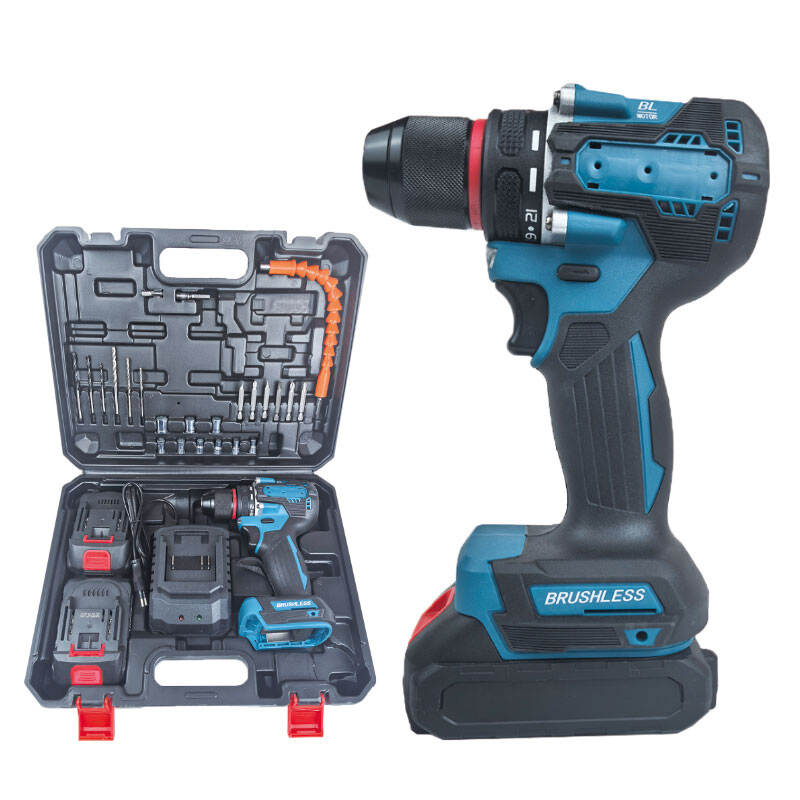
Selecting the right impact drill for construction and contracting work requires careful consideration of multiple safety factors that can significantly impact job site efficiency and worker protection. Professional contractors must evaluate various technical specifications, ergonomic features, and operational characteristics to ensure their chosen tool meets both performance requirements and safety standards. The decision involves analyzing power output, battery life, torque settings, and numerous safety mechanisms that modern impact drill models incorporate to prevent accidents and reduce user fatigue.
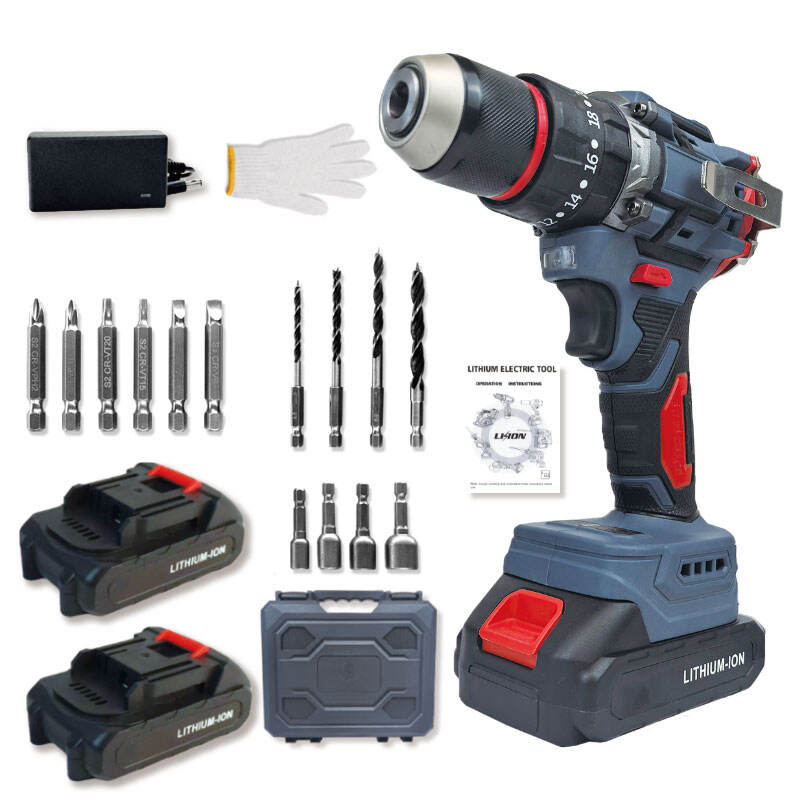
Safety considerations extend beyond basic protective equipment to encompass the inherent design features that manufacturers build into their impact drill systems. Understanding these factors helps contractors make informed purchasing decisions that protect their investment while maintaining high productivity standards. The complexity of modern construction projects demands tools that can handle diverse applications while minimizing risks associated with repetitive motion injuries, electrical hazards, and material handling challenges.
Power Source and Electrical Safety Considerations
Battery Technology and Thermal Protection
Modern lithium-ion batteries in impact drill systems incorporate sophisticated thermal management systems that prevent overheating during extended use. These safety features include automatic temperature monitoring, cell balancing circuits, and thermal cutoff switches that protect both the tool and operator from potential hazards. Contractors should prioritize impact drill models with certified battery protection systems that meet international safety standards for construction equipment.
Battery placement and design significantly affect the overall balance and handling characteristics of an impact drill during operation. Well-engineered battery systems distribute weight evenly to reduce wrist strain and improve control precision. The integration of LED indicators for charge status and temperature warnings provides essential feedback that helps operators make safe decisions about tool usage and maintenance scheduling.
Electrical Circuit Protection Features
Advanced impact drill models include multiple layers of electrical protection that prevent damage from power surges, moisture exposure, and dust infiltration. These protective circuits automatically shut down the tool when potentially dangerous conditions are detected, preventing electrical shock hazards and component failure. Contractors working in challenging environments benefit from tools with enhanced electrical isolation and waterproof ratings.
Ground fault protection and insulation monitoring systems in professional-grade impact drill units provide additional safety margins for operators working near water or in damp conditions. These features automatically disconnect power when electrical leakage is detected, protecting users from shock hazards that could occur during normal construction activities. Regular inspection and testing of these safety systems ensures continued protection throughout the tool's operational life.
Mechanical Safety Features and Torque Control
Torque Limitation and Clutch Systems
Precision torque control mechanisms in quality impact drill systems prevent over-tightening of fasteners and reduce the risk of sudden tool kickback that can cause operator injury. Adjustable clutch settings allow contractors to match torque output to specific applications, protecting both the fastener material and the tool components from excessive stress. These systems also reduce operator fatigue by eliminating the need for excessive manual force during drilling operations.
Electronic torque monitoring provides real-time feedback about drilling resistance and automatically adjusts power output to maintain consistent performance across different materials. This intelligent control helps prevent binding situations that could cause sudden tool movement or bit breakage. Contractors benefit from impact drill models that offer multiple torque settings with clear visual indicators for different application requirements.
Chuck Design and Bit Retention Safety
Secure bit retention systems prevent accidental bit ejection during high-speed operations, eliminating projectile hazards that could injure nearby workers. Modern keyless chuck designs incorporate spring-loaded mechanisms and positive locking features that maintain reliable grip even under heavy vibration conditions. Regular inspection and maintenance of chuck components ensures continued safe operation throughout the impact drill service life.
Quick-change bit systems reduce exposure time during bit changes while maintaining secure connections that prevent accidental release. These designs minimize hand contact with rotating components and reduce the time operators spend in potentially hazardous positions near the work area. Contractors should verify that their chosen impact drill system includes proven bit retention technology with appropriate safety certifications.
Ergonomic Design Elements for Operator Protection
Vibration Reduction and Handle Design
Anti-vibration technology in professional impact drill models significantly reduces transmitted vibration levels that can cause long-term health issues for operators who use these tools regularly. Advanced dampening systems using specialized materials and mechanical isolation help maintain productivity while protecting users from repetitive stress injuries. Contractors should evaluate vibration specifications and choose tools that meet or exceed occupational health standards for power tool operation.
Ergonomic handle designs with non-slip surfaces and anatomically correct grip profiles reduce hand fatigue and improve control precision during extended use periods. The integration of soft-grip materials and contoured shapes helps operators maintain secure tool control even when wearing protective gloves. Proper handle design also reduces the likelihood of accidental activation or loss of control during challenging drilling applications.
Weight Distribution and Balance Optimization
Balanced weight distribution in impact drill design minimizes operator fatigue and reduces the risk of musculoskeletal injuries associated with repetitive tool use. Well-engineered tools place the center of gravity close to the grip area, reducing wrist stress and improving overall control during drilling operations. Contractors should consider the total system weight, including battery, when evaluating different impact drill options for their specific applications.
Compact design elements that maintain full functionality while reducing overall tool dimensions help operators work in confined spaces safely. Shorter overall length and reduced profile designs improve maneuverability and reduce the risk of contact with surrounding structures or materials. These design considerations become particularly important when working in tight spaces or overhead applications where tool control is critical for safety.
Environmental Protection and Durability Factors
Dust and Moisture Resistance
Sealed motor compartments and weather-resistant construction protect internal components from dust, debris, and moisture that can compromise performance and create safety hazards. Impact drill models with appropriate IP ratings for construction environments maintain reliable operation even under challenging conditions. Contractors working in dusty or wet conditions benefit from tools designed specifically for harsh environmental exposure.
Advanced filtration systems and sealed bearing assemblies prevent contamination from affecting critical moving parts and electrical connections. These protective features extend tool life while maintaining consistent performance characteristics that operators depend on for safe, efficient work completion. Regular cleaning and maintenance protocols help preserve these protective features throughout the impact drill operational period.
Impact Resistance and Housing Protection
Reinforced housing materials and shock-absorbing design elements protect internal components from damage due to drops, impacts, and rough handling common in construction environments. These protective features prevent sudden failures that could create safety hazards or leave contractors without essential tools during critical project phases. Impact drill models with proven durability records provide reliable performance and reduce unexpected downtime risks.
Protective guards and shield systems prevent accidental contact with rotating components while allowing full access for normal operation and maintenance procedures. These safety barriers are designed to withstand normal wear while maintaining their protective function throughout the tool's service life. Contractors should verify that safety guards remain securely attached and undamaged during regular tool inspections.
Operational Safety Features and User Controls
Safety Switch Design and Lock Mechanisms
Sophisticated trigger lock systems and safety switches prevent accidental activation while providing quick access when needed for work applications. These controls are designed to be intuitive for operators wearing gloves while preventing unauthorized or unintentional tool operation. Impact drill models with well-designed safety controls reduce the risk of accidents while maintaining operational efficiency during normal use.
Variable speed controls with electronic feedback allow operators to match drilling speed to specific materials and conditions, reducing the risk of bit breakage or workpiece damage. Smooth speed transitions and precise control response help maintain safe drilling conditions across a wide range of applications. These features become particularly important when working with delicate materials or in precision applications where control is essential.
LED Lighting and Visibility Enhancement
Integrated LED lighting systems improve visibility in work areas, reducing the risk of accidents caused by poor lighting conditions. These illumination systems are positioned to minimize shadows while providing adequate light for precise drilling operations. Impact drill models with efficient LED systems help operators identify potential hazards and maintain accuracy in challenging lighting conditions.
Battery life indicators and system status displays provide essential information about tool condition and remaining operational time. This feedback helps operators plan work activities and avoid unexpected power loss situations that could create safety hazards. Clear, visible indicators ensure that contractors can make informed decisions about tool usage and battery management throughout their work schedule.
Maintenance Requirements and Safety Protocols
Routine Inspection and Preventive Maintenance
Regular inspection schedules for impact drill components help identify potential safety issues before they become serious problems. Contractors should establish systematic checking procedures for chuck operation, battery connections, housing integrity, and safety feature functionality. These routine inspections help maintain optimal performance while preventing unexpected failures that could compromise operator safety.
Proper lubrication and component replacement schedules ensure that mechanical systems continue operating safely throughout the tool's service life. Following manufacturer recommendations for maintenance intervals and using specified lubricants helps preserve safety features and extend overall tool reliability. Documentation of maintenance activities provides valuable records for warranty claims and safety compliance requirements.
Battery Care and Storage Safety
Proper battery handling and storage procedures prevent potential hazards associated with lithium-ion technology while maximizing battery life and performance. Contractors should follow established protocols for charging, storage temperature control, and physical protection of battery packs. Understanding battery safety requirements helps prevent accidents while ensuring reliable power availability for impact drill operations.
Temperature monitoring during charging and storage prevents thermal runaway conditions that could create fire hazards or toxic gas emissions. Impact drill battery systems with built-in temperature sensors and automatic shutdown features provide additional safety margins for contractors working in varied environmental conditions. Proper ventilation and storage area selection further enhance battery safety and longevity.
FAQ
What torque settings should contractors use for different fastener materials
Torque settings vary significantly based on fastener material, size, and application requirements. Wood screws typically require lower torque settings between 1-8 Newton-meters, while metal fasteners may need 10-25 Newton-meters depending on diameter and material thickness. Contractors should start with lower settings and gradually increase until achieving proper fastener seating without overtightening. Impact drill models with electronic torque control provide precise adjustment capabilities for different materials and help prevent damage to both fasteners and workpieces.
How often should impact drill safety features be tested and inspected
Safety feature inspection should occur before each major project and at least weekly during regular use periods. Daily checks should include trigger lock function, battery connection security, and chuck operation verification. Monthly inspections should cover LED lighting systems, vibration dampening effectiveness, and housing integrity examination. Annual professional service ensures that internal safety systems continue operating within manufacturer specifications and helps identify wear patterns that could affect safe operation.
What personal protective equipment should be worn when operating an impact drill
Essential protective equipment includes safety glasses with side shields, hearing protection for extended use, and work gloves with adequate grip surfaces. Dust masks become necessary when drilling materials that generate harmful particles, while steel-toed boots protect feet from dropped tools or falling debris. Contractors working overhead should wear hard hats and use tool lanyards to prevent dropping the impact drill. Long sleeves and closed-toe shoes provide additional protection against flying debris and accidental contact with rotating components.
How can contractors prevent overheating during extended impact drill use
Overheating prevention requires allowing cooling periods between intensive drilling sessions and monitoring battery temperature indicators during operation. Contractors should rotate between multiple battery packs to prevent thermal buildup and avoid continuous high-torque applications that stress motor components. Cleaning air vents regularly ensures proper cooling airflow, while using appropriate drill bits for specific materials reduces unnecessary load on the motor. Modern impact drill models with thermal protection automatically shut down when temperature limits are exceeded, providing built-in protection against overheating damage.
Table of Contents
- Power Source and Electrical Safety Considerations
- Mechanical Safety Features and Torque Control
- Ergonomic Design Elements for Operator Protection
- Environmental Protection and Durability Factors
- Operational Safety Features and User Controls
- Maintenance Requirements and Safety Protocols
-
FAQ
- What torque settings should contractors use for different fastener materials
- How often should impact drill safety features be tested and inspected
- What personal protective equipment should be worn when operating an impact drill
- How can contractors prevent overheating during extended impact drill use