
 EN
EN
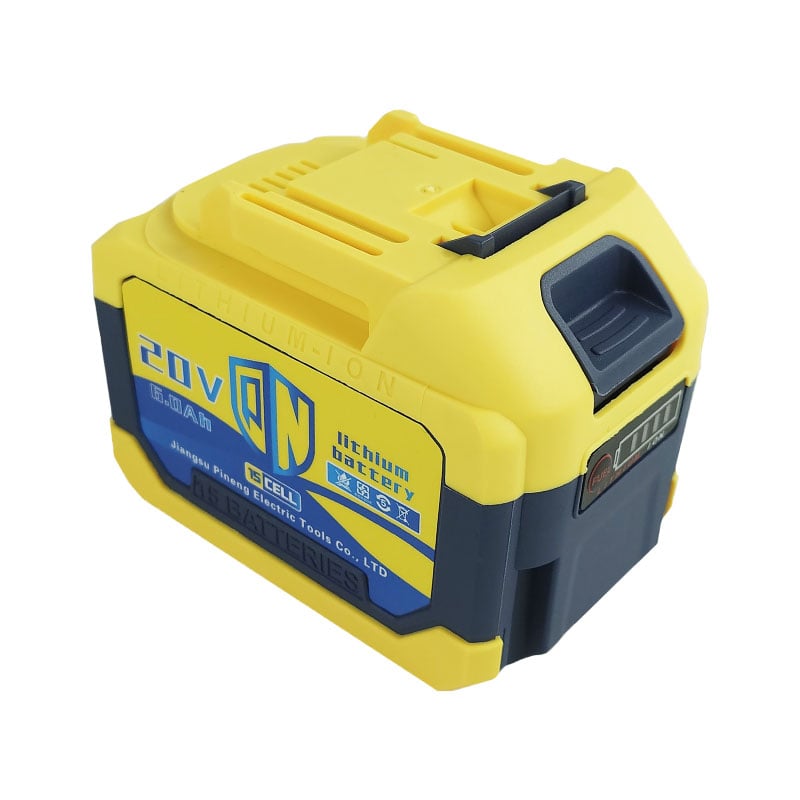
Construction and industrial job sites demand reliable power solutions that can withstand demanding conditions while maintaining consistent performance throughout the workday. Modern professionals increasingly rely on cordless tools powered by advanced battery technology, making lithium battery performance a critical factor in determining overall productivity levels. The efficiency, runtime, and reliability of these power sources directly impact project timelines, worker satisfaction, and ultimately, the bottom line for contractors and industrial operations.
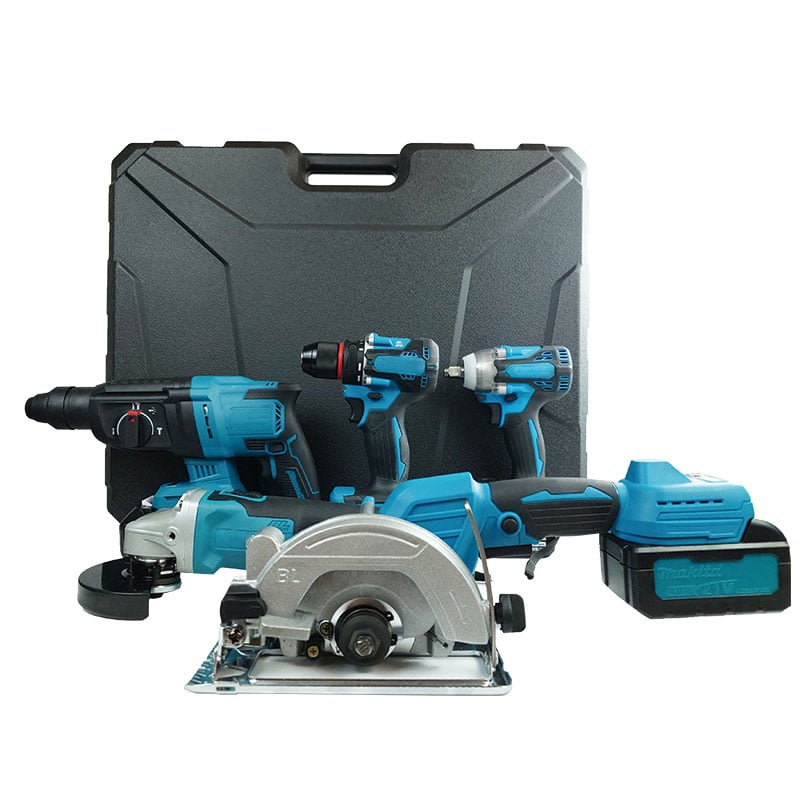
The transition from traditional power sources to lithium-ion technology has revolutionized how work gets accomplished across various industries. Unlike older battery chemistries, lithium batteries offer superior energy density, faster charging capabilities, and extended operational lifespans that translate into measurable productivity gains. Understanding the relationship between battery performance characteristics and job site efficiency helps professionals make informed decisions about tool selection and power management strategies.
Understanding Lithium Battery Technology Fundamentals
Core Performance Characteristics
Lithium battery performance encompasses several key metrics that directly influence job site productivity. Energy density determines how much power can be stored within a given battery size, affecting tool runtime and the frequency of battery changes during work sessions. High-quality lithium cells typically deliver 150-250 watt-hours per kilogram, significantly outperforming older nickel-cadmium alternatives that struggle to reach 60 watt-hours per kilogram.
Discharge characteristics represent another crucial aspect of lithium battery performance that impacts productivity. Premium lithium batteries maintain consistent voltage output throughout their discharge cycle, ensuring tools operate at peak performance levels until the battery reaches depletion. This steady power delivery prevents the gradual performance degradation commonly experienced with other battery types, where tool speed and torque diminish as charge levels drop.
Charging Speed and Efficiency
Fast charging capabilities have become a defining feature of superior lithium battery performance, directly addressing productivity concerns related to downtime. Modern lithium batteries can achieve 80% charge capacity in 30-60 minutes, compared to several hours required by older technologies. This rapid charging ability allows workers to maintain continuous productivity by rotating between batteries during brief breaks or lunch periods.
Smart charging systems integrated into advanced lithium battery platforms optimize charging cycles to maximize battery longevity while minimizing charging time. These systems monitor cell temperature, voltage levels, and charge rates to prevent overcharging and extend overall battery life. The result is consistent lithium battery performance that maintains productivity levels over extended periods of use.
Impact on Tool Performance and Efficiency
Consistent Power Delivery
The consistent voltage output characteristic of superior lithium battery performance ensures that cordless tools maintain optimal operating speeds and torque levels throughout their runtime. This consistency eliminates the frustrating slowdowns and reduced effectiveness that workers experience with inferior battery technologies as charge levels diminish. Professional-grade tools powered by high-performance lithium batteries deliver the same drilling speed, cutting power, and fastening torque from full charge to depletion.
Temperature stability represents another critical factor in lithium battery performance that affects tool efficiency on job sites. Quality lithium cells operate effectively across wide temperature ranges, from sub-freezing winter conditions to scorching summer heat. This thermal resilience ensures that tools remain productive regardless of environmental conditions, eliminating weather-related productivity losses that plague lesser battery technologies.
Extended Runtime Benefits
Extended runtime capabilities of advanced lithium batteries directly translate into increased productivity by reducing the frequency of battery changes and charging interruptions. High-capacity lithium batteries can power demanding tools for 4-8 hours of continuous use, depending on application requirements and tool specifications. This extended operational time allows workers to complete more tasks without interruption, improving workflow efficiency and project completion rates.
The relationship between lithium battery performance and runtime extends beyond simple capacity measurements. Efficient power management systems within quality battery packs optimize energy consumption based on tool requirements, automatically adjusting power output to match load demands. This intelligent power management maximizes useful runtime while preserving battery longevity for sustained productivity over the battery's operational lifetime.
Economic Benefits of Superior Battery Performance
Reduced Downtime Costs
The economic impact of lithium battery performance on job site productivity becomes apparent when examining downtime reduction benefits. Professional contractors report significant cost savings when using high-performance lithium batteries due to decreased waiting times for battery charging and fewer work interruptions. These productivity improvements translate into faster project completion rates and increased profitability for construction and industrial operations.
Labor cost optimization represents a major economic benefit of superior lithium battery performance. When workers can operate tools continuously without frequent battery changes or extended charging breaks, more productive work gets accomplished within standard working hours. This efficiency improvement reduces overtime expenses and allows contractors to complete projects within tighter schedules, enhancing competitiveness in bid situations.
Long-term Investment Value
Premium lithium batteries with exceptional performance characteristics offer superior long-term value through extended operational lifespans and consistent performance retention. Quality lithium battery performance typically remains above 80% of original capacity after 1000+ charge cycles, providing years of reliable service that justifies higher initial investment costs. This longevity reduces replacement frequency and lowers total cost of ownership compared to cheaper alternatives.
The durability advantages of professional-grade lithium batteries become particularly important in demanding job site environments. Robust construction and advanced battery management systems protect against damage from drops, vibration, dust, and moisture exposure that commonly occur in construction and industrial settings. This resilience ensures that lithium battery performance remains consistent even under harsh operating conditions.
Optimizing Battery Performance for Maximum Productivity
Proper Charging Practices
Implementing proper charging protocols is essential for maintaining optimal lithium battery performance and maximizing job site productivity over time. Following manufacturer recommendations for charging procedures, storage conditions, and maintenance schedules ensures that batteries continue delivering peak performance throughout their operational lifespan. Proper battery care practices prevent premature capacity degradation that can significantly impact productivity levels.
Temperature management during charging and storage plays a crucial role in preserving lithium battery performance characteristics. Storing batteries in climate-controlled environments when possible and avoiding extreme temperature exposure during charging helps maintain battery chemistry integrity. These practices ensure consistent performance and prevent the capacity loss that occurs when lithium batteries are subjected to temperature abuse.
Strategic Battery Management
Implementing strategic battery rotation systems maximizes productivity by ensuring fresh, fully-charged batteries are always available when needed. Professional contractors often maintain battery inventories that allow for continuous tool operation while other batteries undergo charging cycles. This systematic approach to battery management eliminates productivity losses associated with waiting for batteries to charge during critical work periods.
Regular performance monitoring helps identify declining lithium battery performance before it significantly impacts productivity. Tracking battery runtime, charging times, and performance consistency allows professionals to proactively replace batteries that no longer meet productivity requirements. This preventive approach avoids unexpected job site delays caused by battery failures or significantly reduced performance levels.
FAQ
How long do lithium batteries typically last on construction job sites
Quality lithium batteries used in construction applications typically provide 3-5 years of reliable service when properly maintained, with performance remaining above 80% of original capacity throughout most of this period. The actual lifespan depends on usage patterns, charging practices, environmental conditions, and battery quality. Professional-grade lithium battery performance often exceeds these timeframes in less demanding applications, while heavy-duty use in harsh conditions may reduce operational life to 2-3 years.
What factors most significantly impact lithium battery performance in cold weather
Cold temperatures affect lithium battery performance primarily through reduced chemical reaction rates within the battery cells, leading to decreased capacity and power output. Batteries may deliver 20-40% less runtime in freezing conditions compared to room temperature operation. However, high-quality lithium batteries with advanced thermal management systems maintain better performance in cold conditions than standard alternatives. Keeping batteries warm before use and using insulated storage solutions helps minimize cold weather performance impacts.
How does lithium battery performance compare to other battery technologies for professional tools
Lithium battery performance significantly exceeds other battery technologies across virtually all metrics important for professional tool applications. Compared to nickel-cadmium batteries, lithium units provide 2-3 times the energy density, faster charging, no memory effect, and superior temperature tolerance. Lithium batteries also outperform nickel-metal hydride alternatives with better power-to-weight ratios, longer lifespans, and more consistent voltage output throughout discharge cycles. These performance advantages make lithium technology the preferred choice for professional applications where productivity and reliability are priorities.
Can poor lithium battery performance affect tool warranty coverage
Using substandard or incompatible lithium batteries can potentially void tool warranty coverage if battery-related damage occurs. Most professional tool manufacturers specify compatible battery models and performance requirements to ensure optimal tool operation and maintain warranty validity. Poor lithium battery performance that results in inadequate power delivery, voltage fluctuations, or overheating can damage tool motors and electronic components. Following manufacturer battery recommendations and using approved battery models helps preserve warranty coverage while ensuring reliable tool performance and productivity.
Table of Contents
- Understanding Lithium Battery Technology Fundamentals
- Impact on Tool Performance and Efficiency
- Economic Benefits of Superior Battery Performance
- Optimizing Battery Performance for Maximum Productivity
-
FAQ
- How long do lithium batteries typically last on construction job sites
- What factors most significantly impact lithium battery performance in cold weather
- How does lithium battery performance compare to other battery technologies for professional tools
- Can poor lithium battery performance affect tool warranty coverage