
 EN
EN
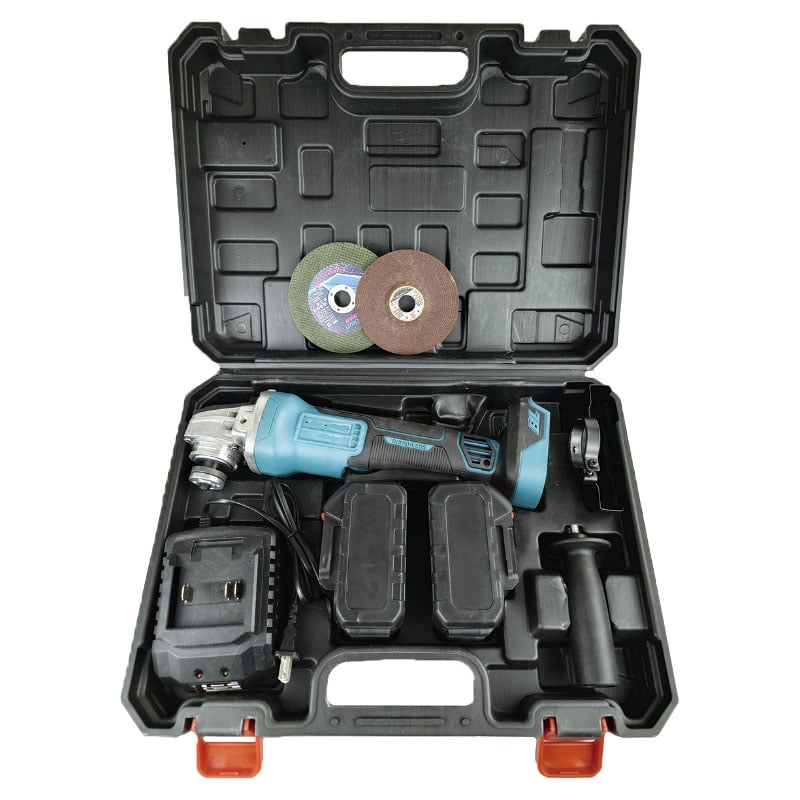
Power tool manufacturers and industrial professionals increasingly rely on lithium-ion battery technology for portable equipment, making lithium battery safety standards a critical consideration in workplace environments. These comprehensive safety protocols ensure reliable operation while protecting users from potential hazards associated with high-energy battery systems. Understanding applicable safety regulations helps businesses maintain compliance and operational excellence across diverse industrial applications.
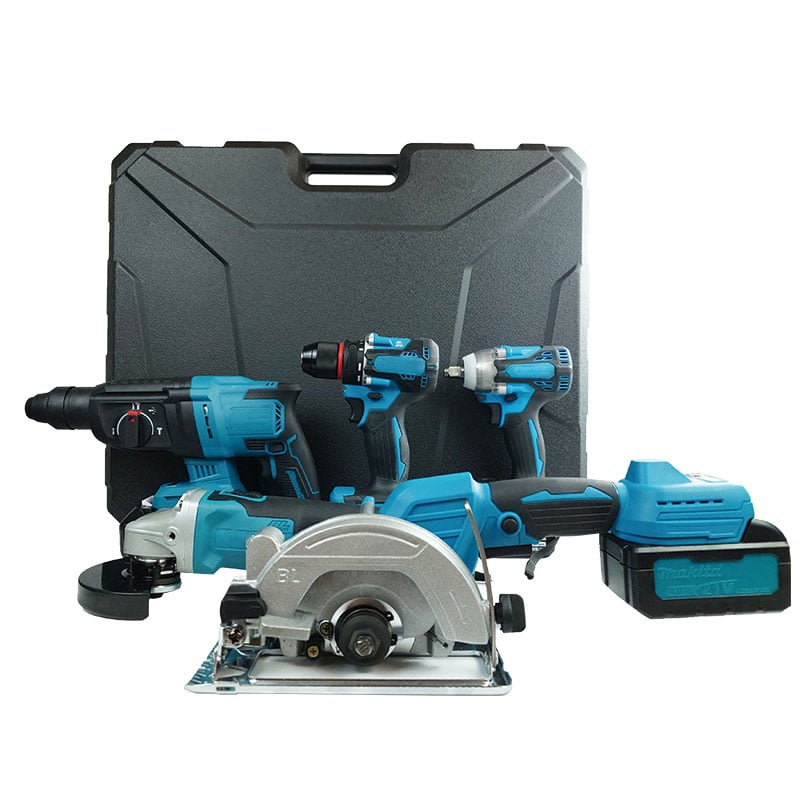
Modern power tool lithium batteries operate under stringent safety frameworks established by international certification bodies. These standards address thermal management, electrical protection, mechanical durability, and environmental resistance requirements. Professional contractors and industrial operators must understand how lithium battery safety standards impact equipment selection, maintenance protocols, and workplace safety procedures to ensure optimal performance and regulatory compliance.
International Safety Certification Requirements
UL 2054 Battery Safety Standards
The Underwriters Laboratories UL 2054 standard represents the primary safety certification for household and commercial battery systems used in power tools. This comprehensive framework evaluates lithium battery safety standards through rigorous testing protocols including overcharge protection, thermal runaway prevention, and short-circuit resistance. Manufacturers must demonstrate compliance through extensive laboratory testing before receiving UL certification for their battery products.
UL 2054 certification covers multiple safety aspects including cell construction, protection circuit functionality, and enclosure integrity. The standard requires batteries to withstand extreme temperature variations, mechanical stress, and electrical fault conditions without compromising user safety. Professional power tool users benefit from UL-certified batteries through enhanced reliability and reduced risk of thermal incidents during demanding applications.
IEC 62133 International Battery Standards
The International Electrotechnical Commission IEC 62133 standard establishes global lithium battery safety standards for portable applications including power tools and industrial equipment. This internationally recognized certification ensures consistent safety performance across different markets and regulatory environments. IEC 62133 compliance requires comprehensive testing of battery cells, protection circuits, and mechanical housing components.
IEC 62133 testing protocols evaluate battery behavior under abuse conditions such as overcharging, forced discharge, and external heating. The standard mandates specific safety features including pressure relief mechanisms, thermal shutdown protection, and electrical isolation systems. Power tool manufacturers implementing lithium battery safety standards according to IEC 62133 provide users with globally accepted safety assurance for professional applications.
Thermal Management and Protection Systems
Battery Thermal Monitoring Technologies
Advanced thermal monitoring systems form essential components of modern lithium battery safety standards in power tool applications. These sophisticated protection circuits continuously monitor cell temperatures during charging, discharging, and storage operations. Temperature sensors integrated within battery packs provide real-time data to control circuits that implement protective actions when thermal limits are approached.
Professional power tools equipped with comprehensive thermal management systems demonstrate superior safety performance during intensive use cycles. Multi-zone temperature monitoring enables precise control of individual cell groups within larger battery packs. This granular approach to thermal protection ensures that lithium battery safety standards are maintained even during peak power demand situations common in industrial applications.
Thermal Runaway Prevention Mechanisms
Thermal runaway prevention represents the most critical aspect of lithium battery safety standards for power tool applications. Modern battery management systems incorporate multiple protection layers including current limiting, voltage regulation, and emergency shutdown capabilities. These integrated safety features work together to prevent dangerous thermal events that could compromise user safety or equipment integrity.
Advanced battery designs implement physical barriers between cells to contain potential thermal events and prevent propagation throughout the battery pack. Flame-retardant materials and pressure relief mechanisms provide additional protection layers that align with established lithium battery safety standards. Professional users benefit from these comprehensive safety systems through improved operational confidence and reduced maintenance requirements.
Electrical Protection and Circuit Safeguards
Overcurrent Protection Systems
Electrical protection circuits ensure that lithium battery safety standards are maintained during high-current power tool operations. Sophisticated current monitoring systems detect abnormal electrical conditions and implement protective responses within microseconds. These rapid-response protection mechanisms prevent damage to battery cells while maintaining consistent power delivery for professional applications.
Multi-stage overcurrent protection provides graduated responses to different severity levels of electrical faults. Initial protection stages may reduce output power to safe levels while maintaining tool operation. Severe fault conditions trigger immediate disconnect mechanisms that isolate battery systems to prevent potential safety hazards. This hierarchical approach to electrical protection ensures that lithium battery safety standards are enforced without unnecessary operational interruptions.
Voltage Regulation and Cell Balancing
Precise voltage regulation maintains optimal operating conditions for lithium battery cells while enforcing established safety parameters. Advanced battery management systems monitor individual cell voltages and implement balancing algorithms to prevent overcharge or deep discharge conditions. These sophisticated control systems ensure that lithium battery safety standards are maintained throughout the entire battery lifecycle.
Cell balancing technologies actively redistribute charge between individual cells to maintain uniform voltage levels across the entire battery pack. This process extends battery life while preventing potentially dangerous voltage imbalances that could compromise safety performance. Professional power tool users benefit from consistent performance and enhanced safety through proper implementation of voltage regulation systems that comply with lithium battery safety standards.
Mechanical Durability and Environmental Resistance
Impact Resistance Testing Requirements
Mechanical durability testing ensures that power tool batteries maintain lithium battery safety standards under demanding operational conditions. Comprehensive impact testing evaluates battery performance after exposure to drops, vibrations, and mechanical shock events typical in construction and industrial environments. These rigorous testing protocols verify that safety systems remain functional even after significant mechanical stress.
Multi-axis impact testing simulates real-world conditions where power tools may experience sudden impacts or falls during normal use. Battery enclosures must demonstrate structural integrity while protecting internal components from mechanical damage. Successful completion of impact resistance testing confirms that lithium battery safety standards are maintained throughout the expected service life of professional power tools.
Environmental Sealing and Moisture Protection
Environmental protection systems ensure that lithium battery safety standards are maintained across diverse operating conditions including extreme temperatures, humidity, and dust exposure. Advanced sealing technologies prevent moisture ingress while allowing necessary pressure equalization during temperature cycling. These sophisticated protection systems enable reliable operation in challenging industrial environments.
IP rating certifications verify the effectiveness of environmental protection systems in preventing contamination that could compromise battery safety or performance. Professional-grade power tools often achieve IP54 or higher ratings, demonstrating resistance to dust and water spray conditions. This level of environmental protection ensures that lithium battery safety standards are maintained during outdoor construction work and industrial applications.
Charging Safety Protocols and Requirements
Smart Charging System Integration
Intelligent charging systems play crucial roles in maintaining lithium battery safety standards throughout the battery lifecycle. Advanced charger designs incorporate real-time communication with battery management systems to optimize charging parameters based on cell condition, temperature, and age factors. This sophisticated coordination ensures safe and efficient charging while maximizing battery performance and longevity.
Multi-stage charging protocols implement different current and voltage profiles during various phases of the charging cycle. Initial stages may use higher current levels for rapid charging, while final stages switch to precision voltage control for complete charging without overcharge conditions. These intelligent charging systems ensure that lithium battery safety standards are maintained while providing convenient rapid charging for professional applications.
Temperature-Compensated Charging Controls
Temperature compensation systems adjust charging parameters based on ambient and battery temperature conditions to maintain optimal safety performance. Cold weather charging requires modified voltage and current profiles to prevent lithium plating and ensure safe charge acceptance. Hot weather conditions necessitate reduced charging rates to prevent thermal stress and maintain compliance with lithium battery safety standards.
Advanced temperature monitoring enables precise control of charging processes across wide temperature ranges commonly encountered in professional applications. Integrated sensors provide continuous feedback to charging control circuits that implement appropriate safety measures for each operating condition. This comprehensive approach to temperature management ensures that lithium battery safety standards are maintained regardless of environmental conditions.
Regulatory Compliance and Industry Standards
OSHA Workplace Safety Requirements
Occupational Safety and Health Administration guidelines establish workplace safety requirements for lithium battery use in professional environments. These regulations address proper handling procedures, storage requirements, and emergency response protocols for battery-powered equipment. Employers must ensure that workers receive appropriate training on lithium battery safety standards and proper equipment usage procedures.
OSHA compliance requires implementation of comprehensive safety programs that address potential hazards associated with lithium battery systems. Regular safety training, proper personal protective equipment, and established emergency procedures form essential elements of compliant workplace safety programs. Professional contractors benefit from reduced liability and improved worker safety through adherence to established lithium battery safety standards and OSHA requirements.
Transportation and Storage Regulations
Department of Transportation regulations govern the safe transport and storage of lithium battery-powered equipment in commercial environments. These comprehensive requirements address packaging, labeling, and handling procedures for batteries during shipping and storage operations. Compliance with transportation regulations ensures that lithium battery safety standards are maintained throughout the supply chain.
Proper storage protocols prevent degradation and safety risks associated with long-term battery storage in warehouse and job site environments. Temperature control, charge level management, and environmental protection requirements help maintain battery performance while ensuring safety compliance. Professional equipment managers implement comprehensive storage programs that align with established lithium battery safety standards and regulatory requirements.
FAQ
Which organizations establish lithium battery safety standards for power tools
Multiple international organizations collaborate to establish comprehensive lithium battery safety standards including Underwriters Laboratories, International Electrotechnical Commission, and various national regulatory agencies. UL provides primary certification for North American markets through UL 2054 standards, while IEC 62133 serves as the global benchmark for international compliance. Additional organizations such as ANSI, IEEE, and regional certification bodies contribute specialized requirements for specific applications and markets.
How do thermal protection systems prevent battery overheating in power tools
Advanced thermal protection systems implement multiple monitoring and control mechanisms to prevent dangerous overheating conditions in power tool batteries. Temperature sensors continuously monitor cell temperatures and trigger protective responses including current limiting, cooling activation, and emergency shutdown procedures when thermal limits are approached. These integrated systems ensure that lithium battery safety standards are maintained during intensive use cycles while providing reliable power delivery for professional applications.
What testing procedures verify compliance with lithium battery safety standards
Comprehensive testing protocols evaluate battery performance under various stress conditions including overcharge, forced discharge, thermal cycling, mechanical impact, and environmental exposure tests. Certification laboratories conduct standardized test sequences that simulate abuse conditions and verify proper safety system operation. Testing procedures must demonstrate compliance with specific performance criteria established by relevant lithium battery safety standards before manufacturers can receive certification approval for their products.
How often should power tool batteries undergo safety inspection and maintenance
Regular inspection schedules depend on usage intensity and operating environment conditions, but most manufacturers recommend monthly visual inspections and annual comprehensive safety evaluations for professional applications. Daily pre-use checks should verify proper charger operation, battery housing integrity, and normal temperature ranges during charging and operation. Professional users should immediately discontinue use if any abnormal conditions are observed and consult manufacturer guidelines for proper maintenance procedures that ensure continued compliance with lithium battery safety standards.
Table of Contents
- International Safety Certification Requirements
- Thermal Management and Protection Systems
- Electrical Protection and Circuit Safeguards
- Mechanical Durability and Environmental Resistance
- Charging Safety Protocols and Requirements
- Regulatory Compliance and Industry Standards
-
FAQ
- Which organizations establish lithium battery safety standards for power tools
- How do thermal protection systems prevent battery overheating in power tools
- What testing procedures verify compliance with lithium battery safety standards
- How often should power tool batteries undergo safety inspection and maintenance