
 EN
EN
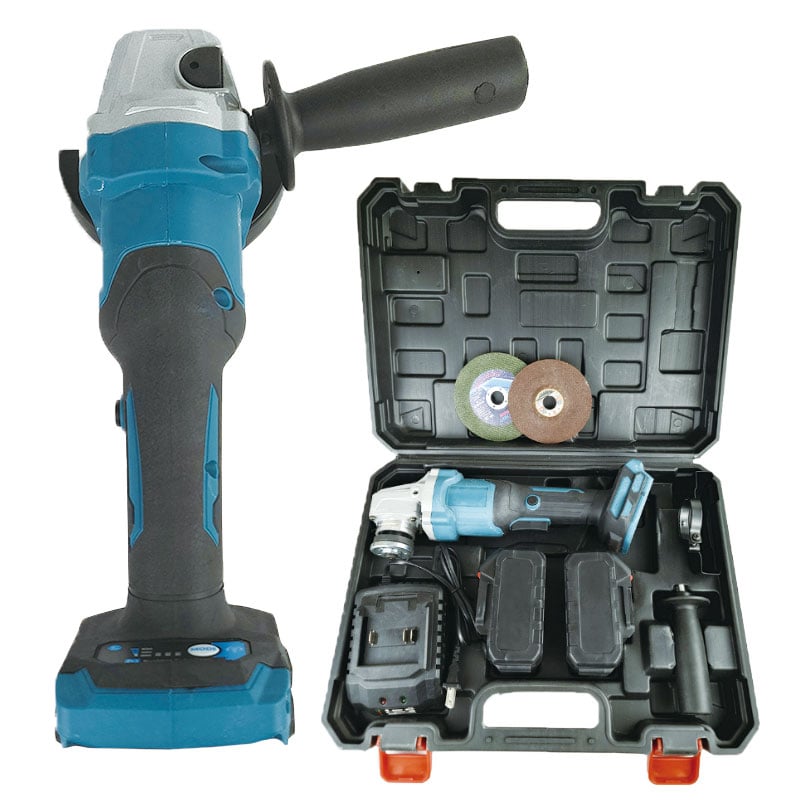
When selecting power tools for professional or DIY applications, understanding charging cycles becomes crucial for long-term investment decisions. The lithium battery for tools has revolutionized the cordless tool industry, offering superior performance and longevity compared to traditional battery technologies. However, not all lithium batteries are created equal, and their charging cycle capabilities can significantly impact tool performance, operational costs, and overall productivity. Professional contractors and workshop enthusiasts need to evaluate various charging cycle characteristics to ensure they select the most suitable lithium battery for tools that will meet their demanding work requirements.
Understanding Charging Cycle Fundamentals
What Constitutes a Complete Charging Cycle
A charging cycle represents one complete discharge and recharge sequence of a lithium battery for tools. This measurement doesn't necessarily mean using the battery from 100% to 0% and back to 100% in a single session. Instead, manufacturers calculate cycles based on cumulative usage patterns. For example, using 50% of battery capacity twice equals one complete cycle. Understanding this concept helps users maximize their lithium battery for tools lifespan through proper usage habits.
Modern lithium batteries typically offer between 300 to 2000 charging cycles before experiencing significant capacity degradation. Premium lithium battery for tools models often exceed these ranges, providing exceptional value for professional applications. The variation in cycle count depends on battery chemistry, manufacturing quality, thermal management systems, and usage patterns that directly influence long-term performance.
Factors Affecting Charging Cycle Performance
Temperature plays a critical role in determining charging cycle longevity for any lithium battery for tools. Extreme temperatures, both hot and cold, can accelerate chemical degradation processes within battery cells. Professional users should store and charge their lithium battery for tools in temperature-controlled environments whenever possible. Additionally, charging speed affects cycle life, with slower charging generally producing better long-term results than rapid charging methods.
Depth of discharge also impacts charging cycle performance significantly. Shallow discharge cycles, where the lithium battery for tools is recharged before complete depletion, typically extend overall battery lifespan. This practice contrasts with older battery technologies that benefited from complete discharge cycles. Modern lithium chemistry performs optimally when maintained between 20% and 80% charge levels during regular use.
Critical Charging Cycle Specifications
Cycle Count Ratings and Real-World Performance
Manufacturers provide cycle count ratings under standardized testing conditions that may not reflect actual work environments. A lithium battery for tools rated for 1000 cycles in laboratory conditions might achieve different performance levels in construction sites, workshops, or outdoor applications. Users should consider manufacturer testing protocols and seek independent performance reviews to understand realistic cycle expectations for their specific applications.
Professional-grade lithium battery for tools often features enhanced cycle specifications designed for demanding commercial use. These batteries incorporate advanced battery management systems, superior cell chemistry, and robust construction that supports extended cycling performance. Investment in higher-rated batteries typically provides better long-term value despite higher initial costs.
Capacity Retention Throughout Charging Cycles
Capacity retention measures how much energy storage capability remains after specific cycle counts. Quality lithium battery for tools should maintain at least 80% of original capacity after 500-800 cycles under normal operating conditions. This specification directly affects tool runtime and productivity levels throughout the battery's useful life. Users should prioritize batteries with superior capacity retention characteristics for critical applications.
Gradual capacity decline is normal for any lithium battery for tools, but the rate of decline varies significantly between manufacturers and battery grades. Premium batteries often feature sophisticated cell balancing systems that optimize individual cell performance and maintain overall pack capacity longer than basic models. This technology ensures consistent power delivery throughout the battery's operational lifespan.
Optimizing Charging Cycle Management
Smart Charging Technologies and Their Benefits
Advanced charging systems can significantly extend the effective lifespan of any lithium battery for tools through intelligent power management. Smart chargers monitor cell voltage, temperature, and charging current to optimize each charging cycle. These systems prevent overcharging, reduce heat generation, and balance individual cell charges to maintain pack integrity over thousands of cycles.
Rapid charging capabilities, while convenient, should be used judiciously to preserve long-term lithium battery for tools performance. Many professional users implement charging strategies that balance convenience with longevity, using rapid charging for urgent situations while relying on standard charging for routine applications. This approach maximizes both productivity and battery investment value.
Maintenance Practices for Extended Cycle Life
Proper maintenance significantly influences charging cycle performance for any lithium battery for tools. Regular cleaning of battery contacts, appropriate storage conditions, and periodic calibration cycles help maintain optimal performance characteristics. Users should also avoid exposing batteries to extreme temperatures, moisture, or physical impacts that can accelerate degradation processes.
Storage protocols become particularly important for lithium battery for tools used intermittently. Batteries should be stored at approximately 50% charge in cool, dry environments to minimize capacity loss during extended periods of non-use. Following manufacturer guidelines for storage and maintenance ensures maximum charging cycle performance throughout the battery's operational life.
Professional Applications and Cycle Requirements
High-Demand Professional Environments
Construction professionals, electricians, and manufacturing workers require lithium battery for tools capable of handling multiple daily charging cycles without performance degradation. These demanding applications often exceed typical consumer usage patterns, necessitating batteries with superior cycle specifications and robust construction. Professional users should evaluate their daily tool usage patterns to select appropriately rated batteries.
Fleet management considerations become important for organizations operating multiple tools with standardized lithium battery for tools systems. Implementing systematic charging schedules, battery rotation protocols, and performance monitoring helps maximize fleet productivity while minimizing replacement costs. These strategies ensure consistent tool availability throughout demanding work schedules.
Specialized Industry Requirements
Certain industries have unique charging cycle requirements that standard lithium battery for tools may not adequately address. Medical device manufacturing, aerospace applications, and precision electronics work often demand batteries with exceptional cycle consistency and minimal performance variation. These specialized applications may require custom battery solutions or premium-grade commercial batteries.
Emergency response and safety applications present another category where charging cycle reliability becomes critical. Fire departments, emergency medical services, and security organizations depend on lithium battery for tools that maintain consistent performance throughout extended operational periods. Battery failure in these contexts can have serious safety implications, making cycle specifications particularly important.
Emerging Technologies and Future Developments
Next-Generation Battery Chemistry
Advanced lithium battery for tools technologies continue evolving to provide improved charging cycle performance. Lithium iron phosphate chemistry offers enhanced cycle life and thermal stability, while silicon nanowire anodes promise significantly increased cycle counts. These developments will likely become standard features in professional-grade batteries within the coming years.
Solid-state battery technology represents another promising advancement for lithium battery for tools applications. These batteries eliminate liquid electrolytes, reducing fire risk while potentially offering thousands of additional charging cycles compared to current technologies. Early commercial applications are expected to focus on professional and industrial markets before expanding to consumer products.
Integration with Digital Tool Ecosystems
Modern lithium battery for tools increasingly incorporate digital connectivity features that enable real-time cycle monitoring and performance optimization. Mobile applications allow users to track charging histories, receive maintenance alerts, and optimize charging schedules based on usage patterns. These technologies help users maximize their battery investments through data-driven management strategies.
Predictive maintenance capabilities enabled by connected lithium battery for tools systems can prevent unexpected failures and optimize replacement timing. Advanced analytics identify performance trends and recommend maintenance actions before critical failures occur. This technology particularly benefits professional users managing large tool fleets where unexpected downtime creates significant productivity impacts.
FAQ
How many charging cycles should I expect from a quality lithium battery for tools?
Professional-grade lithium battery for tools typically provide 800-1500 charging cycles before reaching 80% capacity retention. Consumer-grade batteries may offer 300-800 cycles, while premium models can exceed 2000 cycles under optimal conditions. Actual performance depends on usage patterns, charging practices, and environmental factors that affect battery chemistry over time.
Does rapid charging reduce the total number of available cycles?
Rapid charging can reduce total cycle count if used exclusively, as higher charging currents generate additional heat and stress battery chemistry. However, occasional rapid charging typically has minimal impact on overall cycle life. Balancing rapid charging for urgent needs with standard charging for routine use provides the best combination of convenience and longevity for lithium battery for tools applications.
Can I extend battery cycle life through specific charging practices?
Yes, several practices can extend cycle life for lithium battery for tools. Avoid complete discharge cycles, maintain charge levels between 20-80% when possible, and use appropriate charging temperatures. Additionally, storing batteries at 50% charge in cool environments during extended non-use periods helps preserve long-term performance characteristics and maximize total cycle count.
What happens when a lithium battery for tools reaches its cycle limit?
When reaching rated cycle limits, lithium battery for tools gradually lose capacity rather than failing completely. Batteries typically retain 70-80% of original capacity after rated cycle completion, still providing usable performance for less demanding applications. Users can continue using these batteries for lighter tasks while investing in fresh batteries for primary professional applications.