
 EN
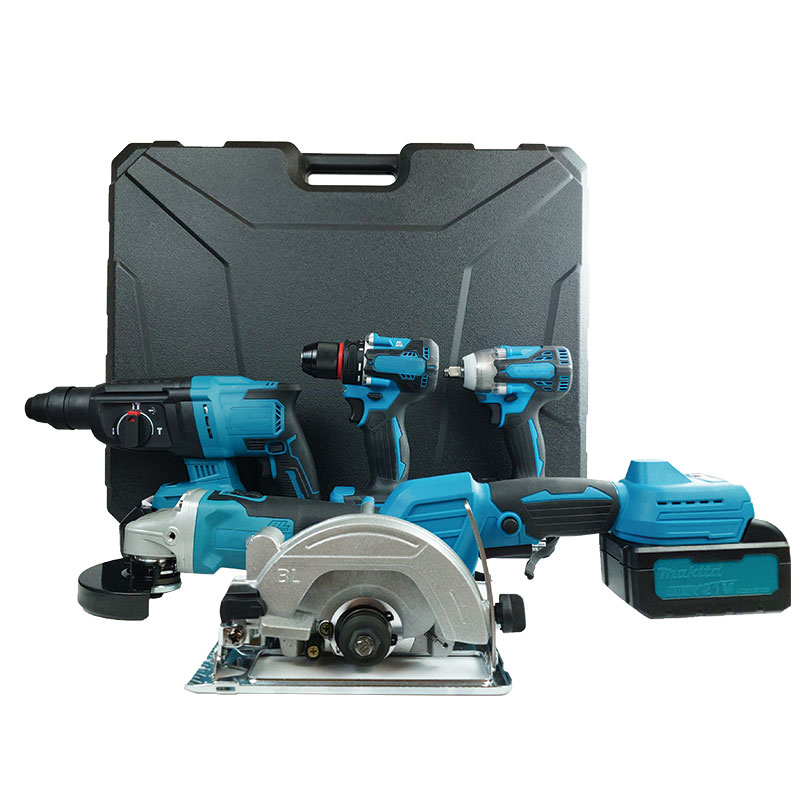
Proper maintenance of your power tools set is essential for ensuring consistent performance, safety, and longevity across all your equipment. Whether you use your cordless tool kit for professional applications or personal projects, a well-maintained power tools set will serve you reliably for years to come. Neglecting maintenance can lead to reduced efficiency, unexpected breakdowns, and costly replacements that could have been prevented with simple, regular care routines.
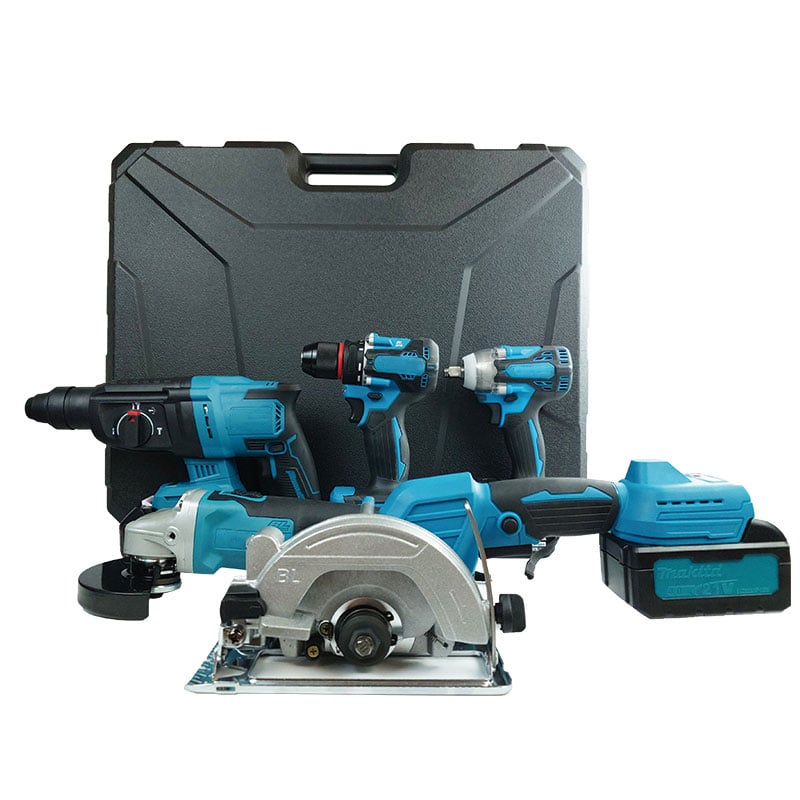
The foundation of long-term care begins with understanding how each component of your portable tool kit functions and what environmental conditions support its optimal operation. Your professional hand tool collection represents a significant investment, and treating maintenance as a priority rather than an afterthought will dramatically extend the life of every tool in your arsenal. This guide walks you through practical, actionable maintenance strategies that protect your equipment and maximize your return on investment.
Battery and Charging System Maintenance
Understanding Battery Health in Your Cordless Tool Kit
The battery is the heart of any cordless tool kit, and its condition directly determines how well your power tools set performs during demanding tasks. Lithium-ion batteries, found in most modern portable tool kits, require specific care to maintain peak charge capacity and cycle life. Store batteries in a cool, dry environment between 50°F and 86°F whenever possible, as extreme temperatures accelerate internal degradation and reduce overall lifespan.
Avoid storing your cordless tool kit with fully discharged batteries for extended periods. Instead, maintain a partial charge of around 40 to 60 percent when you plan to store your professional hand tool collection for weeks or months. This approach balances the stress on battery cells and prevents the chemical reactions that can permanently reduce capacity. Additionally, inspect battery contacts regularly for dirt or corrosion, and clean them gently with a dry cloth to ensure efficient energy transfer to your power tools set.
Charger Optimization and Cable Care
The charger is equally important to the battery itself within your cordless tool kit system. Keep charger vents clear of dust and debris by wiping them monthly with a soft brush, allowing proper airflow and heat dissipation during charging cycles. Check power cables for cracks, fraying, or damage before each use, as compromised insulation poses safety risks and may indicate internal wire damage that affects charging efficiency across your portable tool kit.
Never leave batteries charging unattended for extended periods, and remove them from the charger immediately after the charging cycle completes. Overcharging stresses battery cells and generates unnecessary heat, shortening the effective life of your professional hand tool collection's power source. If you notice your power tools set charges more slowly than usual, the charger may need cleaning or replacement rather than a battery upgrade.
Cleaning and Storage Practices
Regular Cleaning Protocols for Your Portable Tool Kit
Dust, debris, and moisture are the primary enemies of any power tools set, particularly in vents, motor openings, and mechanical joints. After each use, wipe down the exterior of your cordless tool kit with a dry or slightly damp cloth, paying special attention to areas where sawdust, metal shavings, or concrete powder accumulate. For your professional hand tool collection, remove stubborn deposits with a soft brush, never using high-pressure water or compressed air that might force contaminants deeper into motor housings.
Motor vents require particular attention because blocked airflow reduces cooling capacity and causes your power tools set to overheat during extended operation. Use a dry cloth or soft brush monthly to clear these openings, especially if your portable tool kit operates in dusty environments like construction sites or woodworking shops. Chemical cleaners or solvents should be avoided on most power tools unless specifically recommended by the manufacturer, as they can damage plastic housings, seals, and internal components within your cordless tool kit.
Storage Solutions and Environmental Control
Where and how you store your professional hand tool collection dramatically influences its long-term condition and readiness for future projects. Maintain storage in a controlled environment with stable temperature and low humidity, ideally between 32°F and 104°F with humidity below 50 percent. High moisture promotes rust on metal components and encourages corrosion on electrical contacts, accelerating deterioration of your power tools set far faster than normal use would.
Invest in a quality tool case or storage system designed for your cordless tool kit, which protects each item from dust, impact, and environmental fluctuations. Hard-shell cases or foam-lined organizers keep your portable tool kit compact and prevent tools from shifting or damaging each other during transport. For longer storage periods, consider placing silica gel packets inside the case to manage moisture levels and protect the integrity of your professional hand tool collection and power tools set.
Mechanical Maintenance and Inspection
Checking Fasteners, Guards, and Moving Parts
Your cordless tool kit contains numerous fasteners, springs, and moving mechanisms that loosen over time through vibration and regular use. Every few months, inspect visible screws, bolts, and fasteners on your power tools set, tightening any that have shifted with a proper-sized screwdriver or wrench. Loose fasteners can escalate into serious problems, affecting balance, performance, and safety during operation of your portable tool kit.
Safety guards and protective covers on your professional hand tool collection should move freely and fit securely, preventing accidental contact with spinning bits, blades, or rotating components. If a guard sticks or feels damaged, clean around it gently and verify the underlying mechanism functions correctly. Never remove or disable guards to increase convenience, as they are engineered into your power tools set specifically to protect users from injury and maintain safe operation throughout the tool's lifespan.
Brush Inspection and Electrical Component Health
Brushes inside the motor of your cordless tool kit gradually wear down through normal use, and excessive brush wear reduces electrical contact and tool performance. While professional servicing is recommended for brush replacement, you can inspect your portable tool kit for signs of trouble like reduced power, unusual noises, or visible sparking when operating your power tools set. If you notice these warning signs, consult the manufacturer or a qualified technician rather than attempting internal repairs that could damage your professional hand tool collection.
Electrical connections and contacts throughout your cordless tool kit should remain clean and corrosion-free to ensure consistent performance. Check battery dock connectors and any interchangeable quick-connect systems on your portable tool kit monthly, removing any white powder or discoloration with a dry cloth. A power tools set with compromised electrical connections will exhibit inconsistent power delivery and potential safety hazards that compromise your professional hand tool collection's reliability.
FAQ
How often should I perform maintenance on my cordless tool kit?
Monthly inspections and cleaning are ideal for maintaining your portable tool kit, particularly if your power tools set receives regular use. After heavy use or operation in dusty environments, inspect your professional hand tool collection more frequently. Additionally, always perform a quick visual inspection before storing your cordless tool kit for extended periods to catch any emerging issues early.
What is the ideal storage temperature for a professional hand tool collection?
Store your portable tool kit in an environment between 50°F and 86°F with humidity below 50 percent for optimal long-term preservation. Extreme temperatures damage battery chemistry and can warp plastic components in your power tools set. Avoid areas like unheated garages, basements, or outdoor sheds where seasonal temperature swings stress every component of your cordless tool kit.
Can I use water to clean my power tools set?
A slightly damp cloth works for exterior cleaning of your portable tool kit, but avoid soaking or using pressurized water on your professional hand tool collection or cordless tool kit. Never submerge your power tools set or spray water directly into motor vents and openings. High-pressure water forces moisture into sealed components where it causes corrosion and electrical damage that compromises the safety and function of your equipment.