
 EN
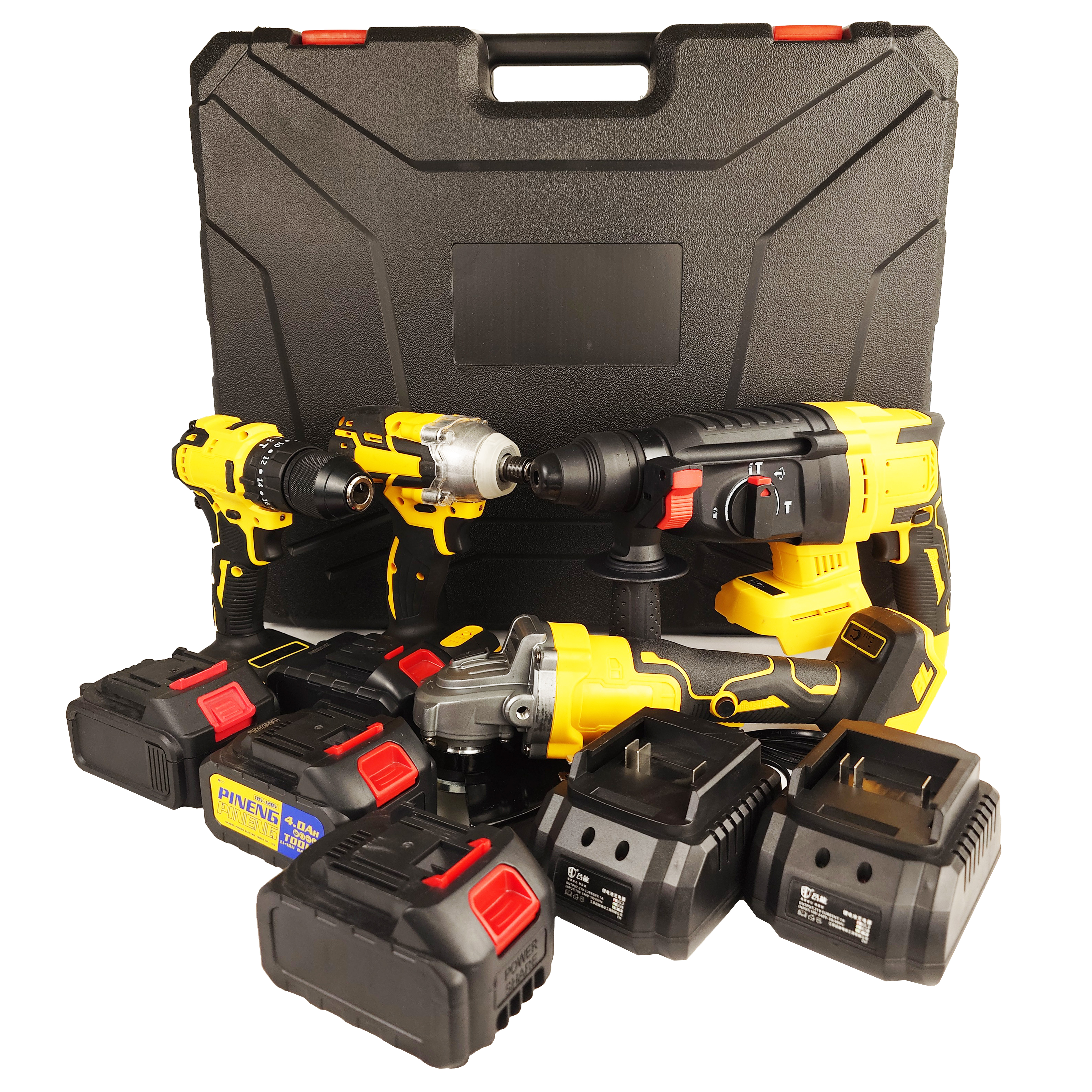
Battery capacity is one of the most critical factors determining the effectiveness and reliability of any power tools set. When selecting a cordless tool kit or professional hand tool collection, understanding amp-hour ratings and energy density becomes essential for maximizing productivity on job sites. The capacity of batteries directly influences how long you can work continuously, how much power tools deliver during demanding tasks, and ultimately how much value you extract from your investment in a portable tool kit.
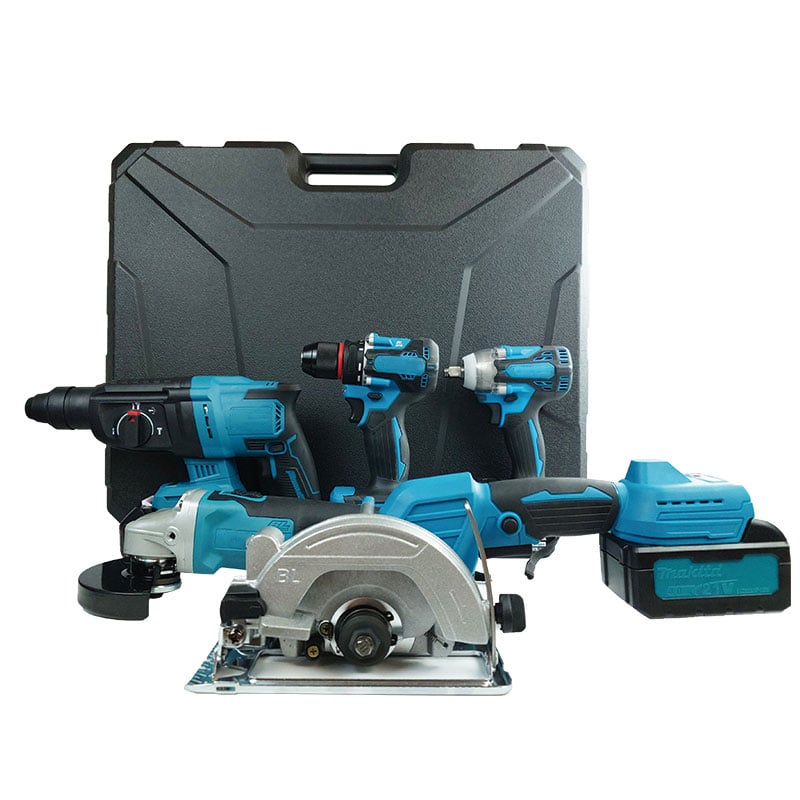
Professionals and hobbyists alike need to recognize that not all batteries are created equal. A cordless tool kit with inadequate battery capacity will drain quickly, leaving you stranded mid-project. Conversely, a portable tool kit equipped with properly sized batteries ensures consistent performance, reduces downtime for charging, and enhances your ability to complete complex tasks without interruption. This guide explores why battery capacity deserves your careful attention when evaluating any power tools set.
Understanding Battery Capacity and Amp-Hours
What Amp-Hours Really Mean
Battery capacity in a power tools set is measured in amp-hours, often abbreviated as Ah. This metric represents the amount of electrical charge a battery can deliver over a one-hour period. A 2.0Ah battery will theoretically power a tool at one amp for two hours, while a 4.0Ah battery extends that duration to four hours. Understanding this fundamental relationship helps you assess whether your cordless tool kit will meet your typical project demands.
Higher capacity batteries in a professional hand tool collection provide extended runtime without requiring mid-project charging breaks. For contractors working on residential or commercial sites, a portable tool kit with 4.0Ah to 5.0Ah batteries offers genuine productivity advantages. Smaller projects around the workshop may only require 2.0Ah capacity, but serious users consistently report that going one level higher in battery capacity eliminates frustration and accelerates job completion.
Voltage and Power Delivery
While amp-hours measure duration, voltage determines the raw power output of your cordless tool kit. An 18V power tools set with a 2.0Ah battery delivers different performance than an 18V portable tool kit with a 5.0Ah battery. The combination of voltage and capacity creates the real-world performance envelope. Most professional-grade cordless tool kits operate at 18V or 20V, with higher voltage generally enabling more demanding applications like drilling through tough materials or driving large fasteners.
A professional hand tool collection should balance voltage and amp-hour ratings to match your intended applications. Impact drivers and hole saws demand sustained power that only higher-capacity batteries reliably deliver. Lightweight fastening tasks may tolerate smaller batteries, but mixing capacity levels within a single power tools set creates operational inconsistency and frustration.
Runtime and Real-World Performance Implications
Continuous Work Window and Project Efficiency
Battery capacity directly determines the continuous work window your power tools set provides before requiring a charge. A cordless tool kit with 3.0Ah batteries allows roughly 30 to 45 minutes of typical drilling or driving work, depending on load intensity. A portable tool kit with 5.0Ah batteries extends that window to 60 to 90 minutes. For professionals managing multiple projects or large installations, this difference translates directly to time savings and improved profitability.
Many experienced users maintain two batteries with their power tools set, alternating between them while one charges. This strategy nearly doubles effective runtime and keeps a professional hand tool collection productive throughout an entire workday. However, starting with higher capacity batteries reduces the pressure to buy additional backup batteries, lowering total ownership cost for a portable tool kit.
Power Maintenance Under Load
Battery capacity also affects voltage stability when your cordless tool kit operates under heavy load. As batteries discharge, their voltage naturally drops slightly. Larger capacity batteries experience slower voltage sag, meaning your power tools set maintains more consistent force throughout the battery discharge cycle. This consistency becomes critically important when driving fasteners into hard materials or drilling through dense surfaces where consistent torque prevents bit breakage and ensures quality results.
A professional hand tool collection with undersized batteries will exhibit noticeable performance degradation during the final 20-30% of battery depletion. Switching to a portable tool kit with higher amp-hour ratings virtually eliminates this performance cliff, providing reliable output from full charge until the battery reaches critical depletion.
Selecting the Right Capacity for Your Needs
Application Type and Duty Cycle
Choosing appropriate battery capacity for your power tools set depends entirely on how you use it. Light-duty homeowners performing occasional fastening tasks may find 2.0Ah to 2.5Ah batteries sufficient for a cordless tool kit. Professional contractors, remodelers, and framers running continuous drilling and driving operations should prioritize 4.0Ah or higher for their professional hand tool collection. Dedicated workshop users who operate a portable tool kit daily benefit from 5.0Ah to 6.0Ah batteries that minimize charging interruptions.
Consider your typical project timeline and charging accessibility. If you can charge during lunch breaks or between jobs, moderate capacity works fine. If you work continuously without charging opportunities, prioritize higher amp-hour ratings in your power tools set to maintain productivity momentum.
Budget Considerations and Total System Cost
Higher capacity batteries increase the upfront price of a cordless tool kit, but the productivity gains often justify the expense for professional users. A power tools set with 5.0Ah batteries costs more initially than a 2.0Ah system, yet pays dividends through faster project completion and reduced charging downtime. Many professionals find that investing in higher capacity batteries for their portable tool kit reduces total ownership cost when accounting for time savings and improved efficiency.
Budget-conscious homeowners building their first professional hand tool collection might start with moderate capacity batteries and upgrade later as needs become clear. This phased approach lets you learn your actual capacity requirements before committing to premium equipment across an entire power tools set.
FAQ
How do I know if my power tools set battery capacity is adequate?
Monitor your cordless tool kit during typical projects and note when batteries deplete. If you need charging breaks mid-project or notice performance degradation before completion, your portable tool kit likely needs higher capacity batteries. Most professionals using a professional hand tool collection report satisfaction when battery amp-hours match or exceed their longest typical work sessions by 25-50%.
Can I use different amp-hour batteries interchangeably in my cordless tool kit?
Yes, batteries with matching voltage ratings work interchangeably in most modern power tools sets, assuming they use compatible connectors. A professional hand tool collection typically includes batteries with identical connector interfaces, so swapping a 2.0Ah with a 5.0Ah battery presents no technical problems. Your portable tool kit will simply deliver different runtimes based on which battery you install.
Does higher battery capacity mean my power tools set charges more slowly?
Charge time depends primarily on your charger specifications rather than battery capacity alone. A cordless tool kit with high-capacity batteries charged by a standard charger takes longer than a low-capacity battery charged by a fast charger. Professional-grade chargers designed for your power tools set often include fast-charge capability regardless of whether you're charging a 2.0Ah or 5.0Ah battery, making high capacity a practical choice for your professional hand tool collection or portable tool kit.