 EN
EN
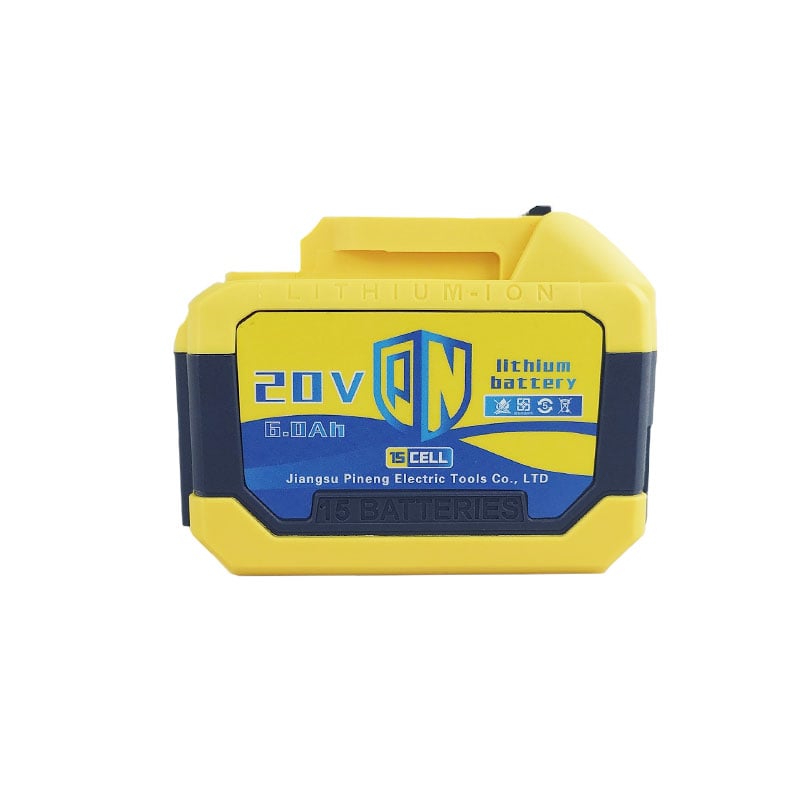
Sourcing bulk power tools represents one of the most critical decisions distributors face in today's competitive market. The process extends far beyond simply placing large orders, requiring careful evaluation of multiple factors that directly impact profitability, customer satisfaction, and long-term business relationships. Distributors must navigate complex supply chains, assess quality standards, and balance cost considerations against performance requirements when selecting bulk power tools for their inventory portfolios.
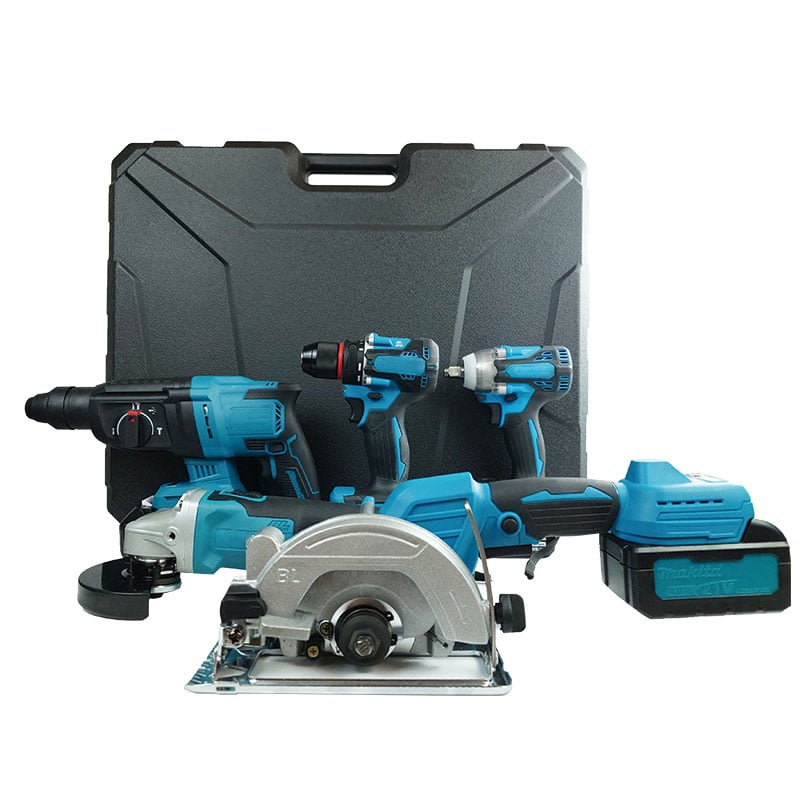
The modern distribution landscape demands strategic thinking when procuring bulk power tools, as market dynamics continue evolving rapidly. Successful distributors understand that effective sourcing strategies must encompass comprehensive supplier evaluation, rigorous quality assessment protocols, and thorough market analysis. These fundamental considerations ultimately determine whether bulk power tools purchases generate sustainable profit margins while meeting customer expectations across diverse market segments.
Supplier Reliability and Manufacturing Standards
Production Capacity Assessment
Evaluating a supplier's production capacity forms the foundation of successful bulk power tools procurement strategies. Distributors must thoroughly investigate manufacturing facilities, production line capabilities, and quality control systems before committing to large-volume orders. Understanding production schedules, lead times, and scalability potential helps distributors align their inventory planning with supplier capabilities, ensuring consistent product availability throughout peak demand periods.
Production capacity extends beyond basic manufacturing volume to encompass technological advancement, automation levels, and workforce expertise. Modern bulk power tools suppliers should demonstrate advanced manufacturing processes, incorporating precision machinery and skilled technicians capable of maintaining consistent quality standards. Distributors benefit from suppliers who invest in continuous improvement initiatives, ensuring their bulk power tools offerings remain competitive in evolving market conditions.
Quality Certification Standards
International quality certifications provide essential benchmarks for evaluating bulk power tools suppliers and their manufacturing processes. ISO certifications, CE markings, and industry-specific compliance standards indicate suppliers' commitment to maintaining consistent quality levels across production runs. These certifications become particularly crucial when distributors serve markets with strict regulatory requirements or professional contractors who demand certified equipment for their operations.
Quality certification verification should include on-site facility inspections, third-party audit reports, and comprehensive documentation review. Distributors must ensure their chosen suppliers maintain active certifications and demonstrate continuous compliance with evolving standards. This diligence protects distributors from potential liability issues while ensuring their bulk power tools meet professional grade specifications required by discerning customers.
Cost Structure Analysis and Pricing Models
Volume Discount Negotiations
Volume pricing structures significantly impact the overall profitability of bulk power tools procurement initiatives. Distributors must understand how suppliers calculate volume discounts, minimum order quantities, and tier-based pricing models to optimize their purchasing strategies. Effective negotiation requires comprehensive market research, competitive pricing analysis, and clear understanding of suppliers' cost structures and margin requirements.
Successful volume discount negotiations extend beyond simple price reductions to encompass payment terms, shipping arrangements, and exclusive territory agreements. Distributors should explore opportunities for progressive discounting based on annual purchase commitments, early payment incentives, and co-marketing support programs. These comprehensive agreements create mutual benefits while securing favorable pricing for bulk power tools across extended partnership periods.
Total Cost of Ownership Considerations
Total cost analysis encompasses multiple factors beyond initial purchase prices when evaluating bulk power tools sourcing decisions. Transportation costs, customs duties, warehousing requirements, and inventory carrying costs significantly impact overall profitability. Distributors must calculate these additional expenses accurately to determine true product costs and establish appropriate retail pricing strategies for their target markets.
Hidden costs often emerge through warranty claims, product returns, and customer service requirements associated with bulk power tools distribution. Suppliers offering comprehensive warranty support, technical documentation, and training programs help distributors minimize these ongoing expenses. Evaluating suppliers' post-sale support capabilities ensures distributors can maintain customer satisfaction while controlling operational costs throughout the product lifecycle.
Product Quality and Performance Specifications
Technical Specifications Verification
Thorough technical specification verification ensures bulk power tools meet performance requirements across diverse application scenarios. Distributors must evaluate motor specifications, battery life, torque ratings, and durability standards against customer expectations and industry benchmarks. Independent testing laboratories provide objective performance assessments, helping distributors make informed decisions about product quality and reliability.
Performance testing should encompass real-world usage scenarios, environmental stress conditions, and extended operational cycles. Distributors benefit from suppliers who conduct comprehensive quality assurance testing and provide detailed performance documentation. This technical validation supports marketing efforts while ensuring bulk power tools deliver consistent performance levels that justify their pricing positions in competitive markets.
Durability and Reliability Testing
Durability testing protocols reveal how bulk power tools perform under intensive usage conditions and extended operational periods. Professional contractors and industrial users require tools that maintain performance standards despite frequent use, harsh environments, and demanding applications. Suppliers should provide durability test results, failure analysis reports, and mean time between failure statistics to demonstrate product reliability.
Reliability assessment includes evaluating component quality, manufacturing tolerances, and design robustness across the entire product line. Distributors must understand how bulk power tools perform in various environmental conditions, including temperature extremes, humidity exposure, and dust contamination. This comprehensive evaluation helps distributors position products appropriately while setting realistic customer expectations about product longevity and maintenance requirements.
Market Demand and Customer Requirements
Target Market Analysis
Understanding target market characteristics drives effective bulk power tools selection and inventory planning strategies. Different customer segments prioritize various features, with professional contractors emphasizing durability and performance while DIY enthusiasts focus on ease of use and value pricing. Distributors must align their product selections with specific market demands to maximize sales velocity and customer satisfaction.
Market analysis should include geographic considerations, seasonal demand patterns, and competitive landscape assessment. Regional preferences for specific brands, power configurations, and accessory packages influence bulk power tools sourcing decisions. Distributors serving multiple markets benefit from suppliers offering diverse product configurations and customization options to meet varied customer requirements across different territories.
Customer Support Infrastructure
Comprehensive customer support infrastructure enhances the value proposition of bulk power tools distribution operations. Suppliers should provide technical support resources, repair service networks, and replacement parts availability to support distributors' customer service objectives. Access to training materials, product documentation, and troubleshooting guides enables distributors to provide expert assistance to their customers.
Customer support extends to marketing assistance, sales training programs, and promotional material development. Suppliers offering comprehensive support packages help distributors build stronger customer relationships while reducing their operational overhead costs. Effective support infrastructure becomes particularly valuable when introducing new bulk power tools products or expanding into new market segments requiring specialized knowledge and expertise.
Supply Chain Logistics and Distribution
Shipping and Delivery Coordination
Efficient shipping and delivery coordination ensures bulk power tools reach distributors' facilities promptly and in optimal condition. Suppliers should demonstrate reliable logistics capabilities, including appropriate packaging systems, freight management expertise, and tracking capabilities. Understanding shipping timelines, delivery windows, and handling requirements helps distributors plan their inventory management and customer fulfillment operations effectively.
International shipping considerations become crucial when sourcing bulk power tools from overseas suppliers. Customs documentation, duty calculations, and import compliance requirements require careful attention to prevent delays and additional costs. Distributors benefit from suppliers experienced in international trade who can provide guidance on regulatory requirements and optimize shipping arrangements for cost-effective delivery.
Inventory Management Integration
Seamless inventory management integration streamlines bulk power tools distribution operations and improves customer service levels. Modern suppliers should offer electronic data interchange capabilities, real-time inventory tracking, and automated reorder systems. These technological solutions help distributors maintain optimal stock levels while minimizing carrying costs and stockout situations.
Inventory integration includes forecasting support, demand planning assistance, and seasonal adjustment capabilities. Suppliers providing market intelligence and sales trend analysis help distributors optimize their bulk power tools inventory investments. Advanced integration systems enable distributors to respond quickly to market changes while maintaining efficient cash flow management across their product portfolios.
Warranty and After-Sales Service
Warranty Coverage Evaluation
Comprehensive warranty coverage protects distributors and their customers from defective bulk power tools while demonstrating suppliers' confidence in product quality. Warranty terms should include clear coverage periods, repair procedures, and replacement policies that align with customer expectations and market standards. Understanding warranty limitations, exclusions, and claim procedures helps distributors set appropriate customer expectations and avoid potential disputes.
Warranty evaluation includes assessing suppliers' claim processing efficiency, repair turnaround times, and customer satisfaction levels. Distributors benefit from suppliers offering expedited warranty services, loaner programs, and proactive quality improvement initiatives. Effective warranty management reduces distributors' operational costs while enhancing customer loyalty and repeat purchase rates across their bulk power tools portfolios.
Technical Support Resources
Robust technical support resources enable distributors to provide expert assistance throughout the customer journey, from initial product selection to ongoing maintenance support. Suppliers should offer comprehensive training programs, technical documentation libraries, and expert consultation services. These resources help distributors build technical expertise while positioning themselves as trusted advisors in the bulk power tools marketplace.
Technical support encompasses product application guidance, troubleshooting assistance, and performance optimization recommendations. Distributors serving professional markets particularly benefit from suppliers offering specialized training programs and certification opportunities. Advanced technical support capabilities differentiate distributors from competitors while justifying premium pricing positions for high-quality bulk power tools offerings.
FAQ
What minimum order quantities should distributors expect when purchasing bulk power tools?
Minimum order quantities for bulk power tools typically range from 50 to 500 units per product model, depending on the supplier and product category. Professional-grade tools often require higher minimum orders due to specialized manufacturing processes, while consumer-oriented models may have lower thresholds. Distributors should negotiate minimum orders based on their market size, storage capacity, and cash flow capabilities while ensuring adequate inventory turnover rates.
How can distributors verify the authenticity and quality of bulk power tools suppliers?
Distributors can verify supplier authenticity through business registration verification, industry association memberships, and customer reference checks. Quality verification involves requesting product samples, reviewing certification documents, and conducting facility inspections when possible. Third-party verification services and trade association resources provide additional validation methods for ensuring supplier legitimacy and product quality standards.
What payment terms are typically available for bulk power tools purchases?
Payment terms for bulk power tools purchases commonly include net 30-60 day arrangements, letter of credit options, and progressive payment schedules tied to production milestones. New distributor relationships often require deposits or shorter payment terms until trust is established. Distributors should negotiate payment terms that align with their cash flow cycles while considering early payment discounts and volume purchase incentives offered by suppliers.
How should distributors handle seasonal demand fluctuations when ordering bulk power tools?
Distributors should analyze historical sales data to identify seasonal patterns and adjust their bulk power tools ordering schedules accordingly. Pre-season ordering allows for better pricing and ensures adequate inventory during peak demand periods. Flexible suppliers offering quick-ship programs and seasonal adjustment policies help distributors manage inventory risks while maintaining customer service levels throughout varying demand cycles.
Table of Contents
- Supplier Reliability and Manufacturing Standards
- Cost Structure Analysis and Pricing Models
- Product Quality and Performance Specifications
- Market Demand and Customer Requirements
- Supply Chain Logistics and Distribution
- Warranty and After-Sales Service
-
FAQ
- What minimum order quantities should distributors expect when purchasing bulk power tools?
- How can distributors verify the authenticity and quality of bulk power tools suppliers?
- What payment terms are typically available for bulk power tools purchases?
- How should distributors handle seasonal demand fluctuations when ordering bulk power tools?